
Metal Balers
Side Turn-Out Metal Baler for Scrap Storage and Transport
Connect the baler discharge area to an organized outbound handling plan.
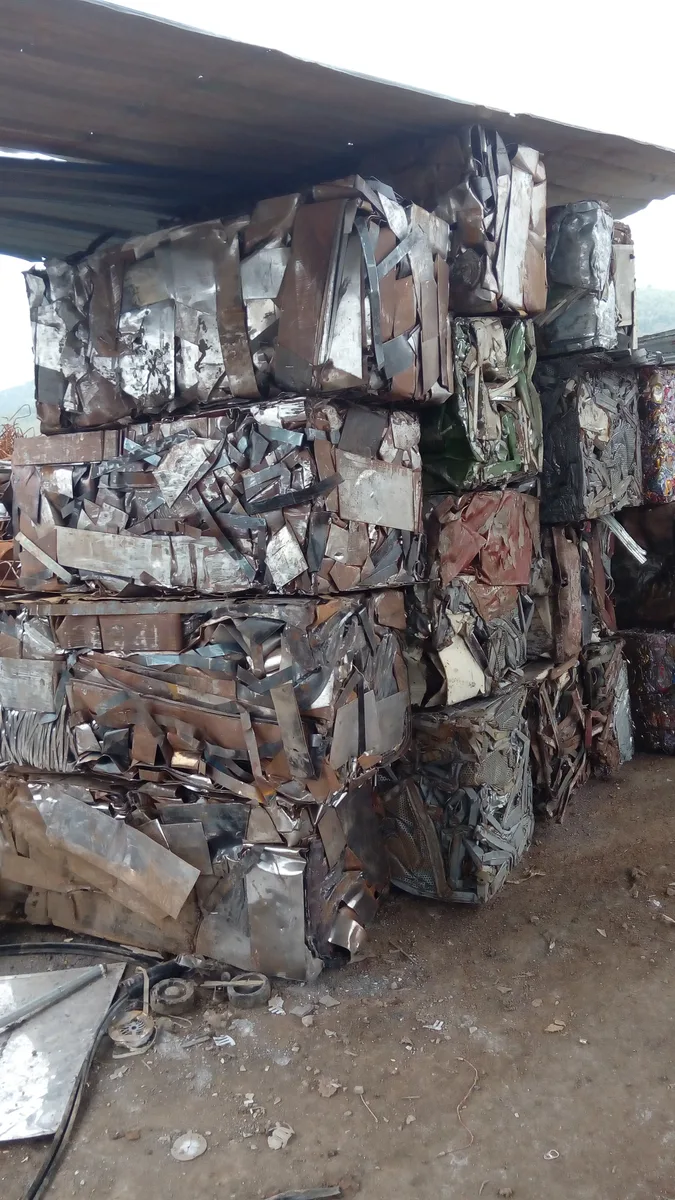
Plan the route from incoming scrap to outbound shipment with an HBF side turn-out metal baler. This application emphasizes finished-bale handling, storage layout, identification, and vehicle-loading preparation. Select the model-specific cross-section around the receiving operation and confirm bale length separately. Grabber or manual feeding must follow the approved operating procedure, while the discharge area needs a clear route to the next handling step. Discuss your lifting equipment, storage conditions, and transport requirements with the supplier before ordering; baling alone does not establish stacking limits, lifting safety, or load-securement compliance.
PRODUCT VIDEO
Side Turn-Out Metal Baler for Scrap Storage and Transport video
01 / PRODUCT DESCRIPTION
Plan the Outbound Scrap Route
Purpose, machine structure and its role in the recycling process.
Side Turn-Out Metal Baler for Scrap Storage and Transport
The Side Turn-Out Metal Baler for Scrap Storage and Transport is an HBF application for sites planning how finished scrap will move after compression. The useful starting point is the outbound route: discharge, pickup, temporary storage, identification, vehicle loading, and receiving-site unloading. Each step should have a defined method and an appropriate working area.
Baling can provide a more organized package for suitable scrap, but it does not establish a universal stacking height, lifting method, or transport loading pattern. Use the HBF side turn-out baler product reference alongside your handling plan. Ask the supplier for the selected machine’s actual dimensions and discharge requirements before fixing the position of racks, bays, barriers, or vehicle lanes.
02 / MATERIALS & OUTPUT
Prepare Traceable Scrap Batches
Suitable scrap materials, industries and operating scenarios.
Organize incoming material into batches that can remain identifiable after baling. Agree on the grade descriptions used by the receiving buyer and separate material where mixing would reduce traceability or acceptance. Document contamination concerns before processing rather than assuming a finished package conceals or resolves them.
Provide the supplier with representative scrap shapes and the proposed loading method. Irregular edges or pieces that project from a bale can complicate safe handling, so include them in the trial assessment. Remove batteries, pressurized containers, sealed vessels, and other prohibited items under the site’s sorting procedure. Keep oil, moisture, and nonmetal contamination within the requirements agreed with the receiving facility.
03 / STRUCTURE & FEATURES
Equipment features.
Features for Loading and Discharge
Operational advantages and configuration benefits for buyers.
Side turn-out discharge means the completed bale must leave an active machine area before normal storage or transport preparation begins. Keep the pickup location distinct from the incoming scrap queue, and confirm that the planned handling equipment can approach without entering an unsafe machine zone.
The source identifies grabber or manual feeding. Choose an approved loading method appropriate to the material and site risk assessment; manual feeding does not authorize reaching into the chamber or working close to moving parts. The three-ram listing is a machine configuration detail, not a statement of lifting capacity or finished-bale stability. Electrical frequency also needs confirmation for the installation site, even when transport and storage are the main purchasing concerns.
05 / TECHNICAL REFERENCE
Selected Handling Specifications
Key selection data and model-dependent specification ranges.
These selected attributes connect the machine quotation with the handling discussion. Ask the supplier to identify the actual supplied configuration and the dimensions needed for the site layout.
Feeding method: Grabber or manual loading, subject to the approved operating procedure.
Series bale cross-section range: 200 × 200 to 600 × 600 mm; model-specific cross-section, not bale length or an adjustment range.
Ram configuration: Three rams.
Bale discharge: Side turn-out.
Supply frequency: 50 Hz or 60 Hz; specify the site supply when ordering.
The series cross-section range does not describe bale length and does not imply freely adjustable cross-sections on one machine. Specify the receiving facility’s dimensional requirements separately, then confirm which model is proposed. Do not derive stacking or transport limits from a cross-section figure alone.
Storage, Transport, and Maintenance Guidance
Practical guidance for safe operation and routine maintenance.
Draw the finished-bale route before positioning the machine. Include the side discharge movement, lifting approach, turning room, inspection location, and storage bays. Separate vehicle traffic from pedestrian routes through the site’s approved traffic plan. Confirm floor condition and load suitability with the responsible qualified person rather than assuming the baler specification covers the whole yard.
During a trial, use the proposed handling equipment and observe the complete move from discharge to the planned storage position. Verify that the equipment is suitable for the actual load and that the bale remains secure during the approved movement. Record loose pieces, projections, or package deformation and resolve them before routine handling begins.
Set storage rules from the site risk assessment and the behavior of the actual bales. Do not stack by appearance alone. Keep grades and batch identification clear, protect access lanes, and inspect stored material for movement or deterioration. Where outdoor storage is proposed, consider drainage and contamination control with the responsible site personnel.
For transport, obtain the carrier’s loading and securement requirements and the receiver’s unloading instructions. Confirm actual shipment weights through an appropriate weighing process. Packaging, vehicle suitability, axle limits, and restraint remain separate checks. Maintain the machine’s discharge components according to the manual, and isolate it before clearing trapped material or inspecting wear. A reliable pickup area depends on both safe equipment and disciplined housekeeping.
The related turn-out case is a layout and workflow reference, not proof of a trial with your feedstock or this proposed configuration.
06 / SOLUTIONS & CUSTOMER CASES
Plan the complete process.
RELATED NEWS
News & buying guides
CUSTOMER CASES
Related project references
Each reference identifies its own equipment and project scope; it is not a test record for every material on this product page.

APPLICATIONS
Material preparation guides
These are related material guides. Follow each guide’s feedstock limits; a related material is not automatically approved for every machine configuration.
07 / QUESTIONS & SUPPORT
Product questions,
answered.
Storage and Transport Questions
Delivery scope, technical support and frequently asked questions.
Can finished bales be stacked immediately?
Stacking must follow the site’s approved assessment of the actual bales, floor, and handling method. No stacking height is specified here, and a rectangular shape alone does not establish stability.
Is a forklift always suitable for removal?
No universal handling method is specified. Select equipment and attachments for the actual load and package behavior, confirm the approved approach to the discharge area, and assess the method during a controlled trial.
Does the dimension range specify a shipping package?
No. It describes series cross-sections only. Confirm the selected model’s cross-section, bale length, actual shipment weight, and carrier requirements before deciding on the vehicle-loading arrangement.
Can baling replace transport restraints?
No. Vehicle loading and load securement require a separate plan that meets applicable requirements. Ask the carrier and receiving facility what they need rather than treating compression as a restraint system.
How can different scrap grades stay identifiable?
Keep grades separate during sorting and storage, then use a site-approved identification process linked to each batch. Confirm that the receiving buyer can use the same descriptions when accepting the shipment.
What should be checked around the discharge area?
Keep the full movement zone, pickup approach, and escape routes clear. Inspect the area for dropped scrap and obstructions, and stop the process when the planned removal method cannot be completed safely.
Equipment Recommendation
Tell Us About Your Material and Capacity
Share the key operating conditions below so our team can compare suitable equipment and prepare a practical configuration.