
Metal Balers
Side Turn-Out Metal Baler for Scrap Volume Reduction
Evaluate usable space, material movement, and the complete working area.
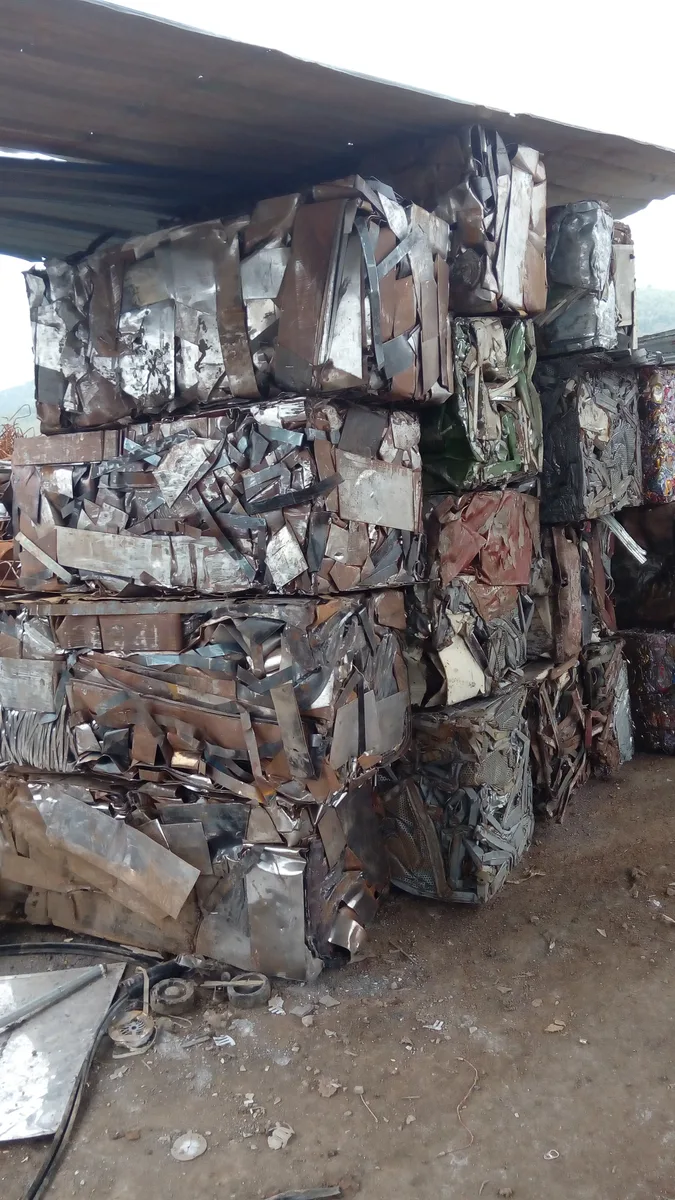
Assess scrap volume reduction as a complete material-handling process with an HBF side turn-out metal baler. This application focuses on incoming scrap organization, loading space, finished-bale removal, and practical before-and-after measurements. Use the same material and measurement method when evaluating a trial, and account for staging areas as well as the machine footprint. PLC or manual control can be configured to suit the agreed operating process. The final selection should reflect your scrap stream, site electrical supply, and available handling resources without relying on an unverified compression ratio.
PRODUCT VIDEO
Side Turn-Out Metal Baler for Scrap Volume Reduction video
01 / PRODUCT DESCRIPTION
Evaluate the Complete Scrap Flow
Purpose, machine structure and its role in the recycling process.
Side Turn-Out Metal Baler for Scrap Volume Reduction
Scrap volume reduction starts with understanding where loose material occupies space and why it remains there. The Side Turn-Out Metal Baler for Scrap Volume Reduction is an HBF application for sites evaluating a change from loose storage to baled handling. A useful assessment includes the receiving area, sorting point, machine loading position, discharge zone, and finished-bale staging space.
Baling is intended to consolidate suitable scrap, but this page does not promise a compression ratio or a particular reduction in occupied floor area. Compare the proposed arrangement with your existing flow. The HBF side turn-out baler overview provides the product-family reference; the application decision should come from site planning and a trial with representative material.
02 / MATERIALS & OUTPUT
Sorting the Incoming Scrap Stream
Suitable scrap materials, industries and operating scenarios.
Separate the scrap streams that occupy the most space and describe them individually. Light offcuts and irregular pieces may present a different loading problem from compact, nested material. Provide photographs and dimensions where useful, then obtain confirmation that each proposed material is suitable for the selected machine.
Measure a trial batch before adding unrelated scrap to it. Keep the grade and contamination condition consistent between comparisons. Remove hazardous items through the site’s approved sorting process, including batteries and sealed or pressurized containers. If incoming material is wet, oily, or mixed with nonmetal items, disclose that condition before equipment selection. Baling does not replace cleaning, grading, or the receiving buyer’s quality checks.
03 / STRUCTURE & FEATURES
Equipment features.
Features for a Defined Working Process
Operational advantages and configuration benefits for buyers.
Side turn-out discharge makes the side of the machine an active handling area. Plan how each completed bale leaves that area before deciding where incoming scrap will wait. A layout that reduces loose piles but obstructs bale removal can simply move the bottleneck to a different part of the yard.
PLC or manual control is a configuration choice to confirm with the supplier. Identify who loads the machine, who initiates the approved sequence, and who manages discharge clearance. A PLC selection does not establish automatic feeding or unattended operation. The horizontal layout also needs to be considered alongside access routes, safe standing positions, and maintenance clearance rather than evaluated from a footprint drawing alone.
05 / TECHNICAL REFERENCE
Selected Configuration Details
Key selection data and model-dependent specification ranges.
Use the following attributes to frame the technical discussion. Electrical compatibility requires more than choosing a frequency: the supplier must review the full site supply and the final machine configuration.
Bale discharge: Side turn-out.
Control configuration: PLC or manual control, configured to order.
Supply frequency: 50 Hz or 60 Hz; specify the site supply when ordering.
Electrical supply phase: Three-phase.
Machine layout: Horizontal.
Ask the quotation to name the control arrangement and identify any required site work. Do not treat a choice between control options as an assurance about labor requirements or cycle performance. Those questions need a defined material stream, loading method, and operating procedure.
Measure, Operate, and Maintain
Practical guidance for safe operation and routine maintenance.
Map the existing process first. Mark where scrap arrives, how it is sorted, how containers are exchanged, and where vehicles wait. Then draw the proposed baling process using the same boundaries. Include access aisles and the safe working areas required by the supplier; do not count them as storage space recovered by the machine.
For a fair trial, identify a batch and measure its loose volume using a documented method. After processing, record the space occupied by its bales using a consistent method, including any necessary gaps or supports. Record the material description and observed handling issues. Avoid combining a loosely estimated incoming pile with a tightly measured finished package and calling the result a guaranteed compression ratio.
During operation, prevent an oversized incoming queue from crowding the loading position. Keep finished bales moving through the agreed route and pause the process if the discharge area is obstructed. Use the approved procedure for any jam or interruption; never improvise by entering a danger zone while the system remains energized.
Maintenance planning should protect the material flow as well as the machine. Schedule inspections when loading and collection equipment can be kept clear. Follow the manual for hydraulic, electrical, and mechanical checks. Track recurring interruptions with their feed conditions so maintenance staff can distinguish machine faults from sorting problems or inconsistent loading.
The related turn-out case is a layout and workflow reference, not proof of a trial with your feedstock or this proposed configuration.
06 / SOLUTIONS & CUSTOMER CASES
Plan the complete process.
RELATED NEWS
News & buying guides
CUSTOMER CASES
Related project references
Each reference identifies its own equipment and project scope; it is not a test record for every material on this product page.

APPLICATIONS
Material preparation guides
These are related material guides. Follow each guide’s feedstock limits; a related material is not automatically approved for every machine configuration.
07 / QUESTIONS & SUPPORT
Product questions,
answered.
Volume Reduction Questions
Delivery scope, technical support and frequently asked questions.
What compression ratio can this baler guarantee?
No compression ratio is specified here. Compare representative material before and after a trial using one documented measurement method, and ask the supplier to state any agreed performance criteria separately.
Will baling always free the same amount of floor space?
No. Usable space depends on incoming material, finished-bale storage rules, handling lanes, and discharge clearance. Assess the complete layout rather than comparing only a loose pile with one finished bale.
Does PLC control remove the need for an operator?
No unattended-operation claim is made. Agree on the control configuration and staffing procedure with the supplier, including loading, supervision, and keeping the discharge zone clear.
How should I compare two trial results?
Use comparable material batches, the same volume-measurement approach, and consistent storage boundaries. Record contamination and piece geometry so differences can be explained rather than attributed entirely to the machine.
Can the machine be placed against a storage rack?
Only a reviewed layout can answer that. The side discharge movement, inspection access, and safe routes must remain clear. Obtain the required clearances before fixing rack or container positions.
What information helps select the right configuration?
Share the material description, incoming handling method, current storage problem, proposed layout, and site electrical information. Identify where finished bales go next so the quotation addresses the whole process.
Equipment Recommendation
Tell Us About Your Material and Capacity
Share the key operating conditions below so our team can compare suitable equipment and prepare a practical configuration.