
Metal Balers
Side Turn-Out Scrap Metal Baler for Rectangular Bales
Choose bale geometry around the receiving process and handling method.
Prepare metal scrap for handling with an HBF side turn-out baler selected around the rectangular bale your receiving operation needs. This product page focuses on cross-section selection, bale-length confirmation, discharge clearance, and acceptance checks for finished bundles. The published series dimension range describes cross-sections across models, rather than adjustable dimensions on every machine. Discuss your scrap samples, handling equipment, and receiving specification before choosing a configuration. Optional equipment must be identified in the quotation, and representative material trials should establish the shape and handling behavior required for your application.
PRODUCT VIDEO
Side Turn-Out Scrap Metal Baler for Rectangular Bales video
01 / PRODUCT DESCRIPTION
Rectangular Bale Planning
Purpose, machine structure and its role in the recycling process.
Side Turn-Out Scrap Metal Baler for Rectangular Bales
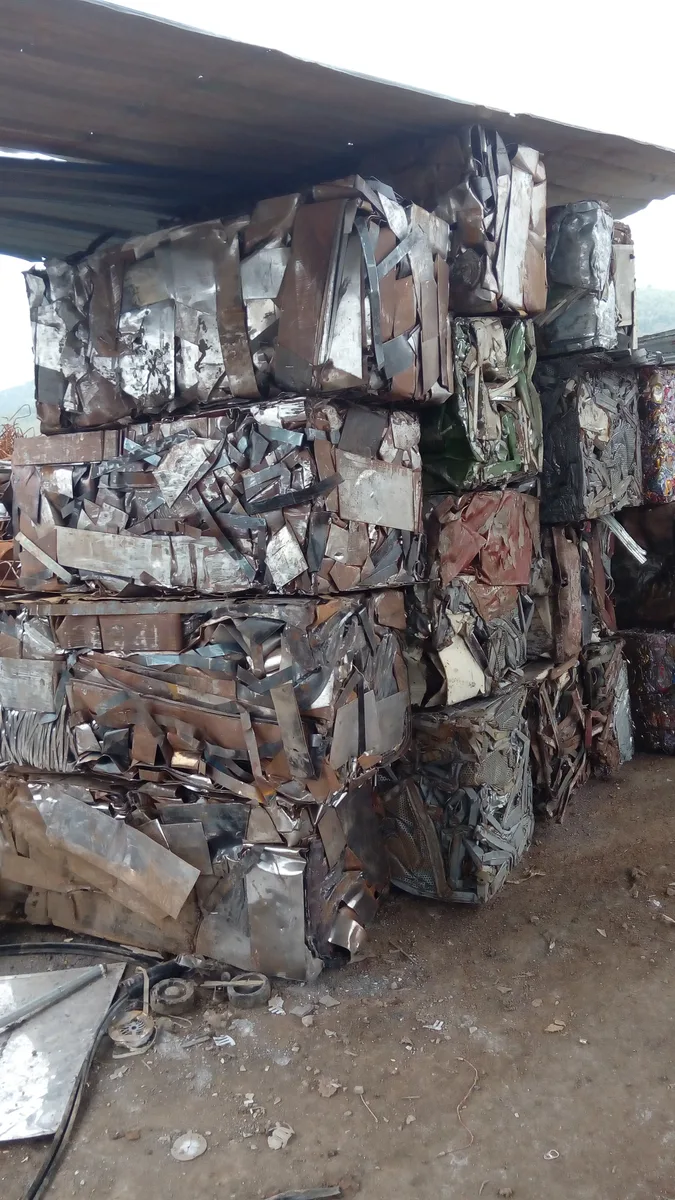
A rectangular bale is useful only when its dimensions and handling behavior suit the next process. The Side Turn-Out Scrap Metal Baler for Rectangular Bales is an HBF series selection for buyers who need to define that finished package before ordering equipment. Start with the receiving facility’s written requirements, then work backward through storage space, lifting equipment, and the available discharge area.
Specify cross-section and length separately. A square cross-section can form part of a rectangular package, but a cross-section figure alone cannot describe the complete bale. Compare this application with the HBF side turn-out scrap metal baler and request a model-specific drawing. Record which dimensions are nominal, how they will be checked, and what variation the buyer can accept.
02 / MATERIALS & OUTPUT
Material Preparation for Consistent Shape
Suitable scrap materials, industries and operating scenarios.
Provide representative samples of the scrap you actually intend to bale. Describe the mix of thin sheet offcuts, light stampings, and other proposed material without assuming that one successful sample validates every future load. The supplier should confirm acceptance of the material, its dimensions, and its condition.
Keep grades separate where the receiving specification requires it. Long strips, uneven pieces, and loose fines can influence loading and the condition of exposed bale faces, so flag them during evaluation. Remove batteries, sealed containers, and pressurized items through the site’s approved sorting procedure. Identify oil, moisture, and other contamination before a trial rather than hiding unusual material inside an otherwise clean sample.
03 / STRUCTURE & FEATURES
Equipment features.
Features for Geometry and Handling
Operational advantages and configuration benefits for buyers.
The horizontal machine layout and side turn-out discharge should be considered together when drawing the work area. Allow room for the full discharge movement and for the next handling operation. Do not position a waiting container, pallet, or forklift where it can interfere with the machine or block an operator’s safe route.
The listed three-ram configuration describes the machine arrangement, not a promise about the finished bale’s rigidity. Scrap composition and loading practice still need evaluation. If remote control is requested, agree on the operator’s permitted position, line of sight, and safe control procedure with the supplier. Its optional status means it must be listed explicitly rather than assumed to be included.
05 / TECHNICAL REFERENCE
Selected Machine Specifications
Key selection data and model-dependent specification ranges.
These selected attributes provide a starting point for the quotation. Confirm the final model and electrical configuration against the site information before issuing an order.
Remote control: Optional; confirm inclusion in the quotation.
Machine layout: Horizontal.
Series bale cross-section range: 200 × 200 to 600 × 600 mm; model-specific cross-section, not bale length or an adjustment range.
Supply frequency: 50 Hz or 60 Hz; specify the site supply when ordering.
Ram configuration: Three rams.
The cross-section range covers different configurations in the series. It does not specify bale length, establish dimensional tolerances, or mean one machine changes freely between all listed sizes. Ask the supplier to identify the actual cross-section supplied, the method for determining bale length, and the measurement procedure used during acceptance.
Selection, Operation, and Maintenance
Practical guidance for safe operation and routine maintenance.
Begin selection with a dimension checklist: required cross-section, acceptable length, handling orientation, and any receiving-facility restrictions. Give the supplier the dimensions of the available area and the intended removal equipment. Request confirmation that the proposed machine, the discharge movement, and the handling route can coexist without overlapping restricted zones.
During a representative trial, check several finished bales rather than judging the first one by appearance. Measure the requested faces using the agreed method, inspect corners for projecting scrap, and assess whether the bundle stays together through the planned lifting and set-down sequence. Use appropriate equipment and an approved test area. Record the feed composition alongside the result so the observations remain meaningful.
For daily operation, follow the supplied loading sequence and keep people clear of both the compression chamber and discharge path. Operators should never reposition material by reaching into a danger zone. Stop and isolate the machine before addressing trapped scrap or inspecting surfaces inside the chamber.
Include the discharge mechanism and accessible bale-contact surfaces in scheduled inspections. Look for abnormal wear, damage, loose fasteners, and changes in movement, using the manufacturer’s limits and service instructions. If bale shape changes, compare material preparation and loading practice before assuming the machine requires adjustment. Only authorized personnel should alter the approved settings.
The related turn-out case is a layout and workflow reference, not proof of a trial with your feedstock or this proposed configuration.
06 / SOLUTIONS & CUSTOMER CASES
Plan the complete process.
RELATED NEWS
News & buying guides
CUSTOMER CASES
Related project references
Each reference identifies its own equipment and project scope; it is not a test record for every material on this product page.

APPLICATIONS
Material preparation guides
These are related material guides. Follow each guide’s feedstock limits; a related material is not automatically approved for every machine configuration.
07 / QUESTIONS & SUPPORT
Product questions,
answered.
Rectangular Bale Questions
Delivery scope, technical support and frequently asked questions.
Does the stated dimension range include bale length?
No. The published range describes series cross-sections. Obtain the proposed model’s full bale specification and confirm length separately before matching the equipment to a buyer’s receiving limits.
Can one machine produce every cross-section in the range?
That is not established by the series range. Ask the supplier which cross-section is supplied on the selected machine and whether any alternative requires different equipment or a specific configuration.
Will every bale have perfectly flat faces?
No flatness guarantee is stated. Material shape, preparation, and the operating procedure affect the finished package. Agree on practical acceptance criteria and assess representative samples during the trial.
Is remote operation included as standard?
Remote control is optional. Confirm its inclusion and the permitted operating arrangement in the quotation. It does not remove the need for guarded areas, operator visibility, or safe discharge clearance.
What should the receiving facility confirm first?
Ask for its accepted bale dimensions, scrap grades, contamination limits, and unloading method. Those requirements are more useful for selecting the configuration than a request for rectangular bales without a written specification.
How should an irregular bale be investigated?
Record the feed mix and loading sequence, then inspect the machine only after safe isolation. Compare the result with the agreed acceptance sample and involve the supplier before changing machine settings.
Equipment Recommendation
Tell Us About Your Material and Capacity
Share the key operating conditions below so our team can compare suitable equipment and prepare a practical configuration.