
Metal Balers
Twin Main Cylinder Baler for Scrap Metal
HBK scrap baling with representative material and bale assessment
HBK horizontal hydraulic baler with twin main cylinders and grab-out collection for prepared steel sheet and plate offcuts. Define the material and bale requirements together.
PRODUCT VIDEO
Twin Main Cylinder Baler for Scrap Metal video
01 / PRODUCT DESCRIPTION
Define a representative HBK baling application
Connect the actual scrap stream with the required bale condition.
Define a representative HBK baling application
HBK family guidance for prepared steel sheet and plate offcuts. Confirm the selected machine and application before ordering.
The HBK twin-main-cylinder baler for scrap metal uses horizontal hydraulic compression and grab-out bale collection. This page covers prepared steel sheet and plate offcuts. Its selection focus is defining a representative application: what the site will load during normal production, what the receiving operation expects from the bale, and which handling arrangements are available around the machine.
HBK identifies a product family rather than one fixed numerical specification. A clear application record allows the selected configuration to be reviewed against consistent material information. Keep the agreed feed description, preparation method and bale requirements together, so later questions about a different scrap batch can be compared with the original basis for selection.
02 / MATERIALS & OUTPUT
Prepared steel sheet and plate offcuts
Describe normal variation and the preparation already performed.
Describe the range of offcuts rather than relying on a single loose-pile photograph. Include grade where known, thickness, maximum piece dimensions and the presence of flat, curled or nested sheets. Identify coatings or contamination requiring review and explain any sorting or cutting already performed upstream. Record normal material separately from occasional pieces that need another preparation route.
The light-gauge ferrous scrap guide provides related preparation guidance. A broad description such as metal scrap does not approve every form, alloy or thickness for the selected machine. Keep the scope of this application tied to the prepared steel sheet and plate offcuts under review.
03 / STRUCTURE & FEATURES
Equipment features.
Twin cylinders and the selected configuration
Confirm architecture, controls and supply responsibilities.
Twin main cylinders identify the HBK compression arrangement, while hydraulic drive and grab-out collection describe other parts of the family layout. Confirm the selected chamber, controls and interfaces together. The title does not establish that loading equipment, a collection crane or an integrated production line is included. Define supply responsibilities alongside the proposed site equipment before finalizing the arrangement.
04 / WORKING PRINCIPLE
Material assessment and operating sequence
Record material conditions and coordinate safe bale collection.
Begin with material acceptance and the agreed preparation steps. Load using the approved method, operate compression under the selected controls, and collect the bale with the specified grab-out arrangement. During an application assessment, record the feed condition and finished-bale observations together. This makes it easier to distinguish a change in material from a difference in handling practice or available collection time.
Follow the selected machine instructions and the site operating procedure. Keep personnel clear of the chamber and moving equipment. Fault investigation, servicing and blockage removal require authorized isolation of all energy sources. Do not improvise a way to push unsuitable pieces into the chamber or enter it while the equipment can operate.
05 / TECHNICAL REFERENCE
HBK specifications and selection
Source-backed attributes require application-specific confirmation.
| Mechanical attribute | HBK series reference / option |
|---|---|
| Bale discharge | Grab-out |
| Wear plate replacement | Interchangeable |
| Bale shape reference | Square / cube; confirm selected dimensions |
| Control options | PLC automatic or manual control, according to configuration |
| Motor voltage | Customized; confirm site supply and selected model |
| Construction steel | Q235B; machine construction steel |
The parameter table will contain selected source-backed HBK series attributes. Confirm the final configuration against the prepared offcuts, utilities, working arrangement and required bale condition. Equipment and material images are references, not measured HBK production tests. Numerical ratings and material limits require a consistent selected specification rather than values assembled from unrelated source ranges.
06 / SOLUTIONS & CUSTOMER CASES
Plan the complete process.
RELATED NEWS
News & buying guides
Scrap Metal Baler Throughput: How to Plan Real Production
Plan baler capacity around saleable output per working hour, including loading and discharge. A nominal press cycle is only one part of the production picture.
Read details ↗Buying a Scrap Metal Baler: What to Include in Your RFQ
A useful scrap metal baler quotation starts with representative scrap, the buyer’s bale specification and a complete handling plan. Use this checklist to compare proposals on the same basis.
Read details ↗APPLICATIONS
Material preparation guides
These are related material guides. Follow each guide’s feedstock limits; a related material is not automatically approved for every machine configuration.
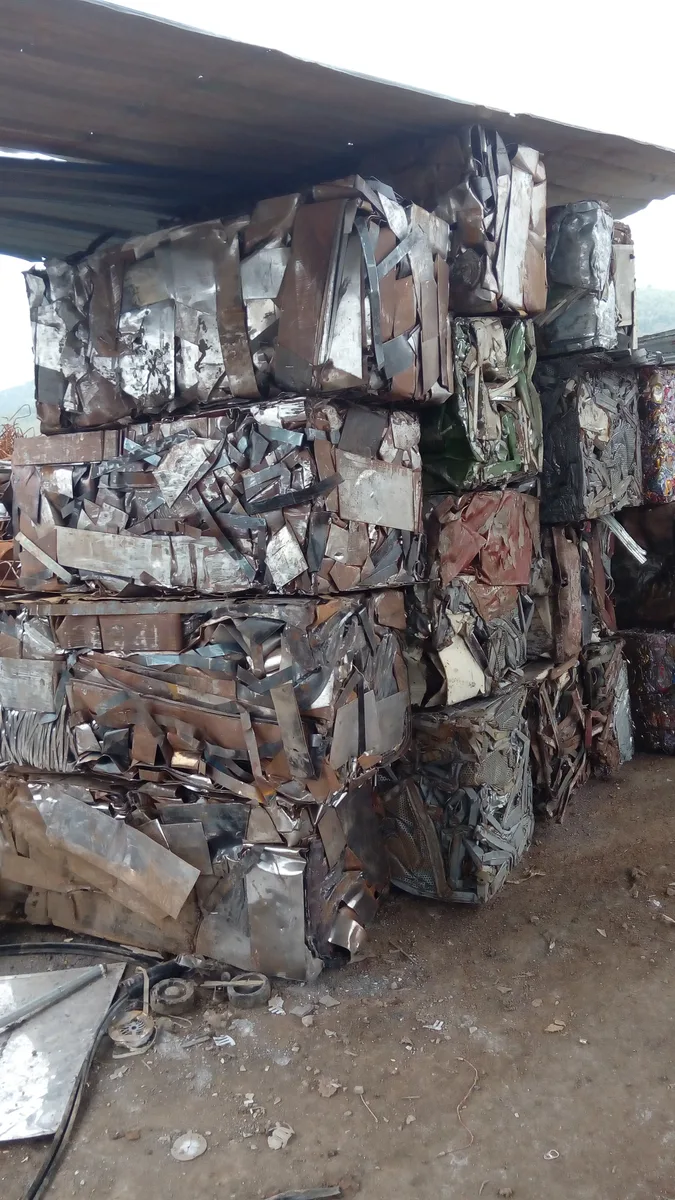
Light-Gauge Ferrous Scrap Baling
Practical sorting, preparation and equipment-selection guidance for light-gauge ferrous scrap, supported by representative material photos.
Read application guide ↗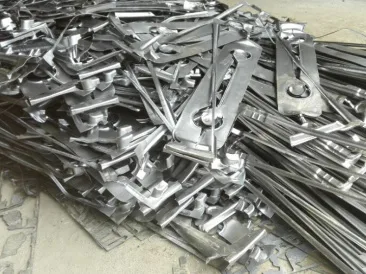
Stamping Steel Scrap Baling & Recycling
Practical sorting, preparation and equipment-selection guidance for stamping steel scrap, supported by representative material photos.
Read application guide ↗07 / QUESTIONS & SUPPORT
Product questions,
answered.
HBK material and bale assessment questions
Six answers for building a useful selection record.
How should I describe scrap that varies between production jobs?
Record the usual range of sheet and plate offcuts, including the largest regularly occurring pieces and changes in thickness or shape. Identify which materials are proposed for combined processing and which will remain separate. Keep the description tied to the prepared feed, rather than treating a broad scrap category as an approved specification.
What should a representative material assessment include?
Use the material forms normally presented for loading and record any preparation performed beforehand. Include the expected variation instead of selecting only convenient pieces. The stamping steel scrap guide offers related preparation context, but a material assessment must still address the selected HBK configuration and the intended bale condition.
Does twin-main-cylinder wording identify a separate model?
No. It describes the HBK family compression architecture. The title alone does not specify a distinct chamber, control package or numerical rating. Confirm those items in a coherent selected specification and identify the loading and grab-out collection arrangements that will be used with the machine.
How can bale acceptance be agreed before ordering?
Ask the receiving recycler and the site handling team to define the required bale dimensions, condition and collection method. Record those requirements alongside the proposed feed. The scrap metal baler quotation checklist helps organize this information so the comparison concerns usable bales and a suitable working arrangement, rather than appearance alone.
How should production observations be compared?
Use the same definition of accepted output and state the elapsed working period and material conditions. Include normal loading and bale collection, and record interruptions separately. The baler throughput planning guide explains why a result from a selected batch or an isolated compression cycle should not be treated as a universal production rate.
What should happen when a new material source is introduced?
Compare its grade, thickness, dimensions and condition with the feed already reviewed. Keep unfamiliar material separate until suitability is confirmed. If preparation or bale requirements have changed, contact Dershan with representative photographs and the revised description before treating the new source as equivalent to the existing application.
Equipment Recommendation
Tell Us About Your Material and Capacity
Share the key operating conditions below so our team can compare suitable equipment and prepare a practical configuration.