
Metal Balers
Twin Main Cylinder Scrap Metal Baling Press
HBK baling press guidance for changing steel offcut streams
HBK horizontal hydraulic baler with twin main cylinders and grab-out collection for prepared steel sheet and plate offcuts. Manage variation in the prepared scrap stream.
PRODUCT VIDEO
Twin Main Cylinder Scrap Metal Baling Press video
01 / PRODUCT DESCRIPTION
Manage variation in the prepared scrap stream
HBK baling press guidance for changing steel offcut streams
Manage variation in the prepared scrap stream
HBK family guidance for prepared steel sheet and plate offcuts. Confirm the selected machine and application before ordering.
The HBK twin main cylinder scrap metal baling press combines horizontal hydraulic compression with grab-out bale collection. This application covers prepared steel sheet and plate offcuts. When the incoming scrap changes between production jobs, equipment selection should describe that variation rather than relying on a single convenient sample. The useful question is whether the proposed configuration suits the material that will regularly arrive at the loading position.
Create a feed record that separates normal production material from exceptions. Keep its dimensions, preparation method and required bale condition together. This gives the supplier and site team a practical basis for reviewing a new batch without assuming that every material described as steel scrap behaves alike.
02 / MATERIALS & OUTPUT
Prepared steel sheet and plate offcuts
Define the proposed feed and preparation before selection.
Record the range of thicknesses and piece dimensions, including the largest regularly occurring offcuts. Note differences between flat sheets, curled strips and nested shapes. Identify coatings or contamination requiring assessment and describe upstream sorting or cutting. Where streams will be combined, explain the proposed combination rather than presenting separate photographs as proof that the mixture is suitable.
The light-gauge ferrous scrap guide offers related preparation information. Its general guidance does not remove the need to assess the selected HBK configuration. Keep unfamiliar or out-of-scope material separate until the responsible parties have confirmed how it should be handled.
03 / STRUCTURE & FEATURES
Equipment features.
HBK architecture and selected configuration
Confirm the equipment scope and application interfaces.
Twin main cylinders identify the compression arrangement. They do not automatically compensate for every change in feed shape or loading practice. Review the selected chamber, controls and grab-out collection method against the documented material range. State how the feed will be presented and which handling equipment will be used.
Equipment images illustrate the HBK family rather than a separate model for each scrap stream. A change in title or photograph does not establish a new capacity. Keep numerical ratings and chosen options in one coherent specification so material decisions are not based on values gathered from unrelated machines.
04 / WORKING PRINCIPLE
From prepared material to collected bale
Use the approved sequence and record relevant conditions.
Use the agreed material acceptance process before loading. Prepare the offcuts, apply the approved loading method, operate compression under the selected controls and collect the bale using the specified grab-out arrangement. Record any departure from normal material condition during an assessment, together with its effect on handling and the finished bale.
Changes should be reviewed before becoming routine practice. If a batch appears unsuitable, follow the site's procedure rather than forcing it into the chamber. Keep people clear of moving equipment. Inspection inside hazardous areas, blockage removal and servicing require authorized energy isolation and the machine-specific instructions; an informal production comparison is not a reason to bypass those controls.
05 / TECHNICAL REFERENCE
HBK series references and selection
Confirm a coherent selected specification for the application.
| Mechanical attribute | HBK series reference / option |
|---|---|
| Control options | PLC automatic or manual control, according to configuration |
| Bale discharge | Grab-out |
| Motor voltage | Customized; confirm site supply and selected model |
| Wear-plate material options | NM450 or Hardox450, according to configuration |
| Layout | Horizontal |
| Construction steel | Q235B; machine construction steel |
The following attributes are HBK series references or configuration options, not a separately verified fixed model. Confirm the selected specification against the prepared material, available utilities, loading method and grab-out collection arrangement. Numerical ratings and material limits require application-specific confirmation. Construction materials describe the machine itself, not permissible scrap thickness or grade.
06 / SOLUTIONS & CUSTOMER CASES
Plan the complete process.
RELATED NEWS
News & buying guides
Scrap Metal Baler Throughput: How to Plan Real Production
Plan baler capacity around saleable output per working hour, including loading and discharge. A nominal press cycle is only one part of the production picture.
Read details ↗Buying a Scrap Metal Baler: What to Include in Your RFQ
A useful scrap metal baler quotation starts with representative scrap, the buyer’s bale specification and a complete handling plan. Use this checklist to compare proposals on the same basis.
Read details ↗APPLICATIONS
Material preparation guides
These are related material guides. Follow each guide’s feedstock limits; a related material is not automatically approved for every machine configuration.
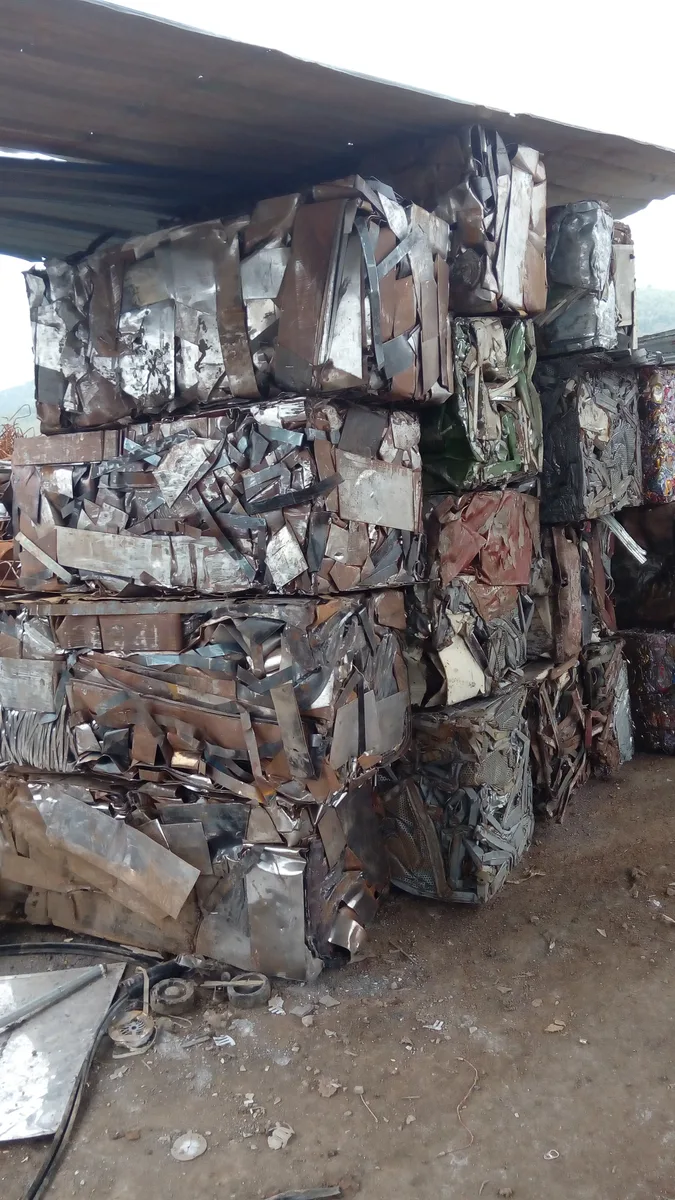
Light-Gauge Ferrous Scrap Baling
Practical sorting, preparation and equipment-selection guidance for light-gauge ferrous scrap, supported by representative material photos.
Read application guide ↗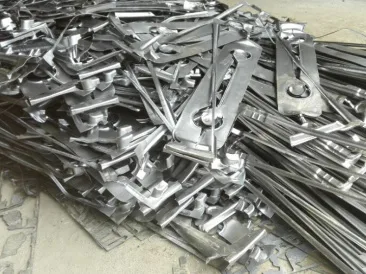
Stamping Steel Scrap Baling & Recycling
Practical sorting, preparation and equipment-selection guidance for stamping steel scrap, supported by representative material photos.
Read application guide ↗07 / QUESTIONS & SUPPORT
Product questions,
answered.
HBK application questions
Six practical questions for the selection discussion.
How should a variable feed be described?
Provide the usual range of thickness, piece dimensions and forms, then identify unusual material separately. State what preparation is already performed. A representative description includes ordinary variation rather than only the smallest or easiest pieces, and it should remain tied to the material actually proposed for loading.
Can stamping remnants be grouped with flat offcuts?
Explain the proposed grouping and its preparation for application review. Shape and nesting may change how material is presented, even when the grade is similar. The stamping scrap guide gives context, but it does not establish approval for every mixture or selected machine.
What should be recorded during an assessment?
Record the material source, preparation, loading method, elapsed working period and finished-bale observations. Note interruptions and material exceptions separately. This allows a later comparison to distinguish changes in feed from changes in handling practice instead of attributing every difference to the compression equipment.
Can I compare only the number of completed cycles?
Cycle counts alone do not establish usable output under normal conditions. Define accepted bales and the full working period, including loading and collection. The production planning guide explains how to make observations meaningful without treating one selected batch as a universal rating.
Does the video approve all metal scrap?
No. The supplied HBK video is used within the prepared steel sheet and plate scope. It does not validate other materials, maximum thickness or numerical output. A visual example and the broader wording of a title cannot replace application-specific confirmation for the feed proposed by the buyer.
When should the supplier be consulted again?
Seek review when the material grade, dimensions, thickness, condition, preparation or required bale condition changes from the agreed basis. Contact Dershan with the revised description and representative photographs. Preserve the original selection record so the difference can be assessed clearly before the new feed is treated as routine.
Equipment Recommendation
Tell Us About Your Material and Capacity
Share the key operating conditions below so our team can compare suitable equipment and prepare a practical configuration.