
Metal Balers
Front-Out HBQ Baler for Aluminum Panel Edge Trimmings
Prepare narrow aluminum trim for controlled loading and forward bale collection
Plan a front-out baling workflow for prepared aluminum panel edge trimmings. Review strip length, coatings, loose-end control, loading arrangements and discharge clearance before selecting an HBQ configuration. This guide explains material preparation, machine options, operation, maintenance and practical acceptance checks for a cleaner collection route.
PRODUCT VIDEO
Front-Out HBQ Baler for Aluminum Panel Edge Trimmings video
01 / PRODUCT DESCRIPTION
Product Overview
Purpose, machine structure and its role in the recycling process.
Control the journey of narrow panel trim
Panel trimming can create long, light strips that behave differently from a bin of short sheet remnants. They can spring open, bridge a container or trail across a collection route. This Front-Out HBQ Baler for Aluminum Panel Edge Trimmings focuses on the transition from the panel-cutting station to a prepared baler load, with particular attention to strip length, loose ends and surface treatments.
The intended feed is reviewed aluminum trim, not complete composite panels or an unrestricted mix of construction waste. A machine selection should begin with photographs and dimensions of the actual strip forms. Describe whether the trim is straight, curled, folded or attached to protective film. Those details are more useful than describing the material simply as aluminum scrap.
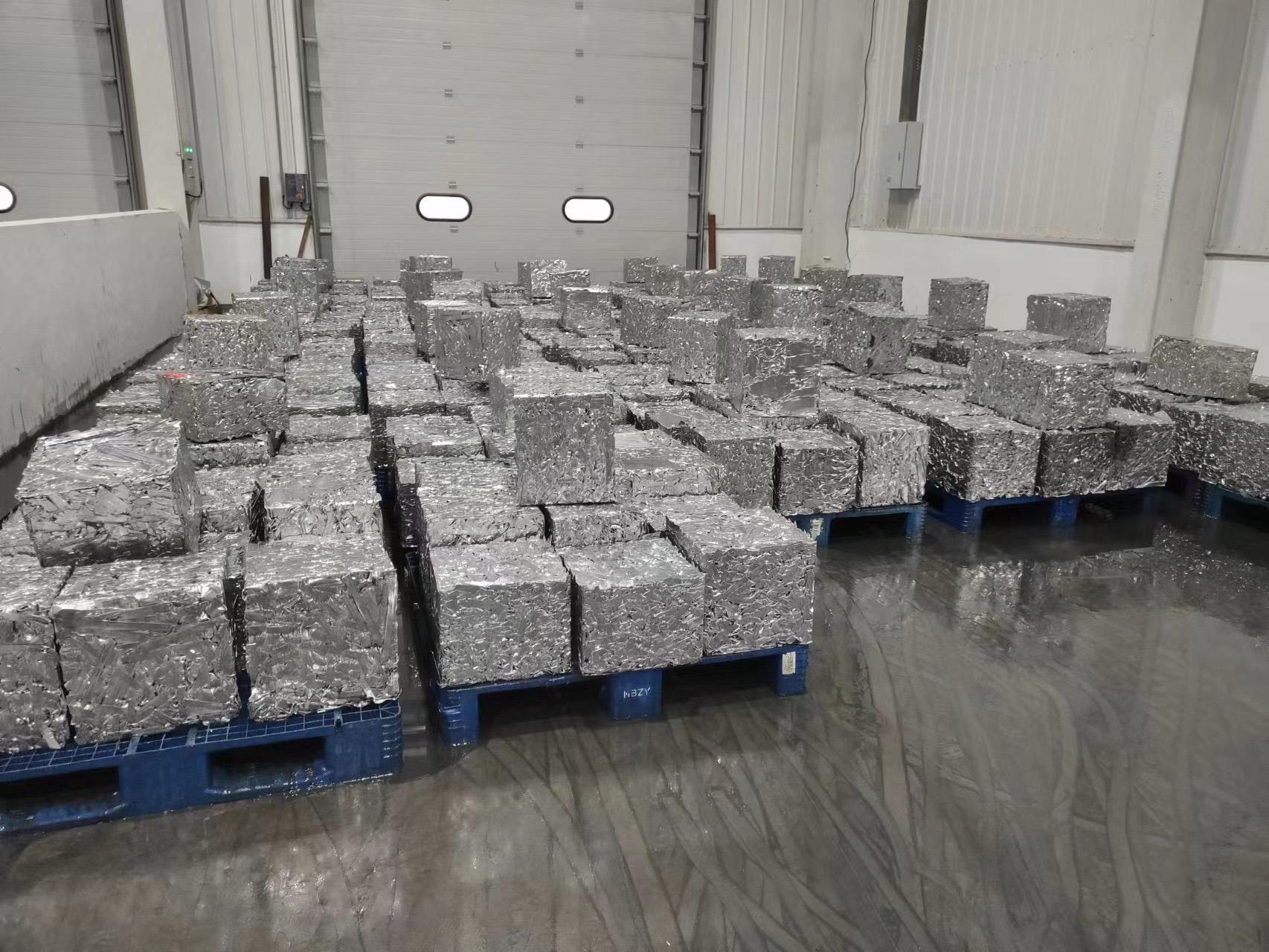
Compression brings suitable prepared scrap into a bale, and forward push-out discharge directs that bale toward the collection end. The installation needs enough space for both the incoming trim containers and the outgoing bale. Compare the HBQ series overview for the general machine arrangement.
02 / MATERIALS & OUTPUT
Applications & Materials
Suitable scrap materials, industries and operating scenarios.
Prepare strips without creating an uncontrolled feed
Separate aluminum trim from steel backing, fasteners, plastic cores and other attachments where required by the recycling specification. Painted sheet, adhesive-backed trim and laminated material require an explicit assessment. Baling does not separate composite layers or remove coatings, and clean-looking trim is not automatically suitable for the same recycling route as bare aluminum.
Record typical and longest lengths, strip widths, thicknesses and alloy identification. If sizing is required, agree a separate preparation method and safe working procedure with the appropriate equipment supplier. Do not assume the baler includes a cutting function, or that feeding a continuous strip directly from a production line is an approved arrangement.
Keep loose ends inside the designated containers and maintain clear walkways. Sharp edges and springing strips require a site-specific handling assessment. Operators must not push material into an operating chamber by hand or try to release a bridged strip while the machine is running.
03 / STRUCTURE & FEATURES
Equipment features.
Features & Benefits
Operational advantages and configuration benefits for buyers.
Advantages that depend on a well-prepared strip stream
A defined preparation stage can make the loading task more predictable by keeping overlong or connected pieces out of the approved feed. That benefit comes from the complete process, including inspection and any separately specified sizing equipment, rather than from an unsupported claim that the baler handles every strip length.
Forward discharge can provide a clear handover from compression to collection. Place the receiving position where a completed bale can be removed without crossing the trim-loading activity. Check the proposed arrangement using the site's actual collection equipment and turning space; discharge direction alone does not guarantee a safer or faster layout.
Keeping panel-trim batches separate can help preserve alloy and coating information requested by the recycling buyer. Use labels on incoming containers and finished output, and define what happens when the panel specification changes. The machine should not be presented as automatically identifying alloys or tracking batches unless those features are separately confirmed.
The supplied HBQ information includes alternative controls, wear materials and cooling arrangements. Match the selected options to the operating environment, service access and approved feed. Discuss inspection of chamber wear areas and hydraulic equipment with the supplier rather than inferring maintenance intervals from a general product description.
04 / WORKING PRINCIPLE
Operation & Maintenance
Practical guidance for safe operation and routine maintenance.
Demonstrate the difficult trim, not just the easiest sample
Send representative straight and curled pieces, photographs of their normal storage condition and a drawing of the route between the cutting station and the baler. Ask the supplier to review the longest approved piece and the preparation method. Include coated or filmed material only when that condition is part of the agreed assessment.
During acceptance, observe loading, compression, discharge and bale pickup as a complete sequence. Record the preparation applied, the actual configuration used and the finished bale's suitability for the agreed buyer requirements. A neat sample bale alone does not establish how the installation will handle trailing strip ends or changing panel specifications.
Train staff to follow the machine-specific operating and isolation instructions. Keep strip accumulations, hydraulic leaks and damaged wear surfaces within a documented inspection routine. Before clearing a jam or carrying out permitted maintenance, stop and isolate the machine using the prescribed procedure.
The Front-Out Baler Reference Video is a general equipment/process reference. It does not establish that the pictured machine tested your panel trim or represents the configuration quoted for your site.
Related front-discharge project references illustrate equipment layout and bale collection. They do not establish a trial of these panel trimmings or a guaranteed capacity for your configuration.
05 / TECHNICAL REFERENCE
Technical Parameters
Key selection data and model-dependent specification ranges.
Configuration reference
The six attributes below are selected from the supplied HBQ series information. Listed brands, cooling arrangements and controls are configuration choices rather than a promise that every machine includes them. Numeric ranges refer to the series, not to one adjustable machine. Confirm the exact model, electrical supply, loading arrangement and agreed acceptance conditions in the order specification.
| Attribute | Series reference / option |
|---|---|
| Electrical supply | Three-phase, according to installation specification |
| Listed cooling option | Fan cooling, where selected |
| Foundation reference | Level concrete ground; confirm installation drawing and foundation requirements |
| Series machine weight range | 2,820–18,500 kg; model dependent |
| Feeding alternatives | Grabber or manual, according to configuration |
| Listed pump configuration | JiangSu Hengyuan; confirm selected configuration |
06 / SOLUTIONS & CUSTOMER CASES
Plan the complete process.
RELATED NEWS
News & buying guides
CUSTOMER CASES
Related project references
Each reference identifies its own equipment and project scope; it is not a test record for every material on this product page.

APPLICATIONS
Material preparation guides
These are related material guides. Follow each guide’s feedstock limits; a related material is not automatically approved for every machine configuration.
07 / QUESTIONS & SUPPORT
Product questions,
answered.
Delivery, Service & FAQ
Delivery scope, technical support and frequently asked questions.
Frequently asked questions
Can continuous trim feed directly from a panel line?
Not without a separately reviewed integration. Describe strip length, connection to the production process and planned preparation before selecting a feed arrangement.
Can it process aluminum composite panel strips?
Do not assume so. Identify the core, coatings and attachments, and obtain a separate material and recycling-route assessment before including them.
Is this different from ordinary sheet offcuts?
The main issue is long, narrow geometry and loose-end control. For shorter flat remnants, compare the sheet-offcut workflow.
Does the machine cut the strips to length?
No cutting function is established by this description. Any required size preparation must be specified separately.
Which loading method should I choose?
Choose from the confirmed configuration using actual container sizes and prepared strip samples. A listed option is not proof of suitability for every load.
What should be checked before ordering?
Confirm approved material, preparation, configuration, collection clearance and buyer requirements. Use the HBQ overview as a starting point, not as a material-test certificate.
Equipment Recommendation
Tell Us About Your Material and Capacity
Share the key operating conditions below so our team can compare suitable equipment and prepare a practical configuration.