
Metal Balers
Front-Out HBQ Baler for Used Aluminum Beverage Cans
Front-out hydraulic baling for a prepared aluminum beverage-can stream
Plan an HBQ front-out baler for used aluminum beverage cans: feed preparation, collection space, configuration choices and practical purchase checks.
PRODUCT VIDEO
Front-Out HBQ Baler for Used Aluminum Beverage Cans video
01 / PRODUCT DESCRIPTION
Product Overview
Purpose, machine structure and its role in the recycling process.
Turn a loose can stream into a manageable collection process
A Front-Out HBQ Baler for Used Aluminum Beverage Cans is a procurement option for operations handling a segregated stream of empty beverage cans. Its purpose is to compress suitable loose material and discharge the formed bale toward the front collection area. The important purchasing question is not simply whether cans can be compressed. It is whether the proposed machine, loading method, working area and downstream buyer requirements fit the actual can stream arriving at your site.
Start with representative material rather than an ideal clean sample. Record how much of the delivery consists of aluminum beverage cans, how many cans are already flattened, whether steel containers appear in the mix and how moisture varies between batches. These observations help define the preparation work needed before loading. A front-out layout also needs a planned receiving zone where the bale can be collected without crossing the loading activity.
This page describes selection and operating considerations for the HBQ series, not a fixed machine quotation. The six listed attributes are drawn from the supplied series information. Model-specific capacity, bale dimensions and electrical requirements should be agreed from the selected configuration and a representative material assessment.
02 / MATERIALS & OUTPUT
Applications & Materials
Suitable scrap materials, industries and operating scenarios.
Prepare the cans before they reach the chamber
The intended feed is used aluminum beverage cans that have been emptied and separated from unsuitable waste. Establish an incoming inspection routine for mixed loads. Remove glass, stones, plastic bags, large plastic bottles and other contamination that could enter with collection bins. Do not treat every metal container as a beverage can: aerosols, gas cartridges, closed containers with unknown contents and contaminated packaging require separate assessment and must not be admitted as ordinary can feed.
Residual drink and wash water should be managed through the site's approved collection and housekeeping process. Neither baling nor visual inspection makes contaminated waste safe. Where the buyer requires a particular alloy stream or contamination limit, agree that specification before baling. Keep rejected material identifiable rather than repeatedly mixing it back into a usable batch.
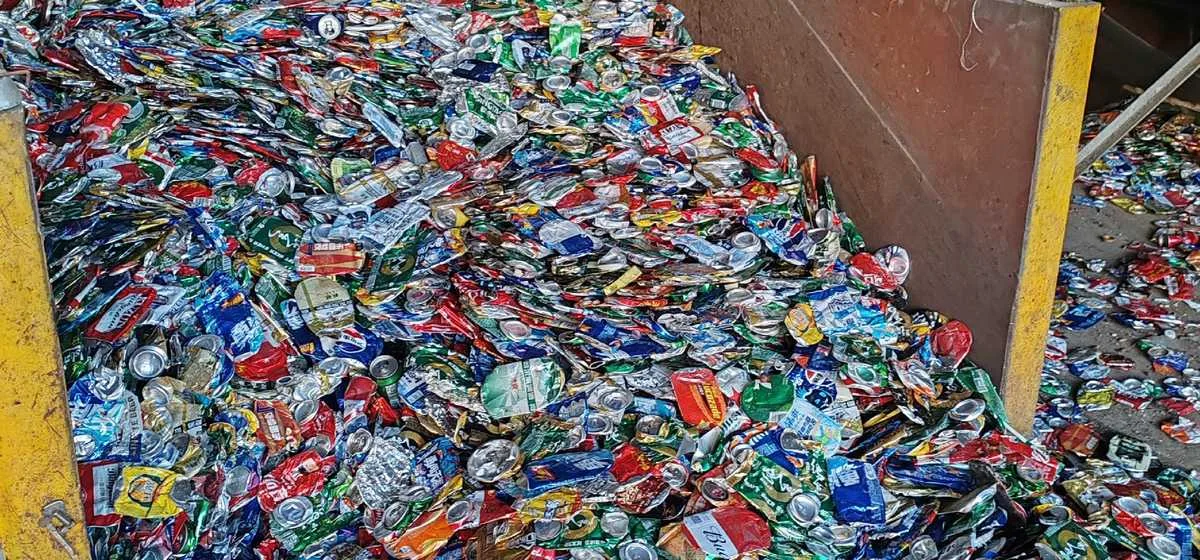
Use the material photographs as examples of loose cans, flattened cans and baled material. A pictured bale is not proof that a particular HBQ configuration produced that exact shape, weight or density. For acceptance planning, retain a sample and record the preparation method used during the demonstration.
03 / STRUCTURE & FEATURES
Equipment features.
Features & Benefits
Operational advantages and configuration benefits for buyers.
Advantages that depend on the right installation
A defined front collection direction. Forward discharge can help organize a dedicated bale receiving position. Its value depends on reserving enough space for the selected bale, handling equipment and safe access. It does not remove the need to separate people from moving equipment or to follow the supplier's operating instructions.
A layout suited to a planned material flow. Loose cans can be brought to a designated loading position while completed batches move toward the collection side. The benefit comes from arranging the whole work area, not from assuming that every available space will suit the machine. Check doorways, floor access and the route used to remove finished bales.
Configuration choices for a real workload. The supplied HBQ information lists hydraulic operation and alternative feeding and control arrangements. Select these against staffing, incoming batch size and handling equipment. Optional equipment should be itemized in the quotation; it should not be inferred from a reference photograph or a general series description.
Maintenance planning from the outset. Include inspection access, housekeeping and replacement-wear-part information in the purchase discussion. Accessible maintenance arrangements are useful only when the machine is isolated and serviced according to the manufacturer's procedures.
04 / WORKING PRINCIPLE
Operation & Maintenance
Practical guidance for safe operation and routine maintenance.
Specify, demonstrate and accept the complete workflow
Provide the supplier with photographs of incoming material, its typical contamination, the proposed loading method and a drawing of the installation area. Identify who will receive the bale and how it will be removed. During a demonstration, use material prepared in the same way as your normal batches and observe loading, compression, discharge and collection as a complete sequence.
Agree acceptance points in advance: usable material condition, the selected controls, access for routine inspection, the receiving arrangement and documentation supplied with the machine. Record the actual configuration used in the demonstration. An operating video alone is not a substitute for checking these items.
For routine operation, follow the machine-specific manual and training. Never enter the chamber or reach into a discharge area to release material. Stop and isolate the equipment using the prescribed procedure before cleaning, inspection or maintenance. Keep hydraulic leaks, unusual noise and damaged wear surfaces within a documented inspection and service routine.
Front-Out Baler Reference Video is the user-specified equipment/process reference. It is not evidence of this exact can feed, configuration or output. Compare the HBQ front-discharge series overview when preparing an inquiry.
The linked Australian 200-ton aluminum scrap case is a reference for a front-discharge collection layout, not a test of this HBQ configuration or beverage-can feed.
05 / TECHNICAL REFERENCE
Technical Parameters
Key selection data and model-dependent specification ranges.
Six HBQ series reference attributes
These are separately sourced series attributes, not a declaration that every HBQ machine has the same complete specification. Confirm the applicable model, options and supply configuration before ordering.
| Wear plate options | NM450 or Hardox450, according to configuration |
|---|---|
| Core components | Pump and motor |
| Baler arrangement | Three rams |
| Remote control | Optional |
| Drive | Hydraulic drive |
| Discharge | Forward push-out |
Do not derive throughput, finished bale weight or operating cost from this selection. Ask for configuration-specific information and a representative material demonstration when those values are important to the purchase.
06 / SOLUTIONS & CUSTOMER CASES
Plan the complete process.
RELATED NEWS
News & buying guides
Aluminum Can Baler Selection: Bale Size, Throughput and Feeding
Start with the cans you collect and the bales your buyer accepts. Connect daily volume, feeding, collection and transport before selecting a machine.
Read details ↗Front-Out vs. Side-Push Metal Balers: Which Fits Your Scrap Yard?
The direction a bale leaves the machine can shape your entire handling route. Compare front and side discharge before committing valuable yard space.
Read details ↗CUSTOMER CASES
Related project references
Each reference identifies its own equipment and project scope; it is not a test record for every material on this product page.

APPLICATIONS
Material preparation guides
These are related material guides. Follow each guide’s feedstock limits; a related material is not automatically approved for every machine configuration.
07 / QUESTIONS & SUPPORT
Product questions,
answered.
Delivery, Service & FAQ
Delivery scope, technical support and frequently asked questions.
Frequently asked questions
Can mixed recycling go straight into this baler?
No. Establish a suitable segregated can stream and remove contaminants before loading. Unknown containers and hazardous packaging need separate assessment.
Do cans need to be empty?
Use emptied cans and manage residual liquids through the site's approved process. Agree moisture and contamination requirements with the receiving buyer.
Does front-out discharge eliminate manual handling?
No. It defines the discharge direction. Collection equipment, staffing and the receiving space still need to be selected and organized.
Are the six attributes a complete machine specification?
No. They are supplied HBQ series reference attributes. Confirm the exact model, options, electrical supply and contractual specification before purchase.
Can I use the video as a performance guarantee?
No. It is a reference link. Obtain configuration-specific evidence using representative material if performance is part of your acceptance criteria.
What should I send with an inquiry?
Send material photographs, batch details, contamination information, loading preference, available space and the buyer's bale requirements. These support a more relevant configuration discussion.
Equipment Recommendation
Tell Us About Your Material and Capacity
Share the key operating conditions below so our team can compare suitable equipment and prepare a practical configuration.