
Metal Balers
Front-Out HBQ Metal Baler for Rectangular Scrap Bales
Define Bale Dimensions and the Receiving Interface
Specify the rectangular-section bale your receiving process needs before selecting an HBQ front-out configuration. Keep cross-section, length, material identity and handling requirements distinct. Confirm model-specific dimensions and representative acceptance results instead of inferring weight, density or universal adjustability from a photograph or series range.
PRODUCT VIDEO
Front-Out HBQ Metal Baler for Rectangular Scrap Bales video
01 / PRODUCT DESCRIPTION
Product Overview
Purpose, machine structure and its role in the recycling process.
Start with the receiving requirements for the bale
A rectangular scrap bale is a handling form, not a complete purchasing specification. The receiving buyer may need an agreed cross-section, length, mass, material identity and collection method. A Front-Out HBQ Metal Baler for Rectangular Scrap Bales should therefore be selected from those requirements together with the approved feed, rather than from a photograph of an attractive finished package.
The supplied HBQ information lists square or cube bale form and several series size references. These support a discussion of rectangular-section packages but do not establish one universal size or a machine adjustable across every listed range. Two-direction dimensions must not be read as a complete three-dimensional bale specification.
Front-out discharge directs the formed package toward the collection end. That interface matters because a bale must be received and moved within the available space. Review the HBQ family overview alongside the buyer's handling requirements and the selected model's actual dimensions.
02 / MATERIALS & OUTPUT
Applications & Materials
Suitable scrap materials, industries and operating scenarios.
Relate bale requirements to the approved scrap
Describe the material grade, shape, thickness or section dimensions and surface condition before discussing the required package. Prepared aluminum sheet, copper remnants and light steel offcuts do not produce interchangeable handling outcomes merely because they can be described as metal scrap.
Remove unsuitable attachments and contaminants under the agreed preparation procedure. Long pieces, connected skeletons or nested forms may need separate assessment before loading. Baling does not clean the metal or establish that a mixed batch meets the receiving buyer's grade requirement.
Ask how the buyer defines acceptance of the package. A cross-section may matter for a particular receiving process, while the collection equipment may have separate limits. Keep those requirements distinct and obtain confirmation of the proposed configuration instead of assuming a general size range satisfies both.
Material and bale photographs on this page are illustrative references. They do not show a matched test for every proposed feed. The dimensions, mass or density of a pictured bale cannot be established from its appearance, and no such performance promise is inferred here.
03 / STRUCTURE & FEATURES
Equipment features.
Features & Benefits
Operational advantages and configuration benefits for buyers.
Make the package specification measurable
A defined rectangular-section requirement can give the supplier and buyer a practical basis for comparing a proposed machine with the receiving process. Its usefulness depends on clear measurement points and agreed tolerances. The word rectangular alone does not specify a tolerance, surface finish or guaranteed shape retention.
Separate cross-section from length in the technical discussion. Where the reference sheet lists two dimensions, preserve that meaning. Do not add a third dimension or calculate a package volume unless the selected configuration and required length have been established. Likewise, do not combine endpoints from different series entries into one supposedly adjustable machine.
Front discharge provides a particular handover direction for the finished package. Verify how the proposed bale is supported and collected using the chosen installation and equipment. The available general information does not establish that every machine includes a conveyor, automatic stacker or universal forklift interface.
A clear specification also supports honest acceptance evidence. Record the approved feed and actual configuration used to make a sample, then compare the measured output with the agreed criteria. This is more useful than promising high density or a fixed bale weight without a material-specific basis.
04 / WORKING PRINCIPLE
Operation & Maintenance
Practical guidance for safe operation and routine maintenance.
Confirm dimensions, collection and evidence before ordering
Send the supplier the receiving buyer's requirements and explain which are mandatory. Include material samples, normal batch condition and the available collection space. Ask for the proposed model's size specification with clear labels showing what is fixed, optional or dependent on the selected configuration.
Resolve inconsistent or overlapping brochure ranges before they become an order assumption. The supplied reference includes several size and weight descriptions without a complete configuration map. Use the chosen model's confirmed specification rather than selecting a favorable endpoint at random. A different reference range is not proof that one machine can produce every combination.
During acceptance, observe the prepared feed through loading, compression, forward discharge and pickup. Record dimensions using the agreed method, identify the actual model and preserve the feed description with the result. Include the practical receiving arrangement so that the package is evaluated as something the site must handle, not only photograph.
Do not assume that a rectangular bale is safe to stack in any pattern or lift with any attachment. Use the site's assessed handling method and the relevant equipment instructions. Keep people clear of the discharge zone and follow the machine-specific isolation procedure before permitted intervention. The Front-Out Baler Reference Video is process context, not dimensional or load-capacity certification.
05 / TECHNICAL REFERENCE
Technical Parameters
Key selection data and model-dependent specification ranges.
Configuration reference
The six attributes below are selected from the supplied HBQ series information. Listed brands, cooling arrangements and controls are configuration choices rather than a promise that every machine includes them. Numeric ranges refer to the series, not to one adjustable machine. Confirm the exact model, electrical supply, loading arrangement and agreed acceptance conditions in the order specification.
| Attribute | Series reference / option |
|---|---|
| Wear steel plates | Interchangeable |
| Series machine weight range | 2,820–18,500 kg; model dependent |
| Control options | PLC automatic control or manual control, as selected |
| Drive | Hydraulic drive |
| Discharge direction | Forward push-out |
| Listed cooling option | Water cooling, where selected |
06 / SOLUTIONS & CUSTOMER CASES
Plan the complete process.
RELATED NEWS
News & buying guides
APPLICATIONS
Material preparation guides
These are related material guides. Follow each guide’s feedstock limits; a related material is not automatically approved for every machine configuration.
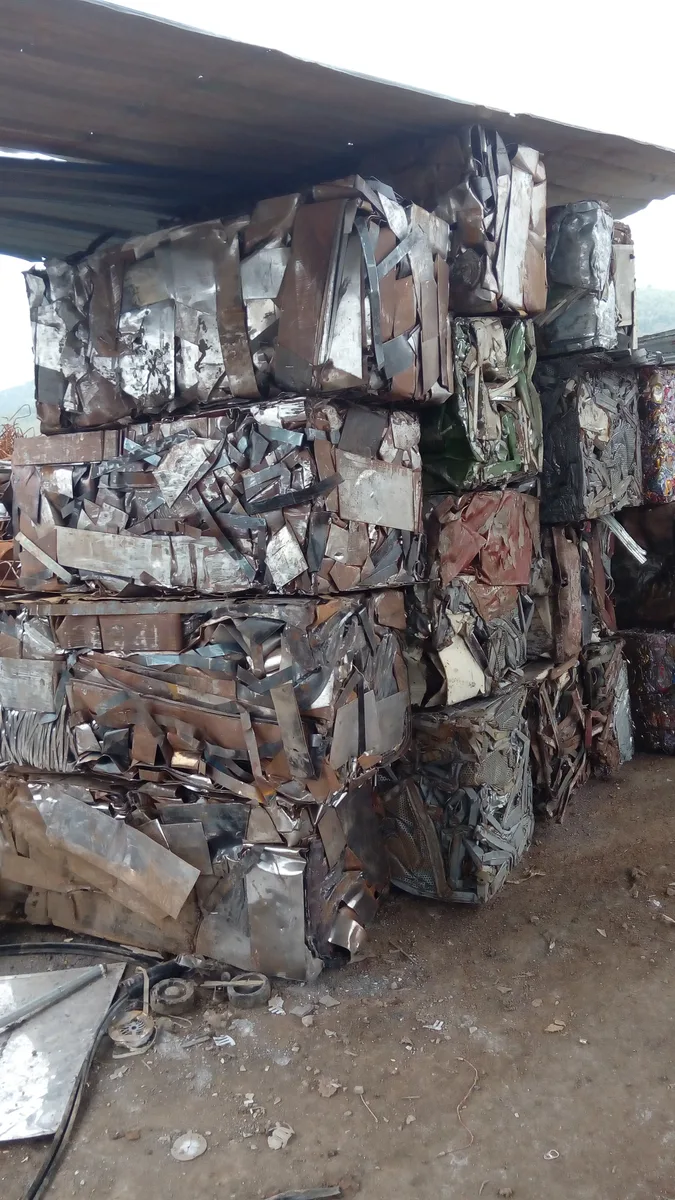
Light-Gauge Ferrous Scrap Baling
Practical sorting, preparation and equipment-selection guidance for light-gauge ferrous scrap, supported by representative material photos.
Read application guide ↗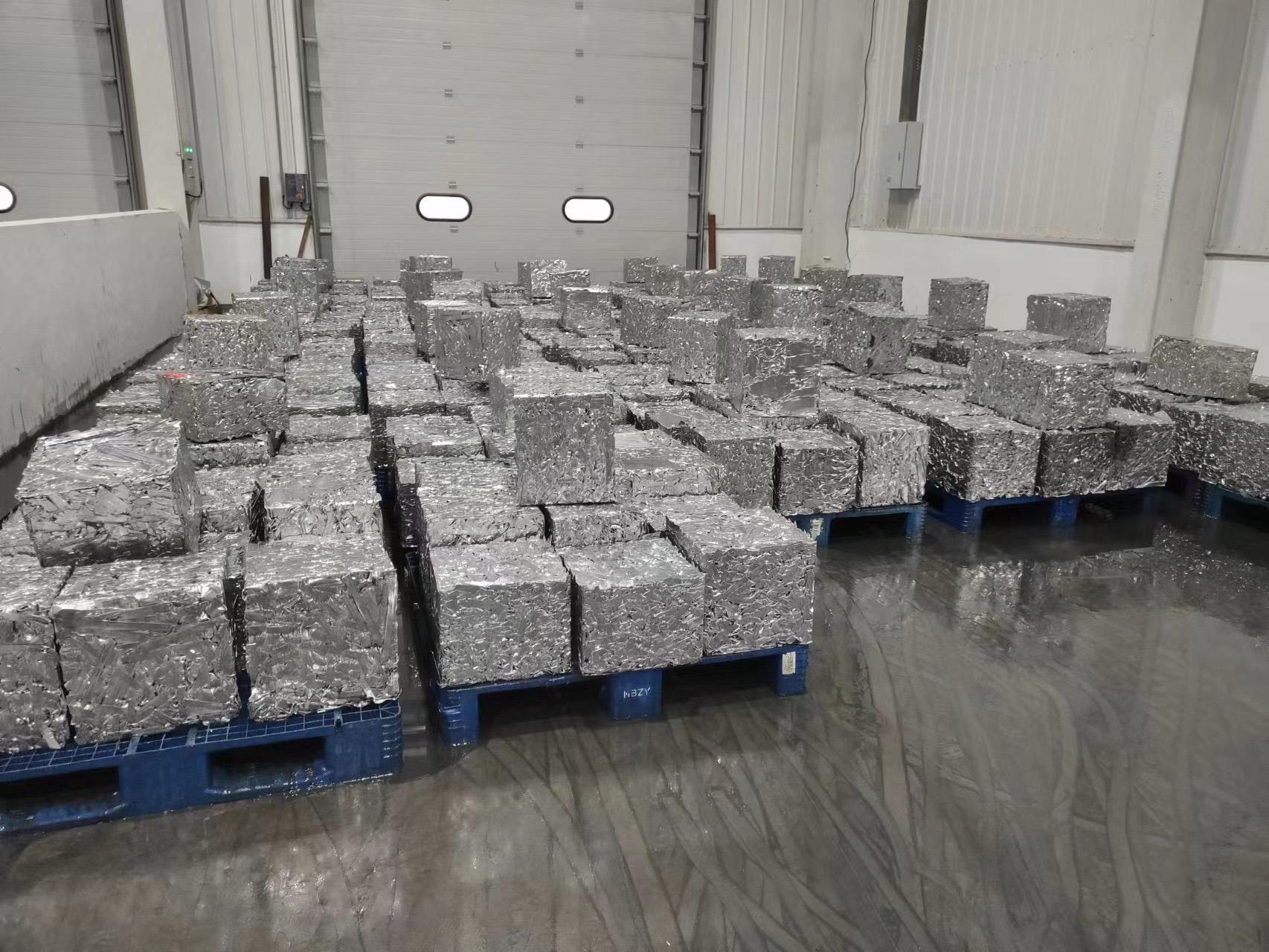
Aluminum Coil & Sheet Scrap Baling Recycling
Prepare aluminum coil, sheet, strip and production offcuts for hydraulic baling to reduce volume, improve storage and support efficient aluminium recycling logistics.
Read application guide ↗07 / QUESTIONS & SUPPORT
Product questions,
answered.
Delivery, Service & FAQ
Delivery scope, technical support and frequently asked questions.
Frequently asked questions
Does a rectangular bale mean one fixed standard size?
No. Confirm the cross-section, length and other required characteristics for the selected model and receiving process.
Do two listed dimensions include bale length?
Not automatically. Preserve the source meaning and ask which directions the dimensions describe before treating them as a complete package specification.
Can different size-range endpoints be combined?
No. Do not assemble a new configuration from unrelated entries. Obtain one coherent model-specific specification.
Can bale weight be predicted from its photograph?
No. Appearance does not establish weight, density or material condition. Use measured results from an agreed representative trial.
Is a stacking system included?
No automatic stacking or conveyor system is established here. Review the HBQ overview and confirm the actual collection interface.
Does the same package specification apply to all scrap?
No. Material preparation and buyer requirements remain relevant. The aluminum sheet workflow illustrates one feed-specific assessment.
Equipment Recommendation
Tell Us About Your Material and Capacity
Share the key operating conditions below so our team can compare suitable equipment and prepare a practical configuration.