
Metal Balers
Front-Out HBQ Baler for Sorted Aluminum Fabrication Scrap
Plan sorted aluminum fabrication batches for HBQ front-out baling, with alloy identification, separate preparation rules and traceable bale acceptance.
PRODUCT VIDEO
Front-Out HBQ Baler for Sorted Aluminum Fabrication Scrap video
01 / PRODUCT DESCRIPTION
Product Overview
Purpose, machine structure and its role in the recycling process.
Keep Fabrication Scrap Sorted from Bin to Bale
A fabrication workshop may produce sheet remnants, profile offcuts and small formed aluminum pieces during the same shift. Their shared material name does not make them one interchangeable feedstock. This Front-Out HBQ Baler page addresses the workflow for processing separately sorted fabrication batches, with clear preparation and acceptance rules for each stream. It does not recommend loading every workshop scrap form together.
The central purchasing question is whether the selected machine and site procedure can handle the approved streams without losing batch identity or relying on improvised loading. Front-out discharge creates a defined collection direction. Combine that arrangement with labeled incoming bins, planned batch changes and an identified outgoing bale area to assess whether the installation suits the workshop.
For the broader machine family, see the HBQ front-discharge baler overview. The material-specific checks here remain necessary even when a machine is suitable for another aluminum stream.
02 / MATERIALS & OUTPUT
Applications & Materials
Suitable scrap materials, industries and operating scenarios.
Use Separate Acceptance Rules for Each Fabrication Stream
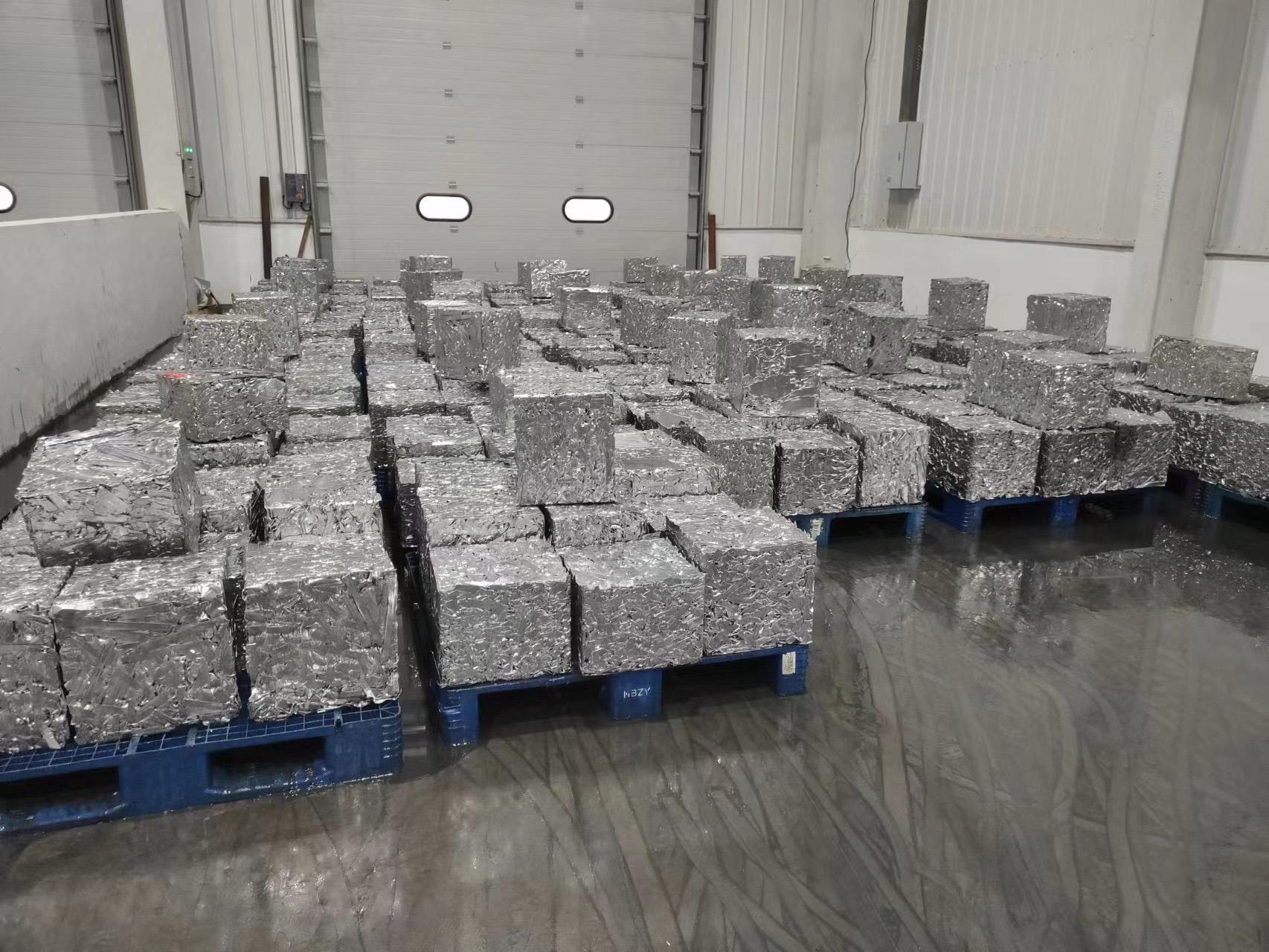
Start with the scrap generated by each process rather than the contents of a mixed skip. Record alloy identity, thickness, longest piece, section shape and surface condition for sheet cutting, profile sawing and forming operations. Where different alloys must remain separate, keep their bins and labels separate through collection, compression and outbound storage. Baling cannot reverse an accidental mixture.
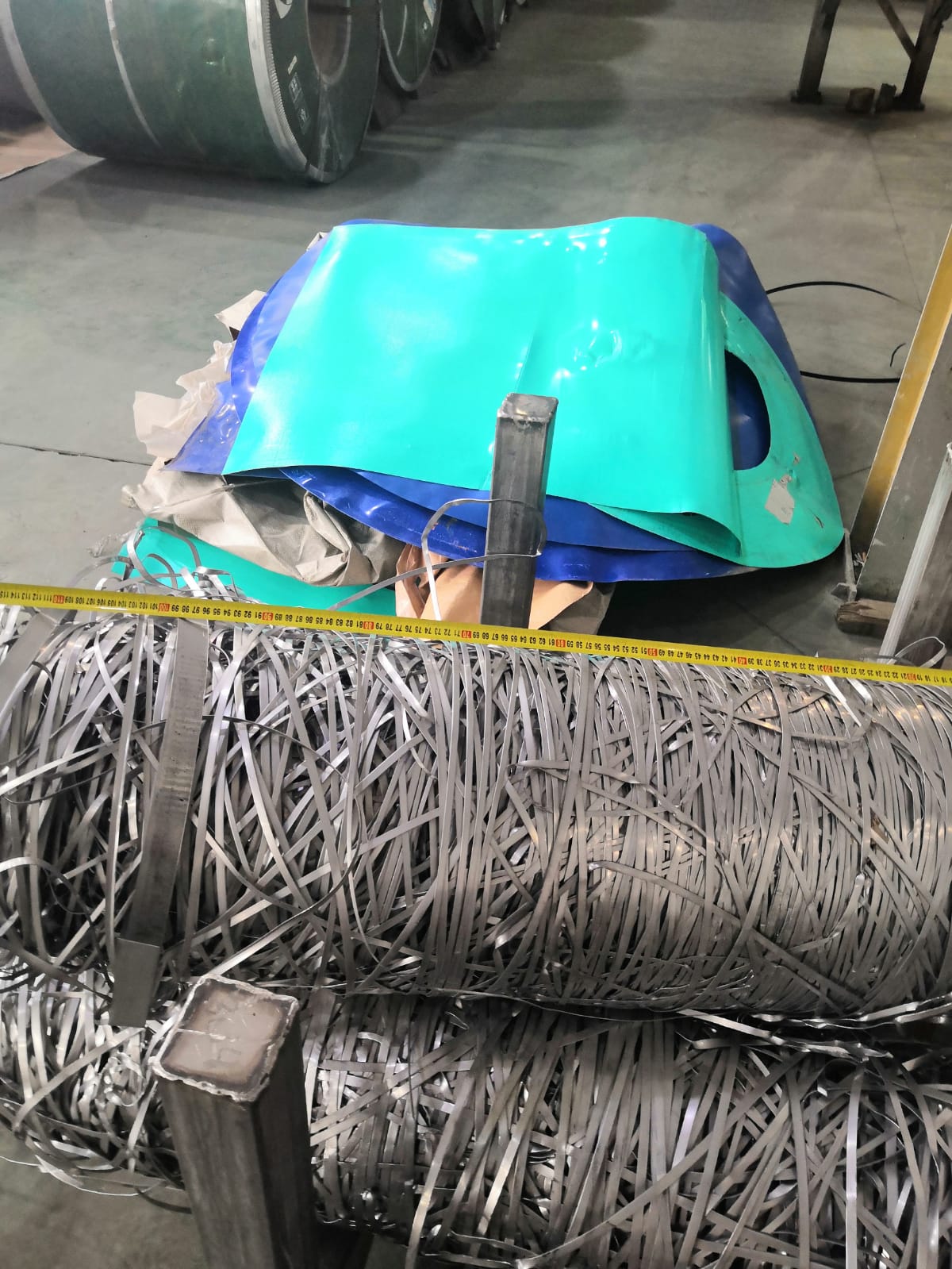
Sheet skeletons and long trim may need a reviewed size-preparation step. Profile sections require checks on wall thickness, attached hardware and the way hollow or open shapes nest. Formed pieces may retain inserts, coatings, oil or cleaning residues. Each stream needs its own acceptance decision; approval of thin sheet does not automatically cover thick sections or complete assemblies.
Exclude sealed or pressurized items, unknown contaminated material and incompatible workshop waste. Keep machining chips and fines outside this page’s accepted scope unless separately reviewed for a suitable process. Do not add steel sweepings or mixed-metal components to an aluminum batch because they are small. Identify the person or process responsible for rejecting nonconforming bins before they reach the loading point.
03 / STRUCTURE & FEATURES
Equipment features.
Features & Benefits
Operational advantages and configuration benefits for buyers.
Benefits to Evaluate in a Multi-Process Workshop
The useful outcome is a repeatable collection and preparation workflow, not an unsupported efficiency claim. Clearly separated batches can help the workshop retain the scrap identity requested by its recycler. A bale label can then refer to a defined source and material class rather than an uncertain mixture collected across several machines.
Hydraulic compression can be assessed for the approved loose offcuts, while the horizontal layout and forward discharge path can be evaluated against bin-transfer and collection routes. Reserve safe operating space for the actual loading and collection equipment. The receiving zone should not become temporary storage that obstructs the next discharge or blocks maintenance access.
The supplied HBQ series information describes control, loading and construction options that must be confirmed for the selected machine. Different bins do not automatically require different machines, but each proposed feed stream must remain within the reviewed loading and operating envelope. Do not infer automatic material recognition, automatic sorting or unattended batch changes from a PLC control option.
Interchangeable wear surfaces and the specified wear material should be reviewed with maintenance staff. Sharp sheet edges and profile ends may contact different areas of the chamber. Inspection access, isolation procedure and replacement requirements matter when several approved scrap shapes are processed in sequence. A suitable maintenance plan belongs to the delivered configuration rather than to a generic page.
04 / WORKING PRINCIPLE
Operation & Maintenance
Practical guidance for safe operation and routine maintenance.
Define Batch Changes and Acceptance Before Purchase
Prepare a simple stream register listing each approved source, alloy group, preparation rule and bin identifier. Agree how the operator verifies that a bin belongs to the next batch. Where the recycler requires stricter grade separation, define the inspection or cleaning steps between streams with the supplier. Do not promise zero carryover without a validated procedure.
Trial representative batches separately, including the largest normal pieces and any difficult but accepted geometry. Record the machine configuration, feed condition, loading method and handling observations. Agree acceptance criteria for each stream instead of applying one result indiscriminately to all fabrication scrap. Check that each bale can be collected and labeled without losing its link to the incoming batch.
During operation, follow the delivered instructions and site risk assessment. Do not reach into an energized chamber to remove a foreign piece or rearrange bridging scrap. Use the approved stop and isolation procedure before clearing obstructions, inspecting wear or changing any setup that requires access. Keep records of rejected loads and new material types so the approved feed scope is not silently expanded.
Related front-discharge aluminum project reference only; not evidence of this HBQ configuration, sheet/profile sample or specified capacity.
Front-Out Baler Reference Video: equipment/process reference only, not proof of every pictured material or configuration.
05 / TECHNICAL REFERENCE
Technical Parameters
Key selection data and model-dependent specification ranges.
Six mechanical reference attributes
The following six attributes are selected from the supplied HBQ series sheet. They describe series references or available arrangements, not a certified combination for one finished machine. Confirm the selected model, electrical requirements, chamber dimensions and loading arrangement before ordering. A listed option is not an automatic inclusion in the supply scope.
Core components: Pump and motor
Electrical supply: Three-phase
Machine arrangement: Horizontal
Steel plate thickness: 12–30 mm, series reference range
Feeding method: Grabber or manual, according to the selected loading arrangement
Remote control: Optional
A purchase specification should identify the incoming scrap dimensions and condition, required bale handling method and actual site utilities. Do not infer throughput, bale weight or achievable density from these six attributes. Request a configuration-specific quotation and an acceptance check using representative material, with the test conditions recorded.
06 / SOLUTIONS & CUSTOMER CASES
Plan the complete process.
RELATED NEWS
News & buying guides
Buying a Scrap Metal Baler: What to Include in Your RFQ
A useful scrap metal baler quotation starts with representative scrap, the buyer’s bale specification and a complete handling plan. Use this checklist to compare proposals on the same basis.
Read details ↗Front-Out vs. Side-Push Metal Balers: Which Fits Your Scrap Yard?
The direction a bale leaves the machine can shape your entire handling route. Compare front and side discharge before committing valuable yard space.
Read details ↗CUSTOMER CASES
Related project references
Each reference identifies its own equipment and project scope; it is not a test record for every material on this product page.

APPLICATIONS
Material preparation guides
These are related material guides. Follow each guide’s feedstock limits; a related material is not automatically approved for every machine configuration.

Aluminum Coil & Sheet Scrap Baling Recycling
Prepare aluminum coil, sheet, strip and production offcuts for hydraulic baling to reduce volume, improve storage and support efficient aluminium recycling logistics.
Read application guide ↗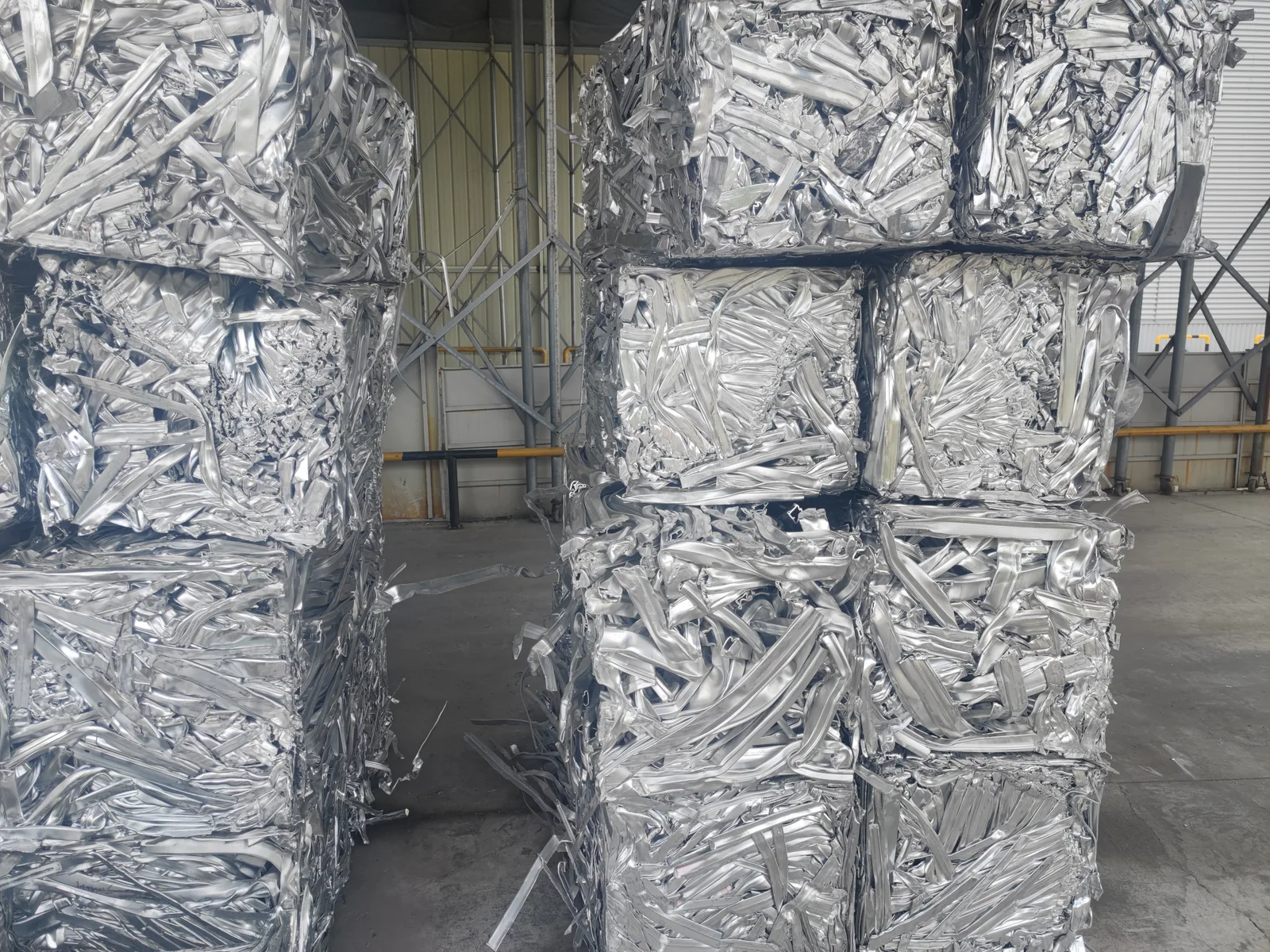
Aluminum Extrusion Scrap Baling
Practical sorting, preparation and equipment-selection guidance for aluminum extrusion scrap, supported by representative material photos.
Read application guide ↗07 / QUESTIONS & SUPPORT
Product questions,
answered.
Delivery, Service & FAQ
Delivery scope, technical support and frequently asked questions.
Frequently Asked Questions
Can sheet and profile scrap share one batch?
Only when the receiving recycler accepts the combination and the supplier has reviewed that mix. Keeping them separate is often necessary for alloy traceability and consistent preparation.
Does the machine identify the aluminum alloy?
No identification capability is established by this page. Alloy verification and batch labeling remain part of the upstream sorting and quality procedure.
Can the same acceptance test cover every workshop stream?
Not automatically. Test representative material from each proposed stream and document its dimensions, contamination, preparation and handling requirements.
What should happen when an unfamiliar part appears in a bin?
Remove the bin from the accepted route for review under the site procedure. Do not load unknown assemblies or improvise a preparation method beside an operating machine.
Are machining chips included as fabrication scrap here?
No. This page concerns reviewed sheet, profile and formed-piece offcuts. Chips and fines require separate assessment of their condition and the appropriate processing equipment.
What records should remain with a finished bale?
Keep the source batch, known alloy class and any relevant contamination or acceptance information required by the recycler. The exact record format depends on the agreed traceability system.
Equipment Recommendation
Tell Us About Your Material and Capacity
Share the key operating conditions below so our team can compare suitable equipment and prepare a practical configuration.