
Metal Balers
Front-Out HBQ PLC Baler for Beverage Can Recycling
Specify an HBQ PLC baler for beverage cans with clear control scope, loading responsibilities, front discharge planning and configuration acceptance.
PRODUCT VIDEO
Front-Out HBQ PLC Baler for Beverage Can Recycling video
01 / PRODUCT DESCRIPTION
Product Overview
Purpose, machine structure and its role in the recycling process.
Specify the PLC-controlled can baling sequence clearly
This Front-Out HBQ product focuses on the control specification for beverage can recycling. The supplied series reference lists PLC automatic control or manual control, which supports discussing a PLC option. It does not establish the exact program, operator screen, automatic feeding equipment or safety functions included with every machine.
For a buyer, the useful question is how the proposed control arrangement manages the agreed compression and front discharge operations while keeping loading and bale collection responsibilities clear. A written sequence description is more informative than an automatic label alone. Ask the supplier to explain the operator inputs, permitted operating modes and the conditions required before each step can begin.
A PLC-controlled option can provide an agreed repeatable command sequence when it is correctly specified and commissioned. The result still depends on prepared material, suitable loading, maintenance and the selected mechanical configuration. This page therefore separates confirmed reference options from functions that must be demonstrated on the actual offered equipment.
02 / MATERIALS & OUTPUT
Applications & Materials
Suitable scrap materials, industries and operating scenarios.
Control quality begins with consistent can preparation
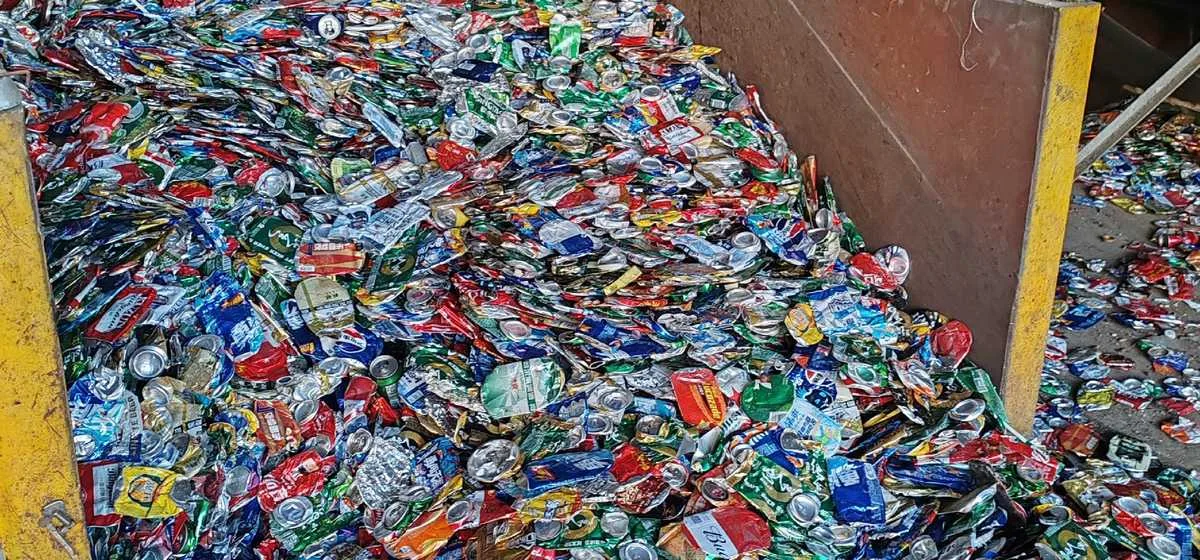
Supply sorted aluminum beverage cans that match the buyer's intended recycling stream. Remove steel contamination, glass, batteries, aerosols and hazardous residues before loading. Empty the cans and agree contamination limits with the receiving recycler. A control system cannot turn an unsuitable or dangerous feed stream into acceptable baling material.
Describe whether the cans are loose, flattened or a changing mixture, and explain how batches reach the chamber. Manual and grabber feeding are listed alternatives in the reference; neither becomes automatic simply because a PLC is selected. The loading method and the machine operating sequence must be reviewed together.
For trials, use material representative of routine deliveries rather than an unusually clean demonstration batch. Document preparation, batch variation and the desired downstream handling arrangement so that any agreed acceptance criteria relate to the installation the customer will actually operate.
03 / STRUCTURE & FEATURES
Equipment features.
Features & Benefits
Operational advantages and configuration benefits for buyers.
Evaluate the control option beyond the brand name
Defined operation: request a plain-language description of the supplied sequence and the operator's role. This helps identify whether the option suits the site's staffing and material handling method without making unsupported claims about unattended operation.
Configuration traceability: Siemens PLC and Schneider electrical components appear in the supplied reference, but they are listed configurations rather than a guarantee that every machine includes those brands. Confirm the bill of materials, program support and relevant documentation for the order.
Front discharge coordination: the machine's forward push-out direction requires a clear collection zone. Ask how the proposed sequence communicates the discharge stage to the operator and what site procedures are needed for collection equipment.
Maintenance planning: agree who will support the controls, which operating instructions will be supplied and how faults are reported on the offered configuration. Do not assume a particular diagnostic screen, remote connection or stored production report unless it is explicitly included.
Mechanical fit: PLC selection does not resolve chamber size, supply voltage or bale specification. Those remain separate purchasing decisions that must be matched to the actual material and site conditions.
04 / WORKING PRINCIPLE
Operation & Maintenance
Practical guidance for safe operation and routine maintenance.
Use a documented control acceptance checklist
Begin with a functional specification that identifies the selected machine, intended material, feeding method and collection arrangement. List the operating modes the supplier proposes to provide. Ask for a demonstration of normal operation, stopping, restarting and recovery from a representative interruption under the supplier's approved procedure.
Review the operator interface: confirm that labels, instructions and permitted commands are understandable to the intended operators.
Observe a normal batch: load representative cans using the agreed method and compare the demonstrated sequence with the written specification.
Check handovers: identify when loading personnel and collection equipment may approach, and establish the site's approved communication and exclusion procedures.
Verify support: confirm the supplied manuals, electrical documentation, maintenance isolation instructions and agreed training scope before handover.
Safety functions must be assessed for the actual machine and applicable requirements by competent personnel. A PLC brand or automatic-mode description is not proof of a safety-rated system. Do not bypass a protective device or alter the program to overcome an operating issue.
Keep configuration records with the equipment. If material, loading equipment or collection practice changes later, review the effect on the operating procedure rather than assuming the original setup remains suitable.
The linked Australian 200-ton front-discharge aluminum project is a layout reference, not proof of this HBQ can feed or configuration.
Front-Out Baler Reference Video: user-selected equipment/process reference, not configuration-specific performance evidence.
05 / TECHNICAL REFERENCE
Technical Parameters
Key selection data and model-dependent specification ranges.
Six selected mechanical reference attributes
The following entries are drawn from the supplied HBQ series worksheet. They describe listed attributes or available specifications, not a single verified machine assembled from random options. Confirm the complete model, supply and order configuration before purchase.
Discharge method: Forward push-out.
Cooling option: Fan cooling, subject to configuration confirmation.
Oil tank volume: 800–3000 L series reference range; selected model to be confirmed.
Supply frequency: 50 Hz or 60 Hz, selected to match the site supply.
Drive: Hydraulic drive.
Voltage: 220–660 V series supply range; select the required site voltage.
Where a range or alternative is shown, it belongs to the series reference. It does not mean that one machine covers every value or includes every option.
06 / SOLUTIONS & CUSTOMER CASES
Plan the complete process.
RELATED NEWS
News & buying guides
Aluminum Can Baler Selection: Bale Size, Throughput and Feeding
Start with the cans you collect and the bales your buyer accepts. Connect daily volume, feeding, collection and transport before selecting a machine.
Read details ↗Front-Out vs. Side-Push Metal Balers: Which Fits Your Scrap Yard?
The direction a bale leaves the machine can shape your entire handling route. Compare front and side discharge before committing valuable yard space.
Read details ↗CUSTOMER CASES
Related project references
Each reference identifies its own equipment and project scope; it is not a test record for every material on this product page.

APPLICATIONS
Material preparation guides
These are related material guides. Follow each guide’s feedstock limits; a related material is not automatically approved for every machine configuration.
07 / QUESTIONS & SUPPORT
Product questions,
answered.
Delivery, Service & FAQ
Delivery scope, technical support and frequently asked questions.
Frequently asked questions
Is PLC control supported by the supplied HBQ reference?
Yes. BASIC!A2 lists PLC automatic control or manual control. The specific PLC configuration, sequence and included functions still need to be confirmed in the proposed machine specification.
Does this mean the baler feeds itself?
No. Automatic control does not establish automatic material feeding. The reference separately lists grabber and manual feeding options, and the actual installation must state how cans enter the chamber.
Are Siemens and Schneider included on every machine?
That cannot be assumed. They are listed in the supplied reference, but the quotation and approved configuration should confirm the actual PLC and electrical components supplied for the order.
Can we leave the machine operating unattended?
The supplied information does not support that claim. Follow the actual operating manual and site safety assessment, including supervision, loading and collection requirements for the selected configuration.
What should a PLC acceptance demonstration include?
Compare the delivered modes and sequence with the agreed specification. Review normal operation, permitted stopping and recovery, operator instructions, documentation and the boundaries between loading, compression and collection.
Does the linked video prove these control functions?
No. It is a user-designated front-out reference video. It is not evidence of this page’s particular PLC program, safety functions, can trial, component brands or ordered machine configuration.
Equipment Recommendation
Tell Us About Your Material and Capacity
Share the key operating conditions below so our team can compare suitable equipment and prepare a practical configuration.