
Metal Balers
Front-Out Y81Q Baler for Steel Cable Tray Trimmings
Review perforated strips, return flanges and batch identification
Plan front-out baling for steel cable tray trimmings with checks for perforations, long strips, finish separation and safe collection.
PRODUCT VIDEO
Front-Out Y81Q Baler for Steel Cable Tray Trimmings video
01 / PRODUCT DESCRIPTION
Product Overview
Purpose, machine structure and its role in the recycling process.
Describe the trim leaving the cable-tray line
Steel cable tray production can create long side strips, perforated sheet remnants and short formed ends. The Front-Out Y81Q Baler for Steel Cable Tray Trimmings addresses prepared manufacturing scrap from those operations. It does not cover complete installed cable systems or approve loading cables, electrical components and supports together.
The most useful description combines material identity with geometry. A flat perforated strip, a return flange and a nested formed end may share the same steel specification but behave differently in a container and during loading. Submit representative pieces and photographs instead of using cable tray scrap as a single broad material label.
02 / MATERIALS & OUTPUT
Prepared Materials
Suitable scrap materials, industries and operating scenarios.
Control narrow sections and projecting edges
Perforations leave narrow webs and openings that can interlock with adjacent pieces. Folded returns can hook other trim and make the apparent loose volume misleading. Record the longest piece, thickness, flange depth and whether the material arrives tangled or nested. The supplier should establish an acceptable prepared form before loading becomes routine.
Sort finish and grade according to the recycler's requirements. Identify galvanized or painted material and separate unfamiliar attachments. This enquiry does not imply that heavy brackets, fasteners or complete support structures belong in the same feed as light sheet trimming. Do not assume any object that passes through an opening is suitable for the chamber.
Exclude live cables, sealed or pressurized containers, hot material and unknown contamination. If a stream mainly consists of perforated sheets rather than narrow tray trim, compare the perforated-sheet page. Keep the material approval specific to the dimensions and preparation actually reviewed.
03 / STRUCTURE & FEATURES
Equipment features.
Features and Selection Benefits
Operational advantages and configuration benefits for buyers.
Evaluate handling consistency as well as compression
A hydraulic front-out arrangement provides a proposed compression stage and a defined direction for bale release. For a cable-tray workshop, the practical benefit to evaluate is a controlled handover between trim collection and finished-bale pickup. Good organization depends on suitable containers and an approved loading method; the machine name does not guarantee a reduction in labor or floor space.
Long trim may extend beyond a bin and interfere with transfer routes. Review this upstream handling before deciding the baler position. Ask whether a separate preparation operation is needed and identify who is responsible for it. No built-in cutting function, automated untangling system or conveyor is established by the supplied front-out reference sheet.
The receiving end also needs enough space for the selected collection method. Compare the forward-end forklift interface when planning approach and clearance. Bale openings and exposed strips should not be assumed to form lifting points. Confirm stability and permitted handling using the actual output.
04 / WORKING PRINCIPLE
Operation and Maintenance
Practical guidance for safe operation and routine maintenance.
Use difficult approved shapes in acceptance
Prepare a trial batch containing ordinary trim and the longest or most interlocking forms that the supplier has agreed to assess. Record any cutting, separation or container changes required before loading. Evaluate the complete process through compression, discharge and collection, with trained personnel following the machine-specific procedure.
Keep production and finish identities visible if multiple cable-tray lines share the station. A changed sheet grade, coating or section profile can require a new review. Do not treat a successful run of one tray design as proof for all designs or mixed support hardware. Agreed input limits should be accessible to operators and incoming-material handlers.
Maintenance should follow the delivered manual, including checks of wear surfaces, hydraulic components and controls. Recurrent catching warrants review of the feed and preparation method. Stop and isolate for authorized clearing work; workers should never pull a strip from the chamber while equipment is moving. Report changes in bale stability before continuing the normal collection routine.
05 / TECHNICAL REFERENCE
Six Series References and Options
Key selection data and model-dependent specification ranges.
Review the proposed machine configuration
The six attributes below are drawn from the supplied HBQ front-out series sheet. They are reference values or options for this enquiry, not a verified specification for a particular Y81Q model. Confirm their applicability to the proposed machine and retain the agreed model-specific values in the order. A series range does not mean one machine operates across every value, and different source ranges must not be combined into a new specification.
Front-Out Baler Reference Video is the designated equipment and process reference. It does not establish a test on this page's material or prove a particular output, configuration or customer result.
| Attribute | Series reference / option |
|---|---|
| Bale-form reference | Square / cube, as listed; dimensions require confirmation |
| Listed cooling option | Fan cooling; confirm applicable configuration |
| Feeding alternatives | Grabber or manual; specify selected arrangement |
| Drive | Hydraulic drive |
| Remote control | Optional; confirm package |
| Working pressure reference | 21.5 MPa; confirm selected model |
The related Germany front-discharge project is a layout and collection reference, not a Y81Q trial of this page’s material or proof of its configuration.
06 / SOLUTIONS & CUSTOMER CASES
Plan the complete process.
RELATED NEWS
News & buying guides
CUSTOMER CASES
Related project references
Each reference identifies its own equipment and project scope; it is not a test record for every material on this product page.

APPLICATIONS
Material preparation guides
These are related material guides. Follow each guide’s feedstock limits; a related material is not automatically approved for every machine configuration.
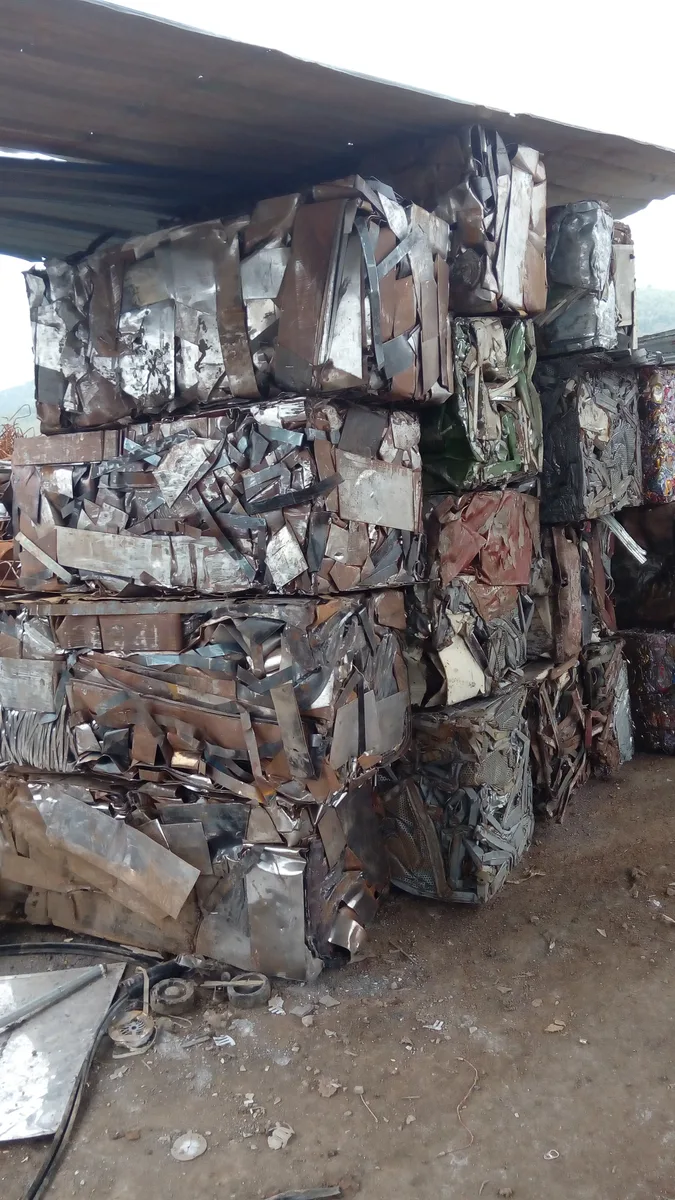
Light-Gauge Ferrous Scrap Baling
Practical sorting, preparation and equipment-selection guidance for light-gauge ferrous scrap, supported by representative material photos.
Read application guide ↗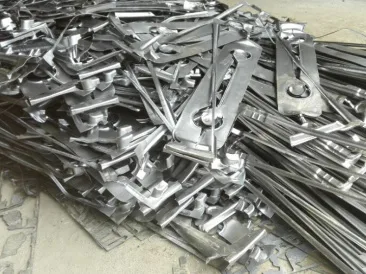
Stamping Steel Scrap Baling & Recycling
Practical sorting, preparation and equipment-selection guidance for stamping steel scrap, supported by representative material photos.
Read application guide ↗07 / QUESTIONS & SUPPORT
Product questions,
answered.
Frequently Asked Questions
Delivery scope, technical support and frequently asked questions.
Frequently asked questions
Can complete cable trays with cables be processed?
This page concerns prepared steel manufacturing trim. Cables, components and assemblies need separate removal and assessment before any machine approval.
Do perforations make every strip easy to compact?
No. Perforations can also create hooks and narrow webs. Shape, thickness and preparation must be reviewed using representative pieces.
Must long trim be shortened?
The supplier must confirm the permitted prepared dimensions and loading method. A separate preparation step may be needed; no integrated cutter is assumed.
Which machine data should a buyer confirm?
Confirm the exact Y81Q model, approved material envelope, actual chamber, loading arrangement, power supply and receiving layout. The provided HBQ sheet is a reference, not a renamed Y81Q specification.
Can the video replace a cable-tray scrap trial?
No. The designated reference video does not prove testing of these particular perforated strips or a guaranteed production rate.
How should finished output be checked?
Check bale condition, exposed edges, stability and the approved collection method. The forward pickup guide helps frame handling questions; record the batch identity required by the downstream receiver.
Equipment Recommendation
Tell Us About Your Material and Capacity
Share the key operating conditions below so our team can compare suitable equipment and prepare a practical configuration.