
Metal Balers
Side-Push Baler for Nonferrous Metal Scrap
Protect Nonferrous Grade Identity During Changeovers
Protect Nonferrous Grade Identity During Changeovers. Review the HBT configuration against the actual prepared scrap and site requirements.
PRODUCT VIDEO
Side-Push Baler for Nonferrous Metal Scrap video
01 / PRODUCT DESCRIPTION
Protect Nonferrous Grade Identity During Changeovers
A focused purchasing and operating decision for the existing HBT family.
Protect Nonferrous Grade Identity During Changeovers
Protect Nonferrous Grade Identity During Changeovers. Practical selection and acceptance guidance for the existing HBT side-push family.
A Side-Push Baler for Nonferrous Metal Scrap is selected for approved prepared material such as suitable aluminum or copper scrap, with the actual form confirmed for the offered configuration. Horizontal hydraulic compression consolidates that feed and side ejection transfers the bale to a receiving area. The HBT machine is not an alloy sorter, separator or purification system.
Where one collection operation handles several nonferrous streams, the important purchasing question is how to preserve their identity between batches. Aluminum sheet, profiles and copper wire can have different preparation and buyer requirements. Calling them nonferrous does not establish that they should be compressed together or that one setting fits every form.
This guide focuses on changeovers and traceability across separately approved streams. Use the aluminum and copper material pages for their individual feed considerations. The page describes a selection workflow for the existing HBT family, not a universal approval for every nonferrous metal.
02 / MATERIALS & OUTPUT
Describe Each Stream Independently
Describe Each Stream Independently.
Create a separate feed description for each material intended for the machine. Include the known alloy or commercial grade, source, physical form, maximum normal dimensions and visible attachments. Record uncertainty plainly. An attractive color or a supplier's informal description is not enough to certify an alloy or a contamination limit.
Review profile inserts, steel fasteners, coatings, cable insulation and other attached materials against the intended buyer's requirements. Preparation may be needed before a stream is accepted for baling. Do not claim that hydraulic compression removes these components or upgrades mixed scrap to a purer commercial grade.
Long wire, tangled coils and irregular offcuts can behave differently during loading and discharge. Their dimensions and preparation need configuration-specific review. Magnesium, titanium, reactive fines and other special materials are not automatically included by the word nonferrous. Keep them outside this general scope unless a separately documented process and equipment approval exists.
04 / WORKING PRINCIPLE
Plan a Verifiable Changeover
Plan a Verifiable Changeover.
Schedule accepted streams as identifiable batches instead of continuously adding whatever arrives next. Before a change, identify where the previous material may remain: collection containers, staging areas and the equipment interfaces defined in the operating instructions. Agree a safe inspection and clearance procedure with the supplier rather than improvising access to the machine.
Record the outgoing lot, the incoming lot and the person authorizing the transition. If the buyer requires a particular contamination control, agree the verification method and acceptance criterion before production. A visual check can document an observation but should not be presented as a laboratory purity result.
Keep uncertain transition material distinguishable from released production. Its handling route depends on the agreed buyer and site procedure. Do not hide carryover by placing it in the center of another bale. Link each finished bale lot to its source records and the relevant changeover record so later questions can be investigated.
05 / TECHNICAL REFERENCE
Selected HBT Technical Attributes
Five supported reference attributes, with configuration-dependent options stated separately.
These attributes describe the HBT side-push equipment family. Options and site-specific arrangements must be confirmed in the selected technical configuration.
| Technical attribute | HBT reference |
|---|---|
| Machine layout | Horizontal |
| Drive type | Hydraulic |
| Bale discharge | Side push-out |
| Motor voltage | Configured for the installation electrical supply |
| Model series | HBT |
Force, chamber dimensions, bale weight and production rate are not inferred from a material title. Confirm those values against representative feedstock and the agreed machine configuration.
Operating options: full-automatic / semi-automatic, as confirmed by Dershan. The technical proposal defines the controlled actions and operator responsibilities. These option names do not establish automatic feeding, sorting, unattended operation or a guaranteed production rate.
Match the Proposal to the Batch Plan
Match the Proposal to the Batch Plan.
Tell the equipment supplier whether the operation handles one consistent stream or several separately approved batches. Provide representative samples of the difficult normal feed, not only clean demonstration pieces. Ask the proposal to identify the applicable configuration and any preparation needed for each stream. A single family attribute table is not a performance guarantee across different metals.
Plan loading, side-discharge collection and temporary storage so separated material remains separated. The available lifting equipment and container labeling should support the same lot identity used in the paperwork. Full-automatic and semi-automatic options do not establish automatic alloy recognition, automatic cleaning or unattended changeover.
Follow the manual for hydraulic, electrical and protective-device inspection. Use qualified personnel for defects, maintenance and approved cleaning, with shutdown and isolation before access as required. Avoid reaching into machinery to retrieve small carryover pieces. The desired commercial purity of a lot does not justify bypassing the safe access procedure.
06 / SOLUTIONS & CUSTOMER CASES
Plan the complete process.
RELATED NEWS
News & buying guides
Buying a Scrap Metal Baler: What to Include in Your RFQ
A useful scrap metal baler quotation starts with representative scrap, the buyer’s bale specification and a complete handling plan. Use this checklist to compare proposals on the same basis.
Read details ↗Scrap Metal Baler Throughput: How to Plan Real Production
Plan baler capacity around saleable output per working hour, including loading and discharge. A nominal press cycle is only one part of the production picture.
Read details ↗CUSTOMER CASES
Related project references
Each reference identifies its own equipment and project scope; it is not a test record for every material on this product page.

APPLICATIONS
Material preparation guides
These are related material guides. Follow each guide’s feedstock limits; a related material is not automatically approved for every machine configuration.
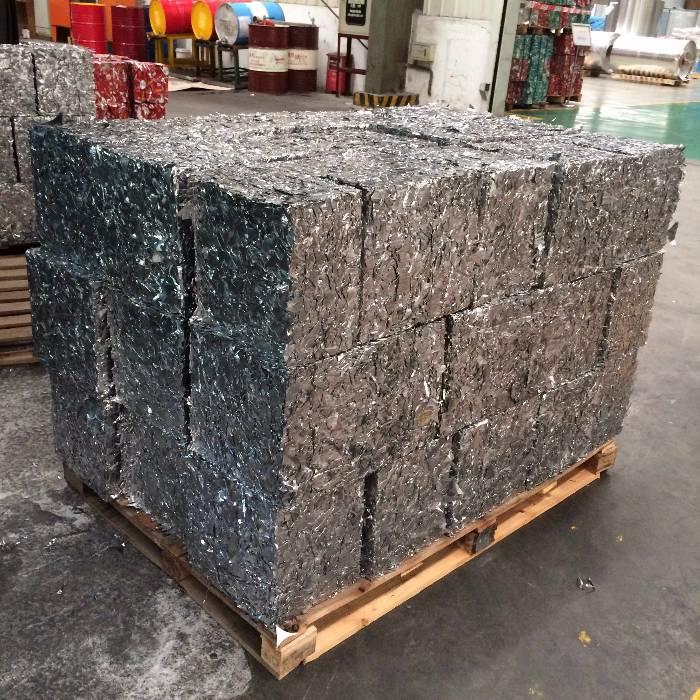
Mixed Aluminum Scrap Baling & Recycling
Sort and bale mixed aluminum scrap, cast pieces, profiles and shredded material for compact storage, traceable handling and recycling.
Read application guide ↗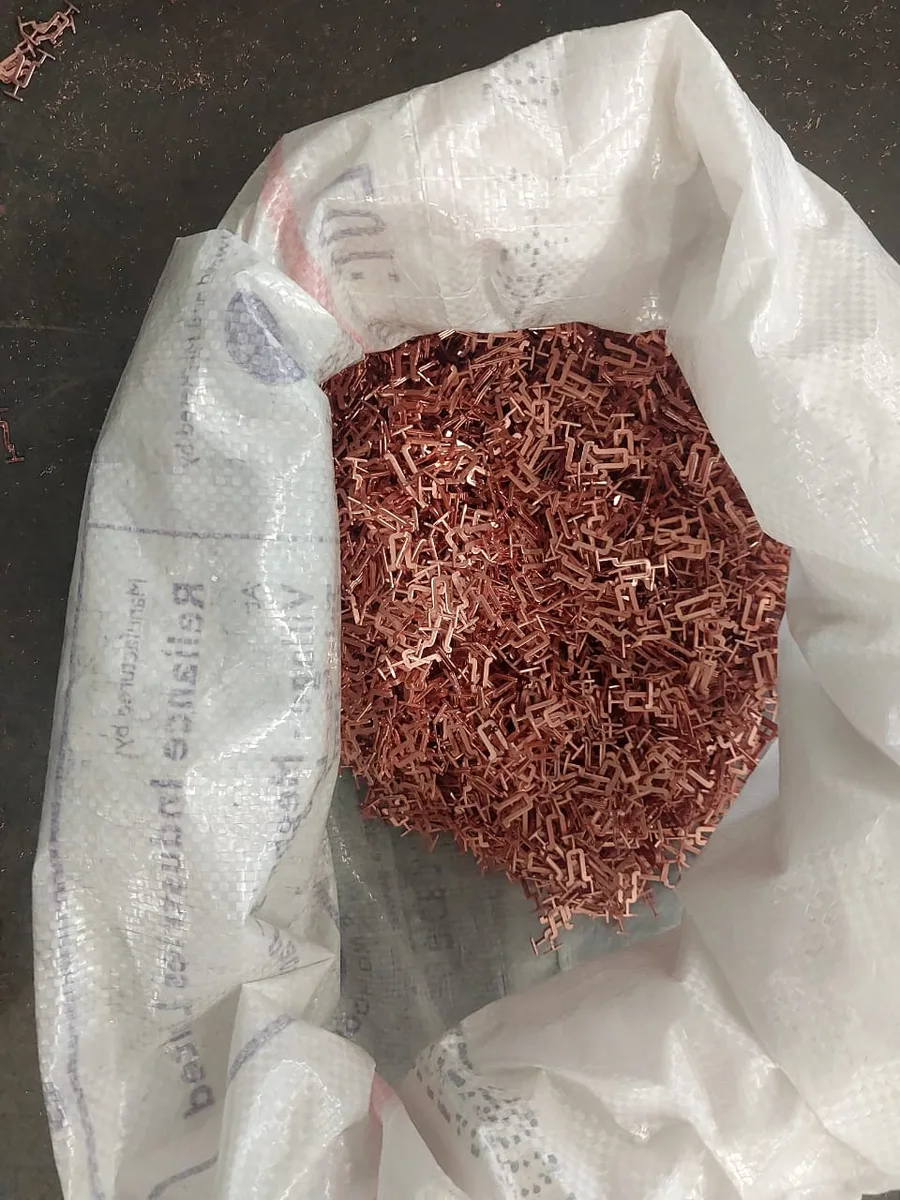
Copper Sheet Scrap Baling
Practical sorting, preparation and equipment-selection guidance for copper sheet scrap, supported by representative material photos.
Read application guide ↗07 / QUESTIONS & SUPPORT
Product questions,
answered.
Side-Push Baler for Nonferrous Metal Scrap FAQ
Answers specific to this selection decision.
Can aluminum and copper be compressed in one batch?
Do not assume that they should be. The machine configuration and intended buyer must accept the actual mixture, and its commercial identity must be clear. Separate approved streams are the normal planning basis described here. See the aluminum-scrap and copper-scrap guides for separate stream planning.
Does nonferrous include every metal that is not steel?
Not as an equipment approval. Reactive materials, fines and unusual alloys can need different handling and machinery. This page does not establish suitability for them merely through a broad material label.
What is the purpose of a changeover record?
It connects the previous and next material lots to the agreed clearance and inspection steps. That record helps explain possible carryover and supports traceability, without claiming that paperwork alone proves chemical purity.
Will pressing remove insulation or steel attachments?
No removal capability is established by baling. Identify attachments before loading and define the separate preparation or rejection route. Confirm the accepted condition with both the machine supplier and the intended buyer.
Can one quoted output rate cover all nonferrous streams?
Do not transfer a result from one feed form to another. Ask which prepared material, configuration and operating conditions a quoted result covers. This page does not supply an hourly output promise.
How should doubtful transition scrap be handled?
Keep it identified and separate until the designated person decides its route under the receiving specification. Do not silently blend it into a released lot or describe it as a higher grade than the evidence supports.
Equipment Recommendation
Tell Us About Your Material and Capacity
Share the key operating conditions below so our team can compare suitable equipment and prepare a practical configuration.