
Metal Balers
Side-Push Copper Scrap Baler
HBT side-push equipment selection for copper scrap
A Side-Push Copper Scrap Baler compresses suitable, prepared copper production scrap into rectangular bales and pushes each bale into a designated side collection area. The HBT horizontal hydraulic arrangement is assessed around the actual tubing, sheet offcuts or wire feed, rather than a single output figure for every copper stream.
PRODUCT VIDEO
Side-Push Copper Scrap Baler video
01 / PRODUCT DESCRIPTION
Side-Push Copper Scrap Baler Overview
Material-specific equipment selection and practical boundaries.
Side-Push Copper Scrap Baler: Material Preparation and HBT Selection
Material-specific preparation, handling and configuration guidance for the HBT side-push machine family.
A Side-Push Copper Scrap Baler compresses suitable, prepared copper production scrap into rectangular bales and pushes each bale into a designated side collection area. The HBT horizontal hydraulic arrangement is assessed around the actual tubing, sheet offcuts or wire feed, rather than a single output figure for every copper stream.
For copper recyclers and fabrication workshops, the main selection questions are how to preserve material identity, load irregular pieces consistently and remove bales without interrupting the working area. Copper grade, attachments, piece geometry and downstream acceptance all influence the proposed configuration. A picture of a copper-colored bale is not proof of alloy composition or achievable performance.
Review the HBT side push-out machine layout alongside the material-specific checks below. The selected machine and operating procedure must be confirmed before this application is put into production.
02 / MATERIALS & OUTPUT
Material Preparation and Grade Control
Prepare a controlled feed before evaluating bale formation.
Separate copper grades and distinguish copper from brass, aluminum and mixed-metal assemblies before loading. Keep production lots identifiable when the receiving recycler buys material by grade or source. Baling consolidates the feed; it does not establish its chemical composition or remove unwanted metals.
- Tube and sheet offcuts: record the longest pieces, wall thickness, bends and attached fittings. Confirm whether cutting or other preparation is needed to fit the approved chamber and loading method.
- Wire scrap: distinguish short loose wire from coils, long strands, insulated cable and cable with connectors. Tangled material needs a specific loading review; a generic copper-baler description does not confirm cable suitability.
- Contamination: identify oil, water, plastic, rubber and other nonmetallic components. Agree a preparation procedure and the buyer’s allowable contamination before choosing a bale specification.
Do not use the baler as a cable-stripping or metal-separation system. Remove sealed or pressurized items, batteries and hazardous contamination from the stream. Keep material samples representative, including awkward pieces, instead of evaluating only clean and easily loaded offcuts.
04 / WORKING PRINCIPLE
Side-Push Baling Workflow
Coordinate loading, compression, side ejection and removal.
Identify and prepare the lot.
Record the accepted copper grade and material form. Place rejected or uncertain material in a separate area so it cannot enter the next charge by mistake.
Load a controlled charge.
Use the manual or grabber arrangement approved for the machine. Avoid forcing bridging or tangled pieces into the chamber, and follow the operating instructions for containment.
Compress under the specified sequence.
The hydraulic arrangement forms the prepared charge into a rectangular bale. Keep people outside the protected machine area throughout the cycle.
Eject and identify the bale.
Keep the side receiving area clear, remove the bale with the agreed handling equipment and preserve the lot identification required by the recycler.
Cleaning and blockage removal require the manufacturer’s isolation procedure, not access while the machine remains ready to move. Include the condition of guards, hoses, chamber surfaces and the side-discharge area in routine inspections.
05 / TECHNICAL REFERENCE
Selected HBT Mechanical Properties
Five sourced properties for the HBT side-push configuration.
These attributes describe the HBT side-push equipment family. Options and site-specific arrangements must be confirmed in the selected technical configuration.
| Technical attribute | HBT reference |
|---|---|
| Motor voltage | Configured for the installation electrical supply |
| Remote control | Optional; confirm in the selected configuration |
| Model series | HBT |
| Drive type | Hydraulic |
| Control options | PLC automatic or manual, as specified |
Force, chamber dimensions, bale weight and production rate are not inferred from a material title. Confirm those values against representative feedstock and the agreed machine configuration.
Machine Selection and Acceptance
Specify the real feed, handling arrangement and acceptance criteria.
Send material photographs, grade descriptions, typical and maximum piece dimensions, contamination details and the amount generated during a normal shift. Include the space available beside the machine, lifting equipment and the receiving customer's bale requirements. These inputs are more useful than asking for a universal copper production capacity.
A representative trial should record the feed composition, preparation work, loading time, compression sequence, side ejection and collection delays. Agree the required bale dimensions and handling condition before the trial. Compare the complete working cycle, not an isolated hydraulic movement, when discussing practical output.
Do not infer bale density or weight from motor power, machine appearance or another customer's material. If a downstream buyer specifies a maximum package weight or charging dimension, include it in the technical review. Contact Dershan with your copper scrap details to establish a model-specific selection basis.
06 / SOLUTIONS & CUSTOMER CASES
Plan the complete process.
RELATED NEWS
News & buying guides
Buying a Scrap Metal Baler: What to Include in Your RFQ
A useful scrap metal baler quotation starts with representative scrap, the buyer’s bale specification and a complete handling plan. Use this checklist to compare proposals on the same basis.
Read details ↗Scrap Metal Baler Throughput: How to Plan Real Production
Plan baler capacity around saleable output per working hour, including loading and discharge. A nominal press cycle is only one part of the production picture.
Read details ↗CUSTOMER CASES
Related project references
Each reference identifies its own equipment and project scope; it is not a test record for every material on this product page.

APPLICATIONS
Material preparation guides
These are related material guides. Follow each guide’s feedstock limits; a related material is not automatically approved for every machine configuration.
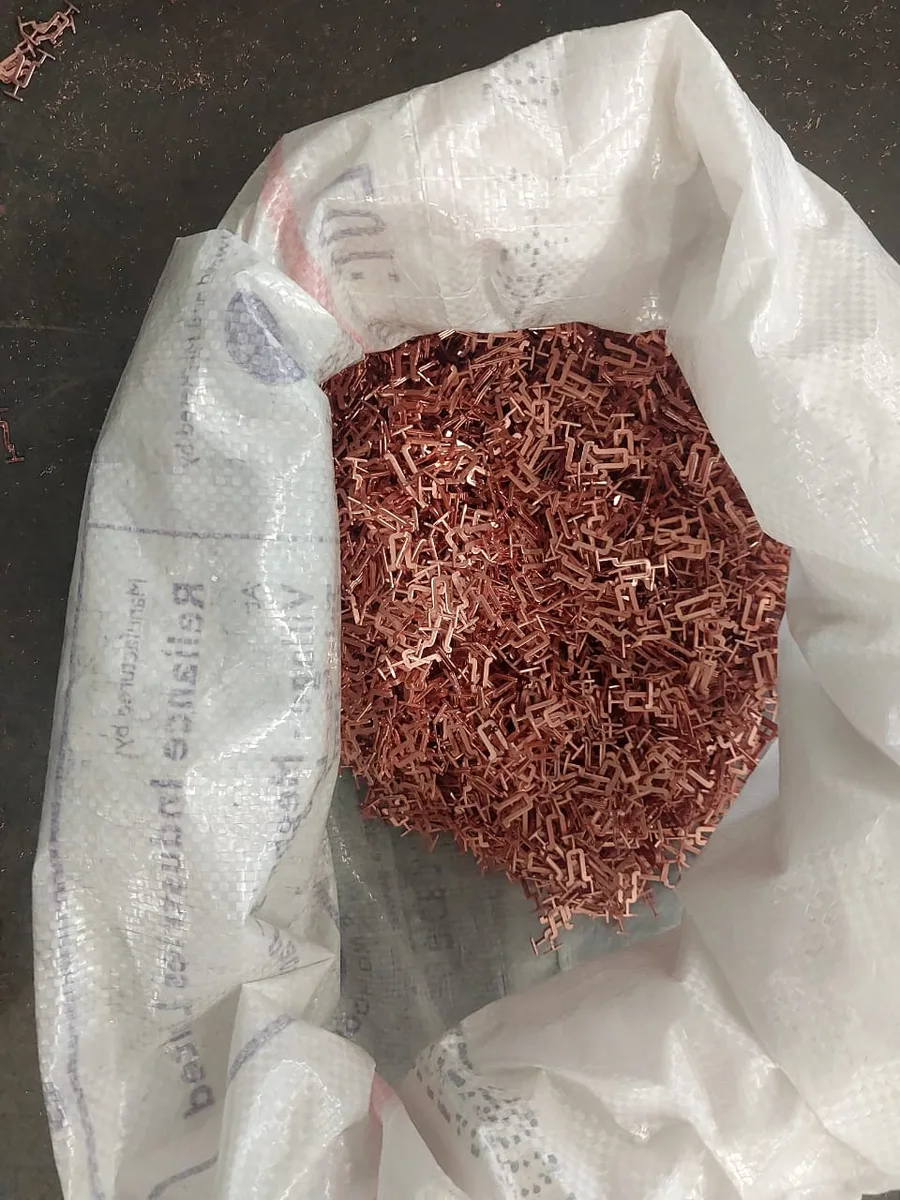
Copper Sheet Scrap Baling
Practical sorting, preparation and equipment-selection guidance for copper sheet scrap, supported by representative material photos.
Read application guide ↗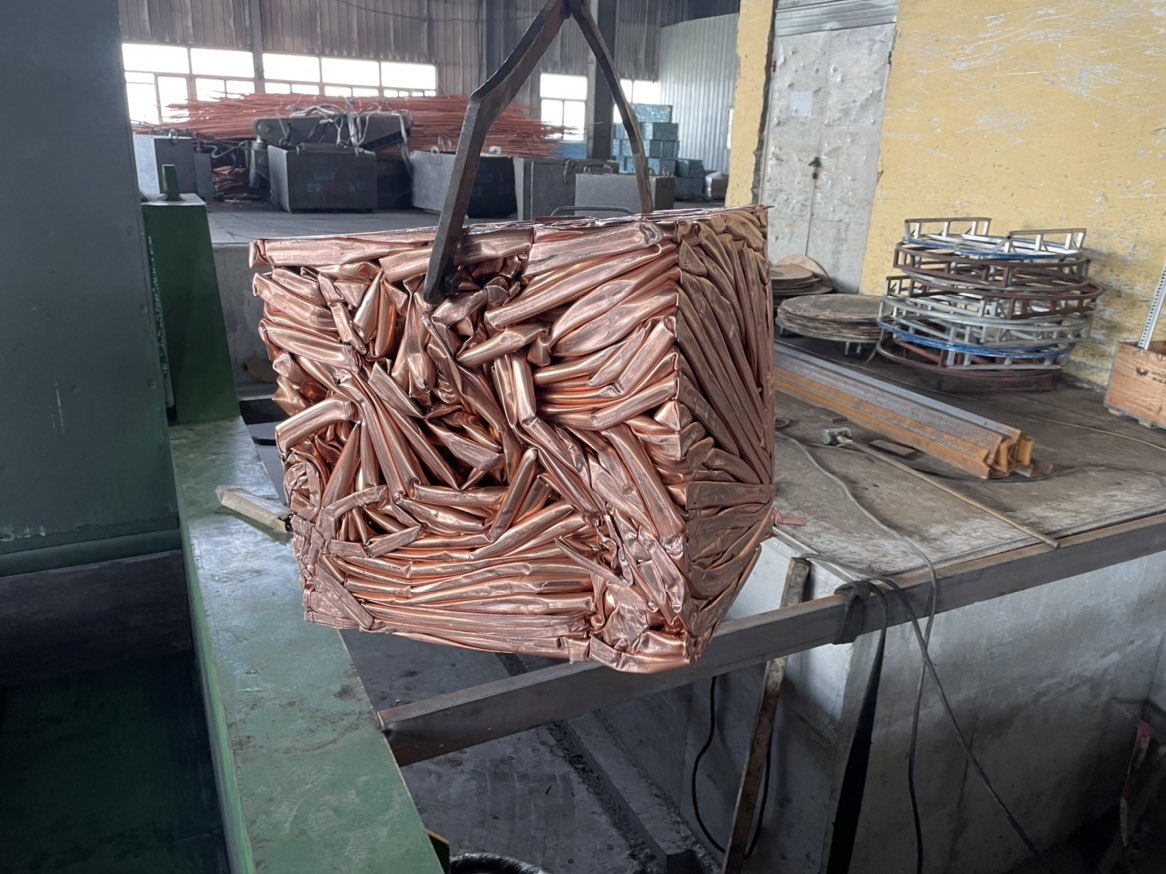
Copper Tube Scrap Baling & Recycling
Prepare copper tube offcuts, pipes and bent tubing for hydraulic baling to reduce volume, simplify storage and improve non-ferrous scrap handling.
Read application guide ↗07 / QUESTIONS & SUPPORT
Product questions,
answered.
Frequently Asked Questions
Answers specific to this material and the side-push layout.
Can this baler process copper wire and copper tube in the same way?
Not automatically. Tubes, sheet offcuts, short wire and long tangled strands load and compact differently. Describe each stream separately and confirm the permitted piece dimensions and preparation method. Combining material is appropriate only when both the machine review and the receiving recycler allow that mixture.
Will baling remove cable insulation?
No. Hydraulic compaction does not strip insulation or separate copper from plastic. Identify insulated cable before selection and confirm its required processing route. Do not describe an insulated-cable bale as clean copper merely because its volume has been reduced.
Can copper and brass be placed in one bale?
That depends on the receiving specification, not simply the baler. Keep them separate when the recycler purchases separate grades. Record alloy and contamination requirements before approving a mixed stream; compaction cannot recover the grade separation lost during loading.
What does side-push discharge change in a copper workshop?
It places the receiving and removal route beside the baler. Check the side outlet, forklift movement, stored scrap and maintenance access together. Rollers or other discharge accessories are part of the supply only when specified in the agreed machine configuration.
How should copper bale weight be determined?
Confirm the selected chamber and bale dimensions, representative feed and the downstream handling requirement. Measure produced bales during an agreed trial. Do not treat an overall series range or a photograph as a guaranteed weight for tubing, wire and sheet scrap alike.
What information is needed for a copper-baler quotation?
Provide material photographs, grade, dimensions, contamination, daily operating pattern, desired bale form, electrical supply and side-discharge space. If several copper streams will share the machine, identify each one. The quotation should state the matched model, controls, accessories and any agreed performance conditions.
Equipment Recommendation
Tell Us About Your Material and Capacity
Share the key operating conditions below so our team can compare suitable equipment and prepare a practical configuration.