
Metal Balers
Side-Push Metal Baling Press for Fabrication Scrap
Keep Fabrication Scrap Traceable From Workstation to Bale
Keep Fabrication Scrap Traceable From Workstation to Bale. Review prepared feed, downstream requirements and the HBT side-push configuration before ordering.
PRODUCT VIDEO
Side-Push Metal Baling Press for Fabrication Scrap video
01 / PRODUCT DESCRIPTION
Keep Fabrication Scrap Traceable From Workstation to Bale
Application selection for the existing HBT side-push family.
Keep Fabrication Scrap Traceable From Workstation to Bale
Keep Fabrication Scrap Traceable From Workstation to Bale. Review prepared feed, downstream requirements and the HBT side-push configuration before ordering.
A Side-Push Metal Baling Press for Fabrication Scrap can be reviewed for suitable prepared thin-metal offcuts collected from fabrication work. The HBT family compresses an accepted charge hydraulically and ejects the bale sideways. The useful application question is how scrap moves from several workstations into a controlled feed stream without losing its material identity or collecting unrelated workshop waste.
Fabrication scrap is not one uniform material. Cutting, bending, assembly and welding can produce pieces with different shapes, surface conditions and attachments. A job using thin sheet does not make heavy plate remnants, solid bar ends or tube assemblies automatically suitable for the same configuration. Identify the actual collected forms before asking for a machine selection.
The sheet metal application explains the general feed form. This guide adds job-based collection and workshop routing, rather than presenting another identical machine model under a different commercial name.
02 / MATERIALS & OUTPUT
Separate and Describe the Material Streams
Identify the actual feed and preparation needed before compaction.
Use the job’s material list to define separate collection streams. Suitable prepared steel sheet trim, aluminum offcuts and other individually approved thin-metal streams should retain their identity. Do not combine known alloys with unidentified pieces simply to empty a collection area. The intended buyer may need separation even when two streams appear mechanically similar.
Distinguish clean pre-assembly offcuts from material generated after coating, adhesive application or welding. Record oil, paint, backing and attachments for the suitability review. A baler is not presented here as a cleaning or coating-removal process, and a change in the production stage can change the acceptance decision.
Keep tool fragments, grinding waste, welding debris, fasteners and general rubbish out of the accepted collection bins. Heavy sections and assembled pieces need their own route. Material images illustrate separate recognizable streams; they do not establish that the machine accepts every object made from those metals or that the pictured items are its tested output.
The four visual references show sheet or formed offcuts, corrugated sheet with visible nonmetal layers, aluminum profile offcuts and discarded stainless sheet casings or panels. These forms need different preparation decisions. Layered material and attached casings are not ready-to-load examples: identify the construction, remove unacceptable components through a separate agreed route and review the remaining prepared metal. None of the photographs demonstrates a machine trial or guaranteed output.
04 / WORKING PRINCIPLE
Plan the Application Workflow
Connect material identification with loading, discharge and collection.
Assign containers at the relevant workstations and label them with the intended material stream and job reference where useful. Make the acceptance boundary understandable to the people placing scrap in the container: describe the allowed form and the obvious exceptions, not only the broad word metal.
Review the collection record when a work order or process changes. A new sheet grade, a coated batch or a move from cutting to welded assembly may require a different route. Inspect material before it reaches the baler and provide a designated place for uncertain pieces. Do not depend on the operator to discover every mismatch after a mixed charge has entered the chamber.
Plan transfer from each collection point without assuming a continuously connected production line. The technical layout should address staging, the approved loading method, side-discharge clearance and bale collection. Keep inspection access and pedestrian movement separate from operating hazards, using the machine supplier’s guarding and isolation instructions.
05 / TECHNICAL REFERENCE
Selected HBT Technical Attributes
Five supported reference attributes, not a fabricated model rating.
These attributes describe the HBT side-push equipment family. Options and site-specific arrangements must be confirmed in the selected technical configuration.
| Technical attribute | HBT reference |
|---|---|
| Model series | HBT |
| Drive type | Hydraulic |
| Machine layout | Horizontal |
| Feeding arrangement | Manual or grabber, subject to the approved workflow |
| Bale discharge | Side push-out |
Force, chamber dimensions, bale weight and production rate are not inferred from a material title. Confirm those values against representative feedstock and the agreed machine configuration.
Operating options: full-automatic / semi-automatic, as confirmed by Dershan. The technical proposal defines the controlled actions and operator responsibilities. These option names do not establish automatic feeding, sorting, unattended operation or a guaranteed production rate.
Configuration and Acceptance Review
Agree the feed, configuration and acceptance conditions in advance.
For selection, provide a representative cross-section of actual accepted offcuts from the planned jobs. Include the largest normal pieces, thin strips or awkward shapes, surface conditions and expected changes between batches. Separately identify heavy or assembled exceptions so that they do not accidentally become part of the proposed feed envelope.
Ask the supplier to state the offered configuration and the prepared material conditions it covers. Agree how external bale form and collection will be checked, and compare those observations with the intended buyer’s requirements. No particular cycle time, staffing saving or production rate is established by the workshop application title.
Keep a simple feedback loop from the baler operator and scrap buyer to the workstation collection instructions. A rejected piece should lead to a clearer route or preparation decision, not an unsupported claim that additional pressure will solve every problem. The HBT family page remains the reference for the underlying side-discharge arrangement.
Follow the supplied equipment manual for inspections of hydraulic leakage, hose condition and protective devices, and take defective equipment out of service pending qualified assessment. Maintenance must be performed by authorized personnel after shutdown and isolation in accordance with the manufacturer’s procedure; this guide does not authorize work on pressurized hydraulic equipment.
06 / SOLUTIONS & CUSTOMER CASES
Plan the complete process.
RELATED NEWS
News & buying guides
Buying a Scrap Metal Baler: What to Include in Your RFQ
A useful scrap metal baler quotation starts with representative scrap, the buyer’s bale specification and a complete handling plan. Use this checklist to compare proposals on the same basis.
Read details ↗Scrap Metal Baler Throughput: How to Plan Real Production
Plan baler capacity around saleable output per working hour, including loading and discharge. A nominal press cycle is only one part of the production picture.
Read details ↗CUSTOMER CASES
Related project references
Each reference identifies its own equipment and project scope; it is not a test record for every material on this product page.

APPLICATIONS
Material preparation guides
These are related material guides. Follow each guide’s feedstock limits; a related material is not automatically approved for every machine configuration.
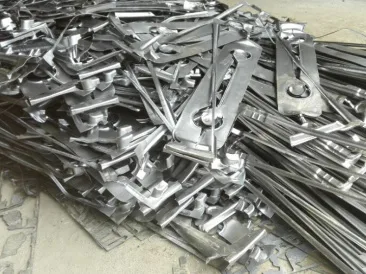
Stamping Steel Scrap Baling & Recycling
Practical sorting, preparation and equipment-selection guidance for stamping steel scrap, supported by representative material photos.
Read application guide ↗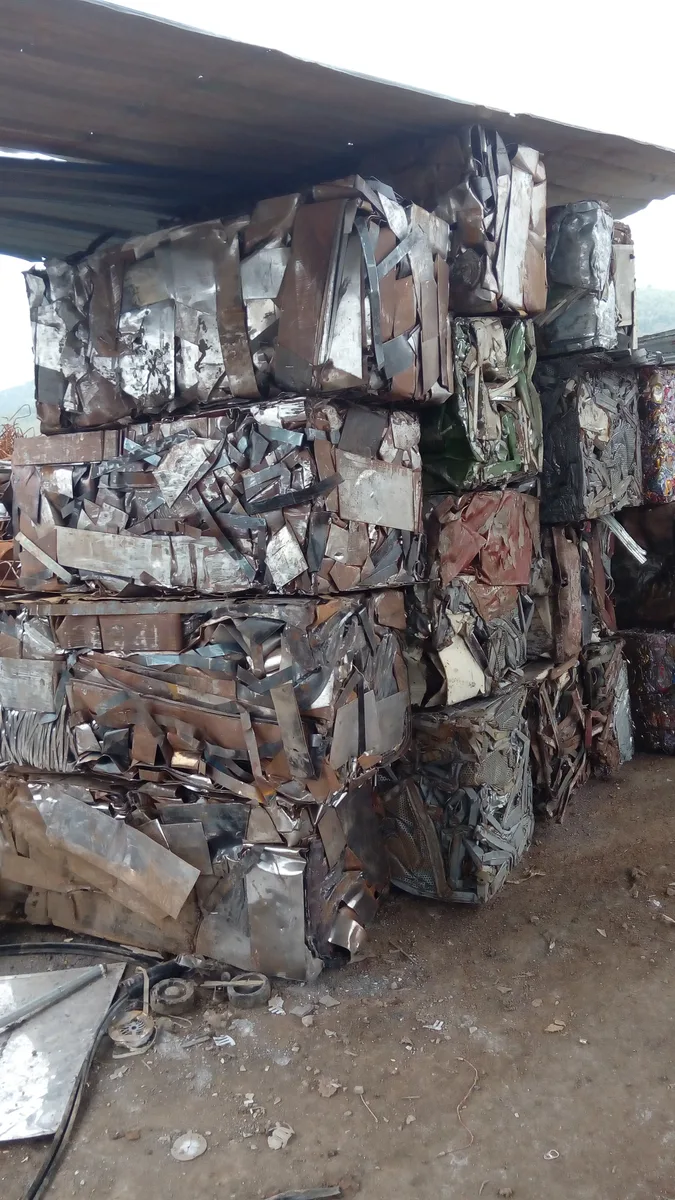
Light-Gauge Ferrous Scrap Baling
Practical sorting, preparation and equipment-selection guidance for light-gauge ferrous scrap, supported by representative material photos.
Read application guide ↗07 / QUESTIONS & SUPPORT
Product questions,
answered.
Side-Push Metal Baling Press for Fabrication Scrap FAQ
Practical answers for this application.
Can every metal item from a fabrication shop be baled?
No. This application concerns suitable prepared thin-metal offcuts reviewed for the offered configuration. Heavy plate, solid bar, tube assemblies and miscellaneous workshop waste are not automatically covered. Describe exceptional forms separately before including them in an inquiry.
Why separate scrap before and after assembly?
Assembly can introduce fasteners, adhesives, weld-related debris and other materials. Those changes matter to feed acceptance and the buyer’s specification. A clean cutting offcut and an attached assembly should not inherit the same approval merely because they began as the same sheet.
How should several workstations share one baler?
Use identified collection streams and a defined inspection and transfer procedure. Plan changes between accepted jobs or grades and keep uncertain pieces on hold. The layout and operating plan must be reviewed for the actual site; automatic connection to every workstation is not assumed.
Will the press remove oil or paint?
No cleaning or paint-removal function is claimed. Record the actual surface condition and agree any required preparation before acceptance. Compression does not establish that the resulting material meets a buyer’s contamination requirements.
Can full-automatic and semi-automatic operation be specified?
Yes, Dershan confirms both operating options. The proposal should describe the installed controlled steps and the operator’s responsibilities. Do not interpret the labels as proof of automatic scrap collection, automatic loading, unmanned running or a guaranteed output.
What makes a useful fabrication sample set?
Provide normal accepted offcuts from each intended job type, with dimensions, material references and surface-condition notes. Include photographs of excluded exceptions separately. This allows the supplier to review the real collection stream without confusing ordinary feed with occasional unsuitable workshop waste.
Equipment Recommendation
Tell Us About Your Material and Capacity
Share the key operating conditions below so our team can compare suitable equipment and prepare a practical configuration.