
Metal Balers
Side-Push Scrap Metal Baler for Foundries
Start With the Foundry Buyer’s Charge Acceptance Requirements
Start With the Foundry Buyer’s Charge Acceptance Requirements. Review prepared feed, downstream requirements and the HBT side-push configuration before ordering.
PRODUCT VIDEO
Side-Push Scrap Metal Baler for Foundries video
01 / PRODUCT DESCRIPTION
Start With the Foundry Buyer’s Charge Acceptance Requirements
Application selection for the existing HBT side-push family.
Start With the Foundry Buyer’s Charge Acceptance Requirements
Start With the Foundry Buyer’s Charge Acceptance Requirements. Review prepared feed, downstream requirements and the HBT side-push configuration before ordering.
A Side-Push Scrap Metal Baler for Foundries should be considered only after the intended foundry has defined the acceptable material and delivery form. The HBT family hydraulically compresses suitable prepared scrap and ejects the bale sideways. This application concerns the preparation and handling of approved scrap lots; it does not establish that a compacted bale is suitable for every furnace or melting practice.
A foundry destination alone says little about the feed. Different buyers may require different alloys, source controls and charge forms. Clean thin offcuts are not equivalent to heavy casting returns, runners, risers or machining residues. Those materials must not be grouped under one automatic approval simply because they originate in a foundry.
The HBT overview explains the existing machine family. This page adds a buyer-led decision process and deliberately avoids furnace operating instructions, predicted melt yield, energy savings or claims that compression changes the underlying material quality.
02 / MATERIALS & OUTPUT
Separate and Describe the Material Streams
Identify the actual feed and preparation needed before compaction.
Identify each candidate stream by alloy or grade where known, physical form, source and preparation condition. Suitable prepared thin sheet or profile offcuts may be reviewed as separate streams. A material image is a visual reference, not confirmation that all objects of that appearance are acceptable to the machine or receiving foundry.
Keep heavy castings, solid sections, runners, risers, chips and turnings outside the assumed feed envelope unless a specific reviewed configuration and preparation route establish otherwise. The presence of a metal in a foundry’s purchasing list does not mean every form of that metal belongs in this HBT application.
Record oil, coating, attached components and moisture-related observations for the buyer’s review. Do not invent universal acceptable limits. Keep unidentified or contaminated material on hold rather than compressing it to hide its condition. Separate ferrous and nonferrous streams and preserve the distinction between verified grade information and a supplier’s unconfirmed description.
The four references show sheet or formed offcuts, aluminum profile offcuts, aluminum sheet or formed pieces and bare copper wire. They illustrate separately identified candidate streams, not a mixed charge or approved foundry recipe. The copper reference does not establish acceptance of every length, coil or tangled form. Each actual prepared stream needs its own equipment and buyer review; none is portrayed as furnace-ready by the photograph.
04 / WORKING PRINCIPLE
Plan the Application Workflow
Connect material identification with loading, discharge and collection.
Begin with a buyer acceptance sheet before planning a bale. Ask the receiving organization to identify permitted sources and forms, prohibited conditions, required documentation and any delivery dimensions or handling restrictions. Clearly distinguish confirmed requirements from open questions and retain the current revision with the purchasing inquiry.
Use the approved feed description to organize collection and preparation. Give the source lot an identity, inspect its condition and keep that identity through staging and baling. If the source or grade changes, review the change before adding the material to an existing lot. Maintain a separate route for pieces that fail the acceptance check.
The mechanical layout review should address the side-discharge area and cold bale collection, storage and transport. Agree the handling method with the supplier and site team. Do not use this general guide as an instruction for introducing material into molten metal or for selecting a furnace charging procedure.
05 / TECHNICAL REFERENCE
Selected HBT Technical Attributes
Five supported reference attributes, not a fabricated model rating.
These attributes describe the HBT side-push equipment family. Options and site-specific arrangements must be confirmed in the selected technical configuration.
| Technical attribute | HBT reference |
|---|---|
| Bale discharge | Side push-out |
| Model series | HBT |
| Motor voltage | Configured for the installation electrical supply |
| Feeding arrangement | Manual or grabber, subject to the approved workflow |
| Drive type | Hydraulic |
Force, chamber dimensions, bale weight and production rate are not inferred from a material title. Confirm those values against representative feedstock and the agreed machine configuration.
Operating options: full-automatic / semi-automatic, as confirmed by Dershan. The technical proposal defines the controlled actions and operator responsibilities. These option names do not establish automatic feeding, sorting, unattended operation or a guaranteed production rate.
Configuration and Acceptance Review
Agree the feed, configuration and acceptance conditions in advance.
Request a configuration proposal against representative prepared samples and the buyer’s acceptance sheet. Ask which feed conditions were used to select the offered machine and which conditions remain unverified. The five reference attributes shown on this page are not a substitute for a configuration-specific statement of acceptable feed and delivered equipment.
A useful cold-state acceptance review checks source identification, preparation, external bale form and the planned handling method. Any foundry approval of the resulting material remains a separate decision. A compact appearance cannot establish internal cleanliness, alloy chemistry or suitability for a particular charging system.
Retain the receiving feedback for each trial or initial delivery. Where a lot is rejected, isolate it and review the stated reason rather than assuming a different compression setting will solve the problem. Baling can organize a suitable stream for handling, but it is not a treatment for unsuitable metallurgy or an assurance of remelting performance.
Follow the supplied equipment manual for inspections of hydraulic leakage, hose condition and protective devices, and take defective equipment out of service pending qualified assessment. Maintenance must be performed by authorized personnel after shutdown and isolation in accordance with the manufacturer’s procedure; this guide does not authorize work on pressurized hydraulic equipment.
06 / SOLUTIONS & CUSTOMER CASES
Plan the complete process.
RELATED NEWS
News & buying guides
Buying a Scrap Metal Baler: What to Include in Your RFQ
A useful scrap metal baler quotation starts with representative scrap, the buyer’s bale specification and a complete handling plan. Use this checklist to compare proposals on the same basis.
Read details ↗Scrap Metal Baler Throughput: How to Plan Real Production
Plan baler capacity around saleable output per working hour, including loading and discharge. A nominal press cycle is only one part of the production picture.
Read details ↗CUSTOMER CASES
Related project references
Each reference identifies its own equipment and project scope; it is not a test record for every material on this product page.

APPLICATIONS
Material preparation guides
These are related material guides. Follow each guide’s feedstock limits; a related material is not automatically approved for every machine configuration.
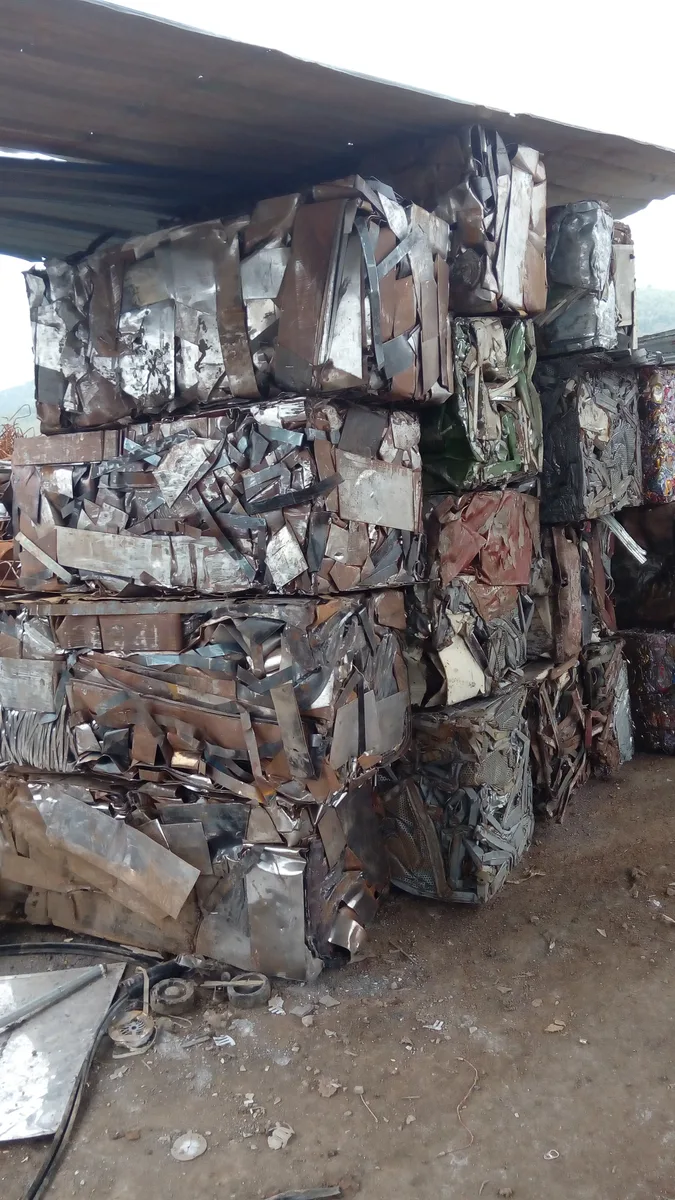
Light-Gauge Ferrous Scrap Baling
Practical sorting, preparation and equipment-selection guidance for light-gauge ferrous scrap, supported by representative material photos.
Read application guide ↗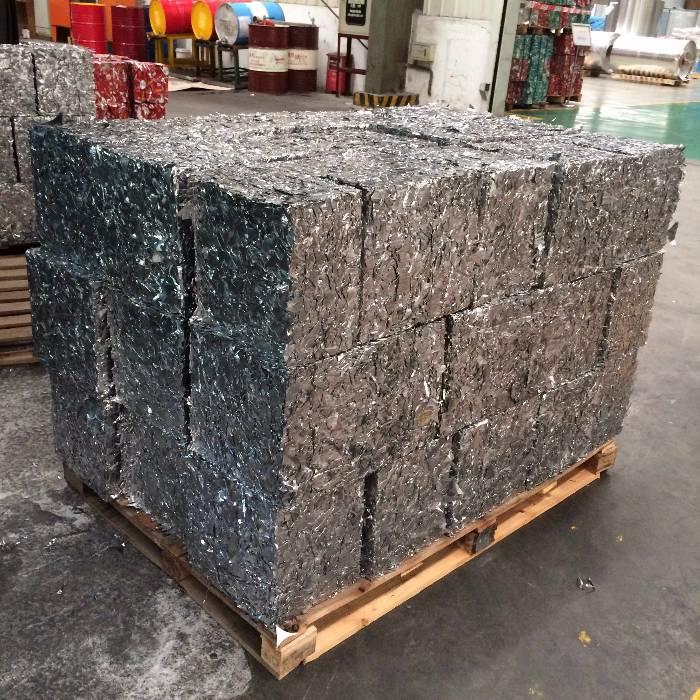
Mixed Aluminum Scrap Baling & Recycling
Sort and bale mixed aluminum scrap, cast pieces, profiles and shredded material for compact storage, traceable handling and recycling.
Read application guide ↗07 / QUESTIONS & SUPPORT
Product questions,
answered.
Side-Push Scrap Metal Baler for Foundries FAQ
Practical answers for this application.
Does a foundry application imply universal furnace compatibility?
No. The receiving foundry must approve the material and delivery form for its own operation. This guide does not establish furnace compatibility or provide charging instructions. Confirm the buyer’s requirements before using them to select a baling configuration.
Can runners, risers and heavy castings be processed?
They are not included automatically. Heavy or solid returns differ from prepared thin offcuts and require a separate suitability review. A shared metal grade or foundry origin is not evidence that the same HBT feed limits apply to those forms.
What about chips and turnings?
Do not assume they are covered by this application. Their form, contamination and handling needs differ from suitable sheet offcuts. Describe them separately and obtain a specific equipment recommendation rather than adding them to an approved thin-scrap batch. See the metal-chip briquetting press guide for a separate equipment discussion.
Can this page promise a melt-yield improvement?
No. No verified melt-yield or energy result is supplied here. Buyer acceptance, alloy identity and actual downstream performance must be evaluated independently. Reducing loose volume is not proof of a particular remelting result or financial return.
Which control options can be requested?
Dershan confirms full-automatic and semi-automatic options. Ask the technical proposal to define the controlled actions and operator duties. The option names do not establish unattended running, automatic feed preparation or any particular production rate.
What should the buyer confirm first?
Confirm the accepted source, grade, physical form, contamination conditions, delivery documentation and bale handling restrictions. Provide the supplier with the current requirements and representative feed. Keep unresolved limits explicitly open rather than filling them with assumed values.
Equipment Recommendation
Tell Us About Your Material and Capacity
Share the key operating conditions below so our team can compare suitable equipment and prepare a practical configuration.