
Metal Balers
Side-Push Stainless Steel Scrap Baler
HBT side-push equipment selection for stainless steel scrap
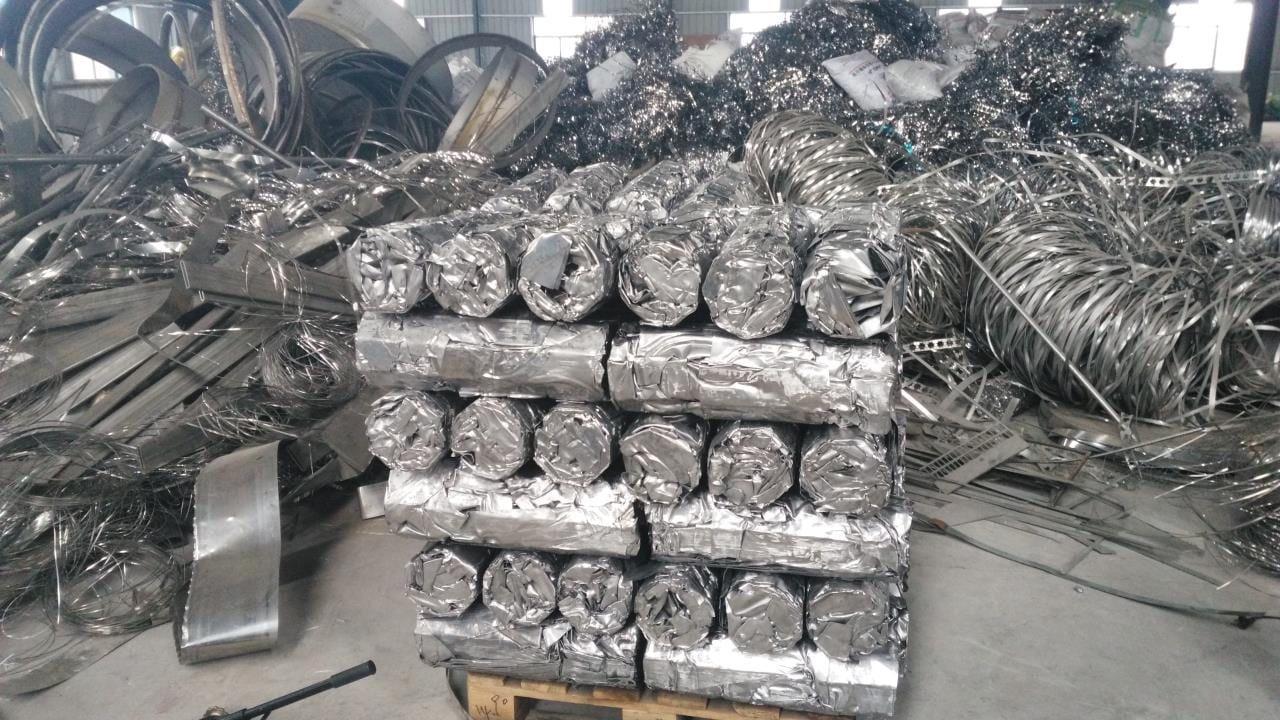
A Side-Push Stainless Steel Scrap Baler is evaluated for prepared stainless sheet and fabrication offcuts that match the selected machine's loading and compression limits. The HBT horizontal hydraulic layout forms rectangular scrap bales and ejects them sideways into an agreed receiving area.
PRODUCT VIDEO
Side-Push Stainless Steel Scrap Baler video
01 / PRODUCT DESCRIPTION
Side-Push Stainless Steel Scrap Baler Overview
Material-specific equipment selection and practical boundaries.
Side-Push Stainless Steel Scrap Baler: Material Preparation and HBT Selection
Material-specific preparation, handling and configuration guidance for the HBT side-push machine family.
A Side-Push Stainless Steel Scrap Baler is evaluated for prepared stainless sheet and fabrication offcuts that match the selected machine's loading and compression limits. The HBT horizontal hydraulic layout forms rectangular scrap bales and ejects them sideways into an agreed receiving area.
Stainless scrap requires more than a material-name match. Alloy grade, thickness, formed shapes, springback and contamination affect how the charge behaves. This page focuses on reviewing thin production offcuts and similar prepared material; it does not claim that every HBT configuration can accept heavy stainless sections, solid castings or oversized assemblies.
The HBT side push-out product overview explains the base layout. Final suitability for a stainless stream should be established from representative material and the selected technical proposal, including the bale condition required for safe downstream handling.
02 / MATERIALS & OUTPUT
Material Preparation and Grade Control
Prepare a controlled feed before evaluating bale formation.
Maintain the alloy separation requested by the receiving recycler. Keep stainless grades and carbon-steel scrap identifiable rather than using a single mixed pile for convenience. A compact bale makes storage easier to organize only when its material identity remains clear.
- Flat and formed offcuts: describe thickness, maximum length, folded edges and curved sections. Confirm which pieces need preparation before they enter the chamber.
- Springback: include representative material that tends to open or change shape after compression. The acceptance review should cover the bale after ejection and during normal handling.
- Attachments and contamination: identify fasteners, seals, coatings, liquid residues and other materials. Agree which must be removed for the receiving specification and safe processing.
Do not assume a machine approved for thin stainless sheet is also approved for thick bars, heavy cuttings or complete equipment. Unknown or sealed components must be excluded from the charge until assessed. Keep the feed free of batteries, pressurized items and hazardous contamination, and use the approved method for moving sharp-edged scrap.
04 / WORKING PRINCIPLE
Side-Push Baling Workflow
Coordinate loading, compression, side ejection and removal.
Prepare a traceable charge.
Identify the stainless lot and inspect it against the approved material limits. Keep rejected pieces away from the feeding position.
Load without bridging.
Use the specified loading arrangement and permitted charge size. Do not push obstructed pieces by hand or improvise a way around the protective equipment.
Contain and compress.
Follow the machine's hydraulic sequence with the guards and interlocks in their required condition. The selected controls must match the actual supplied configuration.
Receive the bale sideways.
Clear the protected discharge zone, remove the bale using the agreed equipment and inspect its handling condition before storage.
Routine checks should include the chamber, specified wear components, hydraulic hoses and discharge path. Stainless feed does not justify extending maintenance intervals or disregarding wear. Isolate the machine and stored energy under the operating instructions before cleaning, adjustment or removing trapped material.
05 / TECHNICAL REFERENCE
Selected HBT Mechanical Properties
Five sourced properties for the HBT side-push configuration.
These attributes describe the HBT side-push equipment family. Options and site-specific arrangements must be confirmed in the selected technical configuration.
| Technical attribute | HBT reference |
|---|---|
| Bale discharge | Side push-out |
| Control options | PLC automatic or manual, as specified |
| Model series | HBT |
| Motor voltage | Configured for the installation electrical supply |
| Machine layout | Horizontal |
Force, chamber dimensions, bale weight and production rate are not inferred from a material title. Confirm those values against representative feedstock and the agreed machine configuration.
Machine Selection and Acceptance
Specify the real feed, handling arrangement and acceptance criteria.
Start the selection discussion with the actual stainless grade and material form. Supply photographs showing the complete pieces, not only a close-up surface. Add thickness, maximum dimensions, bulk condition, operating hours and the required bale envelope. Identify the handling equipment and space beside the proposed installation.
A useful acceptance trial includes representative difficult pieces as well as the usual feed. Record preparation, loading, compression, ejection, collection and any rework. Assess whether the resulting bale meets the receiving customer's requirements after the normal handling steps. A short cycle alone does not establish practical capacity or bale stability.
Ask for the selected model's limits and the specified chamber or wear arrangement rather than assuming all stainless grades use the same configuration. There is no universal stainless output figure on this page. Send Dershan your stainless scrap specification so that the equipment review can address your actual production stream.
06 / SOLUTIONS & CUSTOMER CASES
Plan the complete process.
RELATED NEWS
News & buying guides
Buying a Scrap Metal Baler: What to Include in Your RFQ
A useful scrap metal baler quotation starts with representative scrap, the buyer’s bale specification and a complete handling plan. Use this checklist to compare proposals on the same basis.
Read details ↗Scrap Metal Baler Throughput: How to Plan Real Production
Plan baler capacity around saleable output per working hour, including loading and discharge. A nominal press cycle is only one part of the production picture.
Read details ↗CUSTOMER CASES
Related project references
Each reference identifies its own equipment and project scope; it is not a test record for every material on this product page.

APPLICATIONS
Material preparation guides
These are related material guides. Follow each guide’s feedstock limits; a related material is not automatically approved for every machine configuration.
07 / QUESTIONS & SUPPORT
Product questions,
answered.
Frequently Asked Questions
Answers specific to this material and the side-push layout.
Can the baler handle every type of stainless steel scrap?
No. Prepared thin sheet and fabrication offcuts require a different review from heavy sections, castings or assembled equipment. Confirm alloy, thickness, dimensions and piece shape for the selected machine. A stainless application title is not an unrestricted processing approval.
Why should stainless grades remain separated?
The receiving recycler may specify different grades and contamination limits. Mixing them during loading can remove traceability and affect downstream acceptance. Keep the sorting and identification procedure aligned with the buyer’s requirements; the baler compacts material but does not identify its alloy.
How should springback be checked?
Use representative material in a trial and inspect the bale after side ejection and normal movement. Agree the acceptable dimensions and handling condition beforehand. Do not infer stable bale formation from compression force alone or from a photograph of a different scrap stream.
Does stainless scrap always need a special wear package?
The selected machine review should address the actual material and operating duty. Do not assume a particular liner, component material or wear-life guarantee unless it is specified in the proposal. Inspect the chamber and fitted wear components according to the manufacturer’s instructions.
Can thick stainless plate be added to a thin-offcut charge?
Only if that material falls within the explicitly approved configuration and preparation limits. Do not use thin-offcut suitability as permission to add heavy plate. Provide the maximum section and dimensions during selection so any separate preparation requirement can be established.
What should a stainless baling trial record?
Record alloy identification, piece dimensions, preparation, charge condition, loading method and the selected machine configuration. Include elapsed working time and bale condition after discharge. State which material variations were tested and which remain outside the acceptance scope.
Equipment Recommendation
Tell Us About Your Material and Capacity
Share the key operating conditions below so our team can compare suitable equipment and prepare a practical configuration.