
Metal Balers
Front-Out HBQ Baler for Manual Loading of Aluminum Cans
Plan an HBQ front-out baler for manually loaded aluminum cans. Review feed preparation, control options, collection space and practical acceptance checks.
PRODUCT VIDEO
Front-Out HBQ Baler for Manual Loading of Aluminum Cans video
01 / PRODUCT DESCRIPTION
Product Overview
Purpose, machine structure and its role in the recycling process.
Manual can handling with a defined front collection area
This Front-Out HBQ baler is a purchasing option for operations that collect aluminum beverage cans in manageable batches and intend to load them manually. The important selection question is not simply whether the machine can compress a can. It is whether the complete arrangement lets operators receive, inspect, load and collect material without mixing incompatible tasks in the same working space.
In a front-out arrangement, the compressed material is discharged toward the front collection end. That direction must be considered before choosing a location. A convenient loading position is of limited value if finished bales obstruct the operator's route or the collection vehicle needs to cross the loading area. Provide a layout drawing, sample can material and a description of the intended handling method when discussing the configuration.
This page focuses on manual loading decisions rather than promising a particular labor saving or production rate. Actual output depends on the selected machine, can preparation, batch size and the way material arrives.
02 / MATERIALS & OUTPUT
Applications & Materials
Suitable scrap materials, industries and operating scenarios.
Prepare a consistent aluminum can stream
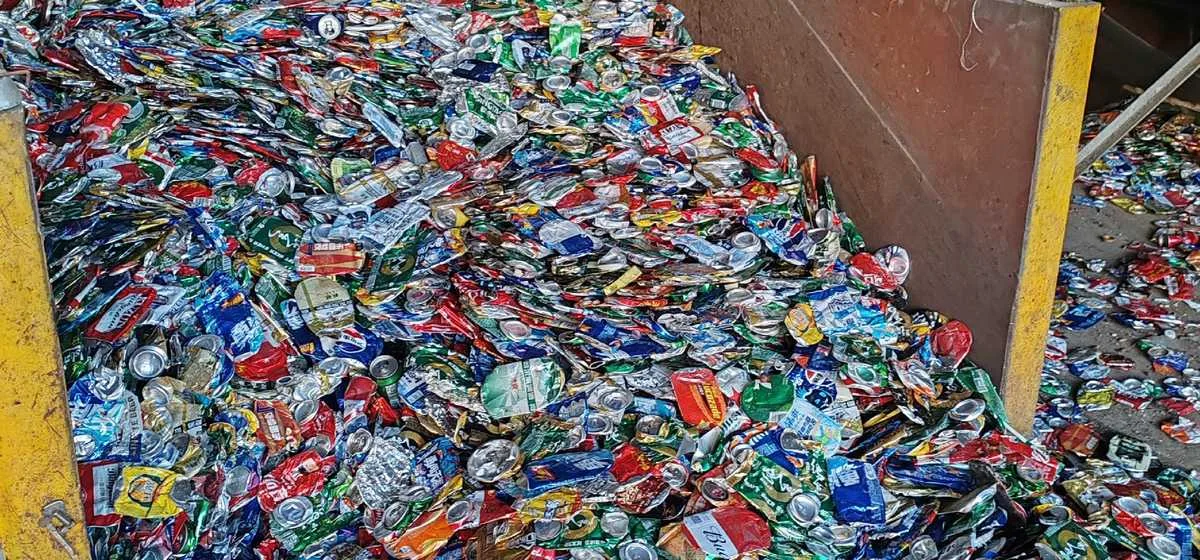
Use sorted, emptied aluminum beverage cans that meet the receiving recycler's requirements. Cans may arrive loose or flattened, but the purchasing sample should reflect the mixture that will actually be handled. Remove glass, stones, unrelated steel items and other unwanted material before loading. Keep batteries, aerosols, pressurized containers and hazardous residues out of the stream.
Manual handling makes the quality of collection containers especially important. Inspect containers for sharp mixed scrap, trapped liquid and items hidden below the top layer. Specify suitable handling containers and personal protective equipment through the site's risk assessment; do not assume that a baler removes the need for sorting or safe lifting practices.
Show the supplier the largest intended loading container and explain how its contents will reach the chamber. Confirm a practical loading height and access arrangement rather than assuming the machine can accept any bin, bag or tipping method.
03 / STRUCTURE & FEATURES
Equipment features.
Features & Benefits
Operational advantages and configuration benefits for buyers.
Features to evaluate for a manually supplied installation
Hydraulic compression: the HBQ reference describes a hydraulic machine. Its value in this application is controlled compaction of prepared cans into a more manageable form, with the final bale specification agreed for the receiving operation. No fixed density or bale weight is promised here.
Front collection planning: a defined discharge end can help separate finished material from incoming collection containers when the layout provides enough room. Confirm the discharge clearance and the collection method on the actual machine drawing.
Configuration choice: the supplied reference lists manual and PLC automatic control alternatives. Manual material loading does not mean that every hydraulic movement must use manual control, nor does PLC control mean automatic feeding. Agree the operating sequence and supplied controls before ordering.
Maintainable working surfaces: interchangeable wear plate is listed in the reference. Ask which surfaces are replaceable on the proposed configuration and how maintenance access will be provided. Material preparation and routine inspection remain necessary even when replaceable components are available.
04 / WORKING PRINCIPLE
Operation & Maintenance
Practical guidance for safe operation and routine maintenance.
Plan the working sequence before accepting the machine
Receive and inspect: establish a marked area for incoming cans and a separate place for rejected material. Check the contents before they reach the loading position.
Load approved batches: follow the supplied operating manual and the site-approved handling method. Do not reach into the chamber or attempt to reposition scrap while movement is possible. The permitted loading procedure must be demonstrated for the actual equipment.
Run the agreed compression cycle: use only the controls and sequence supplied for the selected configuration. Do not infer unattended operation or a particular safety function from the word automatic.
Collect the bale: keep people and collection equipment out of the discharge zone during movement. Use an agreed handling method appropriate to the actual bale, and maintain an unobstructed route to storage.
For acceptance, test representative cans and observe the complete workflow, including loading delays, collection and cleanup. Confirm the documentation, maintenance access and operator training required for the installation. Record any agreed bale dimensions and weight against the specific configuration rather than a general series range.
Inspect for leaks, loose connections and accumulated debris as directed by the manual. Isolate the machine using the documented procedure before maintenance or obstruction clearance. Never substitute a generic website description for equipment-specific safety instructions.
The linked Australian 200-ton front-discharge aluminum project is a layout reference, not proof of this HBQ can feed or configuration.
Front-Out Baler Reference Video: user-selected equipment/process reference, not evidence of this exact feed, configuration or output.
05 / TECHNICAL REFERENCE
Technical Parameters
Key selection data and model-dependent specification ranges.
Six selected mechanical reference attributes
The following entries are drawn from the supplied HBQ series worksheet. They describe listed attributes or available specifications, not a single verified machine assembled from random options. Confirm the complete model, supply and order configuration before purchase.
Steel plate thickness: 12–30 mm series reference range; selected construction to be confirmed.
Feeding options: Grabber or manual, according to the agreed installation.
Drive: Hydraulic drive.
Steel plate: Q235B.
Oil tank volume: 800–3000 L series reference range; selected model to be confirmed.
Wear plate options: NM450 or Hardox450; confirm the ordered option.
Where a range or alternative is shown, it belongs to the series reference. It does not mean that one machine covers every value or includes every option.
06 / SOLUTIONS & CUSTOMER CASES
Plan the complete process.
RELATED NEWS
News & buying guides
Aluminum Can Baler Selection: Bale Size, Throughput and Feeding
Start with the cans you collect and the bales your buyer accepts. Connect daily volume, feeding, collection and transport before selecting a machine.
Read details ↗Front-Out vs. Side-Push Metal Balers: Which Fits Your Scrap Yard?
The direction a bale leaves the machine can shape your entire handling route. Compare front and side discharge before committing valuable yard space.
Read details ↗CUSTOMER CASES
Related project references
Each reference identifies its own equipment and project scope; it is not a test record for every material on this product page.

APPLICATIONS
Material preparation guides
These are related material guides. Follow each guide’s feedstock limits; a related material is not automatically approved for every machine configuration.
07 / QUESTIONS & SUPPORT
Product questions,
answered.
Delivery, Service & FAQ
Delivery scope, technical support and frequently asked questions.
Frequently asked questions
Does manual loading mean manual hydraulic control?
No. Loading method and control method are separate choices. The HBQ reference lists manual or PLC automatic control alternatives; the order should identify the exact combination and the operating sequence supplied.
Can loose and flattened beverage cans be mixed?
They may be assessed as part of the intended feed stream, but provide representative samples first. Their proportions and preparation can affect loading behavior and the agreed bale result. Acceptance criteria should reflect actual incoming material.
Can an operator push cans into the chamber by hand?
Do not assume this is permitted. Use only the loading method described in the equipment manual and approved through the site risk assessment. Keep hands and tools away from areas where machine movement can occur.
How much room is needed at the front?
The required clearance depends on the selected machine, discharge travel and bale collection method. Obtain a layout drawing and include storage, walking routes and collection equipment in the review.
What production rate should we expect?
There is no universal rate for a manually loaded installation. Request an assessment using your material, available labor and collection arrangement, then confirm performance expectations for the proposed configuration.
Does the reference video show this exact installation?
No. The linked video is a user-designated front-out equipment reference. It is not proof of this page’s specific material test, manual loading procedure, production rate or ordered configuration.
Equipment Recommendation
Tell Us About Your Material and Capacity
Share the key operating conditions below so our team can compare suitable equipment and prepare a practical configuration.