
Metal Balers
Front-Out Y81Q Baler for Electrical Enclosure Steel Offcuts
Separate punched sheet remnants from assembled electrical equipment
Review a front-out baler for electrical enclosure steel offcuts, with checks for punched shapes, coatings, loading and traceable collection.
PRODUCT VIDEO
Front-Out Y81Q Baler for Electrical Enclosure Steel Offcuts video
01 / PRODUCT DESCRIPTION
Electrical Enclosure Offcut Baling
Purpose, machine structure and its role in the recycling process.
Start with fabrication scrap from the enclosure workshop
Electrical enclosure production produces several different steel scrap forms: flat panel skeletons after punching, narrow edge trim, and approved rejected formed parts. The Front-Out Y81Q Baler for Electrical Enclosure Steel Offcuts addresses those identifiable manufacturing streams. It does not cover complete electrical cabinets, energized equipment or mixed electronic waste. An accurate enquiry begins with the stage of production at which the material becomes scrap.
Keep the purchasing discussion specific. A flat offcut with holes behaves differently during handling from a folded enclosure corner with projecting tabs. Photograph representative pieces with dimensions and identify the steel grade, coating, thickness and attachments. These details let the supplier assess the proposed chamber and loading arrangement instead of choosing a machine from the product name alone.
02 / MATERIALS & OUTPUT
Prepared Sheet-Metal Feedstock
Suitable scrap materials, industries and operating scenarios.
Control what reaches the loading area
Sort bare, galvanized and painted steel according to the receiving recycler's requirements. Remove wiring, seals, plastics, electronic components and other attachments through the site's approved preparation process. Reject unknown or contaminated material rather than assuming that compression will make a mixed stream acceptable. No part of this enquiry authorizes loading sealed containers, pressurized items, hot scrap or hazardous waste.
Punched remnants may have thin webs, hooks and sharp edges. Record the largest overall piece as well as the smallest loose fragments and explain whether pieces arrive nested together. Ask which forms need preparation before loading. Do not reach into the chamber to arrange a snagged skeleton; the machine-specific isolation and clearing procedure must govern such work.
For a stream dominated by small punchings, compare the thin steel punching scrap guidance. A machine reviewed for one prepared form should not automatically be treated as approved for the workshop's entire scrap output.
03 / STRUCTURE & FEATURES
Equipment features.
Practical Features and Selection Benefits
Operational advantages and configuration benefits for buyers.
Evaluate benefits at the fabrication-to-recycling handover
Hydraulic compression and forward discharge provide a proposed route from approved loose production scrap to an identifiable finished bale. A defined receiving point can help the workshop organize collection, provided the bale remains stable and the chosen handling method is approved. Confirm the actual operating sequence and discharge geometry for the offered Y81Q machine; the source workbook supplies front-out series references rather than a complete Y81Q design.
Keeping enclosure grades and finishes separate can support clearer outgoing descriptions and reduce uncertainty when the recycler inspects a batch. That benefit depends on correct sorting and labels. It is not a promise of a higher scrap price or a guarantee that painted or galvanized scrap will be accepted by every receiver.
Choose controls and loading methods around the actual workforce and container movements. PLC control, manual control and optional remote control are source-listed alternatives, not evidence of automatic feeding or unattended operation. Reserve the forward collection space before placing the baler beside a punching or folding line.
04 / WORKING PRINCIPLE
Operation, Acceptance and Maintenance
Practical guidance for safe operation and routine maintenance.
Specify a representative acceptance check
Prepare samples from normal jobs and from the most difficult approved enclosure shapes. Agree what will be evaluated: safe loading, compression behavior, finished-bale condition and collection using the planned handling equipment. Record the configuration, input condition and observations. Do not substitute a general video or a series weight range for a test of the actual production stream.
During operation, maintain identified input bins and an accessible reject area. Review the machine manual for inspections of chamber wear surfaces, hydraulic connections and control devices. Stop and isolate before permitted maintenance or clearing work. Punched edges and trapped sheet can make casual reaching or improvised tools particularly dangerous.
Ask for a layout showing the loading envelope, front receiving area and service access. Use the separate loading and collection guide to discuss traffic responsibilities without assuming that barriers, conveyors or interlocks are included in the order.
05 / TECHNICAL REFERENCE
Six Series References and Options
Key selection data and model-dependent specification ranges.
Review the proposed machine configuration
The six attributes below are drawn from the supplied HBQ front-out series sheet. They are reference values or options for this enquiry, not a verified specification for a particular Y81Q model. Confirm their applicability to the proposed machine and retain the agreed model-specific values in the order. A series range does not mean one machine operates across every value, and different source ranges must not be combined into a new specification.
Front-Out Baler Reference Video is the designated equipment and process reference. It does not establish a test on this page's material or prove a particular output, configuration or customer result.
| Attribute | Series reference / option |
|---|---|
| Drive | Hydraulic drive |
| Listed electrical components | Schneider; confirm selected configuration |
| Bale-form reference | Square / cube, as listed; dimensions require confirmation |
| Series chamber-length reference | 800–2,000 mm; model dependent |
| Listed pump option | JiangSu Hengyuan; confirm order configuration |
| Listed cooling option | Fan cooling; confirm applicable configuration |
The related Germany front-discharge project is a layout and collection reference, not a Y81Q test on electrical enclosure offcuts or proof of this page’s configuration.
06 / SOLUTIONS & CUSTOMER CASES
Plan the complete process.
RELATED NEWS
News & buying guides
CUSTOMER CASES
Related project references
Each reference identifies its own equipment and project scope; it is not a test record for every material on this product page.

APPLICATIONS
Material preparation guides
These are related material guides. Follow each guide’s feedstock limits; a related material is not automatically approved for every machine configuration.
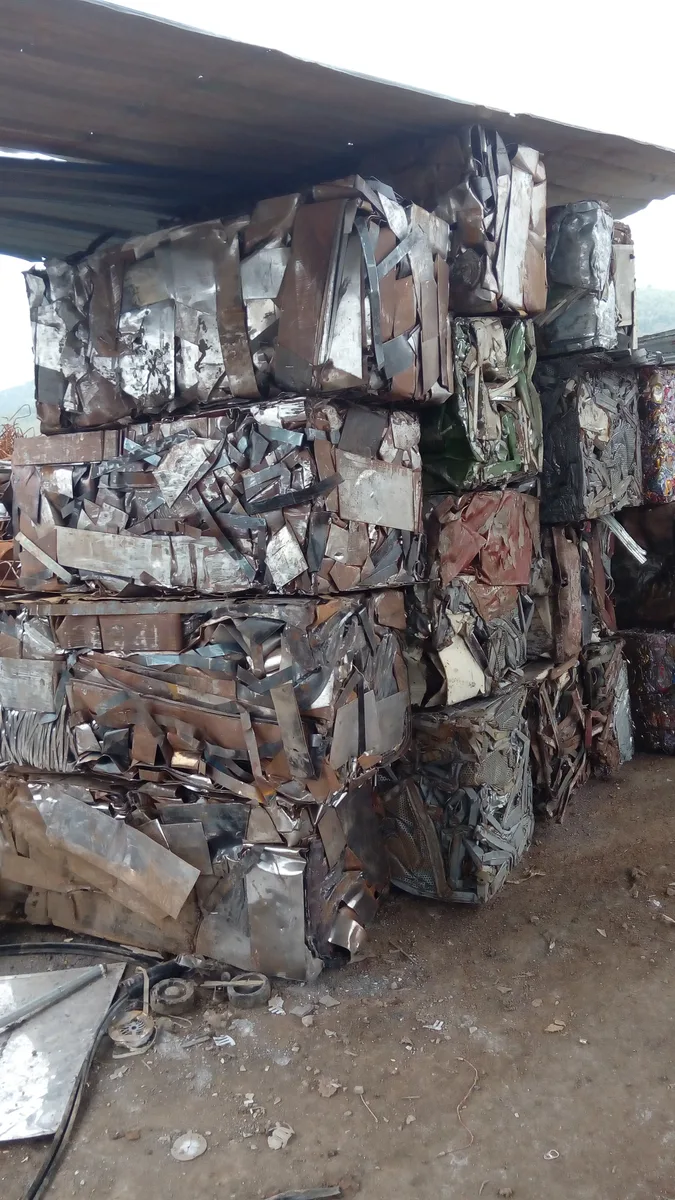
Light-Gauge Ferrous Scrap Baling
Practical sorting, preparation and equipment-selection guidance for light-gauge ferrous scrap, supported by representative material photos.
Read application guide ↗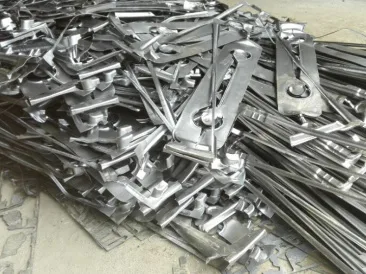
Stamping Steel Scrap Baling & Recycling
Practical sorting, preparation and equipment-selection guidance for stamping steel scrap, supported by representative material photos.
Read application guide ↗07 / QUESTIONS & SUPPORT
Product questions,
answered.
Electrical Enclosure Scrap Questions
Delivery scope, technical support and frequently asked questions.
Frequently asked questions
Can complete electrical cabinets be loaded?
This page concerns prepared manufacturing offcuts. Complete cabinets may contain wiring, insulation and other components and require a separate assessment and preparation plan.
Are galvanized and painted offcuts interchangeable?
Keep them identified and follow the recycler's acceptance requirements. Coating identity alone does not establish suitability for the proposed machine.
What dimensions should an enquiry include?
Provide thickness, overall length and width, folded depth and representative photographs. Include the largest pieces and the most awkward punched shapes.
Does the front-out arrangement connect directly to a punching line?
No automatic line connection is established. Review the front-discharge series overview and specify any separate feeding interface explicitly.
How should finished bales be identified?
Use the site's agreed grade, coating and production-batch records, keeping labels with the bale through storage and collection.
What must be confirmed before ordering?
Confirm the Y81Q model, approved material envelope, loading method, supply, control option and collection layout. Acceptance should use representative enclosure-production scrap.
Equipment Recommendation
Tell Us About Your Material and Capacity
Share the key operating conditions below so our team can compare suitable equipment and prepare a practical configuration.