
Metal Balers
Front-Out Y81Q Steel Baler for Light Ferrous Scrap Receiving Stations
Inspect and accept incoming light steel scrap before it reaches the baler
Review a front-out baler for light ferrous receiving stations with intake screening, held-material areas, preparation and acceptance records.
PRODUCT VIDEO
Front-Out Y81Q Steel Baler for Light Ferrous Scrap Receiving Stations video
01 / PRODUCT DESCRIPTION
Product Overview
Purpose, machine structure and its role in the recycling process.
Put intake decisions before the compression stage
A receiving station encounters material whose condition and preparation may vary between deliveries. The Front-Out Y81Q Steel Baler for Light Ferrous Scrap Receiving Stations focuses on establishing an accepted feed stream before selecting the baling configuration. The useful starting point is the station’s intake specification, not a broad assumption that anything sold as light steel can be compressed.
Describe the sources you expect to receive and the evidence available for their identity. Known production offcuts and unfamiliar mixed deliveries may need different review routes. The proposed front-out machine should be considered only for material that has been checked, prepared and confirmed suitable for the selected model.
02 / MATERIALS & OUTPUT
Prepared Materials
Suitable scrap materials, industries and operating scenarios.
Keep held material away from accepted feed
Define the dimensions, thicknesses, shapes and condition permitted at intake. Ask suppliers or delivery partners for the information needed to evaluate uncertain loads. Visual inspection can reveal obvious problems but does not prove composition or freedom from contamination. Use appropriate competent assessment where the material history requires it.
Establish a separate position for material awaiting a decision so it cannot be loaded by mistake. Long entangled pieces, closed shapes, bulky formed parts and mixed attachments should not be accepted simply because there is spare space in the chamber. The mixed-gauge steel offcut guidance helps explain why a thickness range alone is insufficient.
Reject pressurized or sealed containers, hot material, hazardous or unknown contamination and heavy components beyond the approved specification. Keep nonferrous material and nonmetal debris out where the accepted stream is defined as ferrous. This baler is not represented as a detector, decontamination system or treatment route for hazardous waste.
If preparation is required, agree where and how it occurs before material reaches the baler. Any cutting, draining or dismantling must follow the appropriate safe process and legal requirements. Do not improvise preparation at the chamber opening or use compression to investigate an unknown item.
03 / STRUCTURE & FEATURES
Equipment features.
Features and Selection Benefits
Operational advantages and configuration benefits for buyers.
Create a clear acceptance boundary
A receiving station with a defined inspection point can keep the baler operator focused on approved feed rather than forcing a last-minute decision at loading. Marked accepted and held areas also make it easier to explain why a delivery is not yet ready for processing. These benefits depend on the site’s procedures; the machine does not make the acceptance decision.
Forward discharge establishes where the selected machine presents its finished bale. Keep this area distinct from incoming inspection and unloading so an arriving delivery does not block collection. Review the loading and collection layout guidance when planning container routes, pedestrian access and the receiving position.
Traceable intake records can support discussions with the material supplier and downstream buyer. Record the source, acceptance status and relevant condition, then retain the required identity after baling. No automated identification or reporting system is established in the series data, and compaction does not certify the grade or increase its purity.
Loading and controls should match the accepted material and site layout. A grabber or manual loading option must be confirmed for the selected configuration. Optional PLC control does not imply automatic inspection, automatic loading or unattended operation. Request the actual operating description and required safeguards.
04 / WORKING PRINCIPLE
Operation and Maintenance
Practical guidance for safe operation and routine maintenance.
Trial a realistic accepted material envelope
For an enquiry, provide representative accepted scrap and explain the variation between deliveries. Include intake criteria, maximum awkward shapes, expected contamination controls and the method used to move material to the machine. Show the supplier both routine material and the most demanding material you intend to accept.
A supplier-led acceptance trial should record the exact feed, preparation, loading method and machine configuration. Observe receiving stability and the approved collection process, and keep measured results separate from series references. Do not extend a successful demonstration to unreviewed deliveries or infer a guaranteed processing rate from a no-load cycle.
During operation, keep intake records and hold decisions current as sources change. Inspect the machine and work area according to the manual, report wear or leaks and maintain clear collection access. Stop and isolate for jam clearing, cleaning or service. A rejected load should remain rejected until its specific issue is resolved by the responsible person.
05 / TECHNICAL REFERENCE
Six Series References and Options
Key selection data and model-dependent specification ranges.
Review the proposed machine specification
The six attributes below are drawn from the user-supplied HBQ front-out series information. They are reference values or options for reviewing a proposed Y81Q installation, not a verified specification for one Y81Q model. Confirm each attribute, the approved material envelope and the selected configuration in the written quotation. Do not combine endpoints from different series ranges into a new machine specification.
Front-Out Baler Reference Video is the designated equipment and process reference. It is not evidence that the material on this page was tested, or that a particular capacity, bale weight or configuration has been achieved.
| Attribute | Series reference / option |
|---|---|
| Supply-voltage reference | 220–660 V; select the applicable supply and configuration |
| Listed cooling option | Fan cooling; confirm applicable configuration |
| No-load cycle reference | 180 seconds; no-load condition, not a production rate |
| Drive | Hydraulic drive |
| Supply frequency alternatives | 50 Hz or 60 Hz; select one applicable configuration |
| Supply phase | Three-phase; confirm installation specification |
The related Germany front-discharge project is a layout and collection reference, not a Y81Q trial of this page’s material or proof of its configuration.
06 / SOLUTIONS & CUSTOMER CASES
Plan the complete process.
RELATED NEWS
News & buying guides
CUSTOMER CASES
Related project references
Each reference identifies its own equipment and project scope; it is not a test record for every material on this product page.

APPLICATIONS
Material preparation guides
These are related material guides. Follow each guide’s feedstock limits; a related material is not automatically approved for every machine configuration.
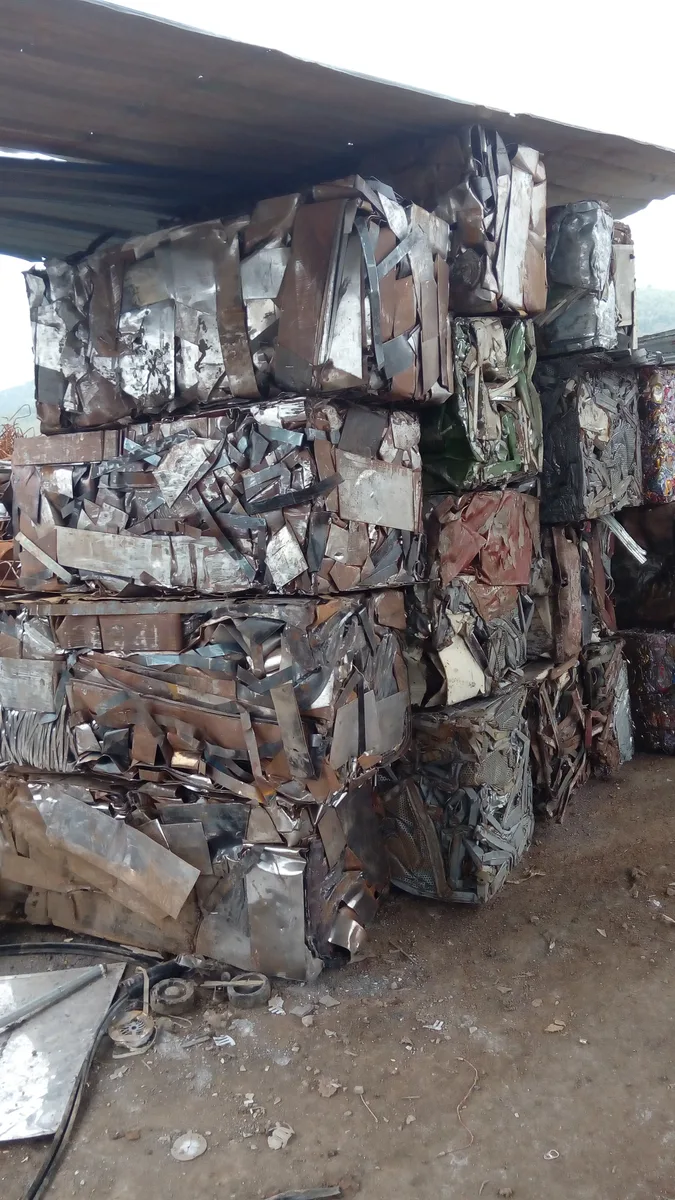
Light-Gauge Ferrous Scrap Baling
Practical sorting, preparation and equipment-selection guidance for light-gauge ferrous scrap, supported by representative material photos.
Read application guide ↗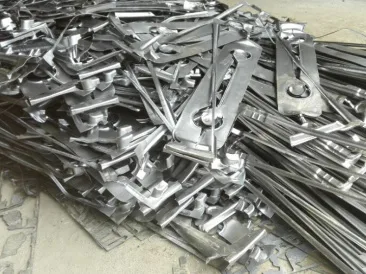
Stamping Steel Scrap Baling & Recycling
Practical sorting, preparation and equipment-selection guidance for stamping steel scrap, supported by representative material photos.
Read application guide ↗07 / QUESTIONS & SUPPORT
Product questions,
answered.
Frequently Asked Questions
Delivery scope, technical support and frequently asked questions.
Frequently asked questions
Can all material described as light ferrous scrap be accepted?
No. Confirm the actual grade, geometry, condition and preparation against the selected machine and the station’s intake requirements.
What should happen to an uncertain delivery?
Keep it in an identified holding area outside the accepted feed stream until the responsible person has resolved the missing information.
Does the baler detect sealed containers or contamination?
No such detection capability is established. Intake screening and appropriate material assessment remain necessary before loading.
Can the station process aluminum in the same routine?
That requires separate material approval and segregation planning. See the material-changeover guidance rather than treating nonferrous scrap as part of a ferrous batch.
Should incoming and outgoing quantities be compared?
Use suitable measurements and consistent record definitions where required. The batch-weighing guidance covers planning a separate finished-bale weighing step.
What is the best material sample for a trial?
Provide a representative range of accepted deliveries, including the difficult approved shapes, with their source, condition and preparation documented.
Equipment Recommendation
Tell Us About Your Material and Capacity
Share the key operating conditions below so our team can compare suitable equipment and prepare a practical configuration.