
Metal Balers
Front-Out Y81Q Steel Baler for Scrap Consolidation before Shipment
Connect approved bale collection with shipment release and load records
Plan front-out steel scrap consolidation before shipment with receiving checks, measured weights, bale identification and agreed transport limits.
PRODUCT VIDEO
Front-Out Y81Q Steel Baler for Scrap Consolidation before Shipment video
01 / PRODUCT DESCRIPTION
Product Overview
Purpose, machine structure and its role in the recycling process.
Plan the handover from baling to dispatch
Scrap consolidation before shipment involves more than producing a compact shape. A site needs to know which bales are accepted for the load, how their quantities are established and how they will be moved without obstructing the machine. The Front-Out Y81Q Steel Baler for Scrap Consolidation before Shipment addresses this interface for approved light ferrous production scrap.
The front-out arrangement offers a defined direction for receiving the bale from the selected machine. Shipment preparation remains a separately organized process, with its own handling, vehicle and buyer requirements. The supplied machine information does not establish freight savings, container loading quantities or a guaranteed finished-bale density.
02 / MATERIALS & OUTPUT
Prepared Materials
Suitable scrap materials, industries and operating scenarios.
Confirm the receiving specification before baling
Obtain the scrap buyer’s requirements for grade, contamination, dimensions and handling condition. Then ask the machine supplier to review representative material and the proposed preparation. A bale that can leave the chamber is not automatically suitable for every receiver or transport arrangement. Preserve batch identity when the load contains different accepted grades.
Review thin sheet remnants, formed offcuts and short approved trim according to their actual thickness and shape. Keep long connected strips or awkward nested pieces out until a preparation method is agreed. Do not assume that the compression stage includes a cutting function or makes heavy components acceptable.
Exclude hot scrap, sealed or pressurized items, unknown contamination and material outside the machine’s approved envelope. Keep nonmetal packaging and unrelated debris separate. If rain exposure or residual fluids affect the buyer’s acceptance, establish the site’s handling and storage requirements without claiming that the baler removes moisture or decontaminates the material.
03 / STRUCTURE & FEATURES
Equipment features.
Features and Selection Benefits
Operational advantages and configuration benefits for buyers.
Separate machine output from load release
A defined receiving point can help dispatch staff distinguish a newly formed bale from a bale already inspected and released for shipment. Use clear identification and designated positions so a delayed collection does not block the front-out working area. The forward-end forklift pickup guidance is a useful reference for discussing the pickup interface.
Consolidating records can reduce ambiguity at handover when each bale or batch has a known source, measured quantity and acceptance status. No integrated scale or shipment-management software is established by the workbook. Specify any required equipment or data connection separately and keep estimates distinguishable from measurements.
Choose finished dimensions around the agreed buyer and handling requirements, not simply the largest endpoint in a series range. Confirm the specific machine and bale form through the supplier’s review. Do not infer stackability, lifting points or suitable restraint from a rectangular appearance. These must be evaluated for the actual output and handling plan.
Keep the dispatch route separate from routine loading where practicable and approved. The loading and collection layout guidance outlines related layout questions. A shipment waiting for paperwork should have an agreed holding position that leaves operator access, maintenance clearances and required routes available.
04 / WORKING PRINCIPLE
Operation and Maintenance
Practical guidance for safe operation and routine maintenance.
Record what was actually accepted
Prepare an enquiry with the intended scrap grades, material samples, expected collection method and receiver’s requirements. Include how loads are assembled and whether several production batches share a shipment. Ask the supplier to confirm the machine-specific material limits and proposed receiving arrangement before choosing a configuration.
At acceptance, observe the actual bale leaving the machine and being collected by the approved method. Record the tested material, dimensions and measured quantity where relevant. Assess the complete sequence rather than multiplying a general cycle time by an assumed bale weight to promise a shipping output.
Before releasing a load, follow the site’s agreed checks for identity, condition and quantity. Vehicle loading, permissible weight and load restraint require the appropriate competent planning; this product page does not certify a transport method. Keep rejected or disputed bales out of the released stock until their status is resolved.
Maintain the machine according to its manual and inspect the collection area for loose scrap or obstruction. Stop and isolate before cleaning or jam clearing. A shipping deadline should not override an unresolved machine fault or a material acceptance limit.
05 / TECHNICAL REFERENCE
Six Series References and Options
Key selection data and model-dependent specification ranges.
Review the proposed machine specification
The six attributes below are drawn from the user-supplied HBQ front-out series information. They are reference values or options for reviewing a proposed Y81Q installation, not a verified specification for one Y81Q model. Confirm each attribute, the approved material envelope and the selected configuration in the written quotation. Do not combine endpoints from different series ranges into a new machine specification.
Front-Out Baler Reference Video is the designated equipment and process reference. It is not evidence that the material on this page was tested, or that a particular capacity, bale weight or configuration has been achieved.
| Attribute | Series reference / option |
|---|---|
| Supply phase | Three-phase; confirm installation specification |
| Series machine weight | 2,820–18,500 kg; model dependent |
| Bale discharge | Forward push-out |
| Series oil-tank volume | 800–3,000 L; model dependent |
| Wear-plate alternatives | NM450 or Hardox450; specify selected material |
| Supply frequency alternatives | 50 Hz or 60 Hz; select one applicable configuration |
The related Germany front-discharge project is a layout and collection reference, not a Y81Q trial of this page’s material or proof of its configuration.
06 / SOLUTIONS & CUSTOMER CASES
Plan the complete process.
RELATED NEWS
News & buying guides
CUSTOMER CASES
Related project references
Each reference identifies its own equipment and project scope; it is not a test record for every material on this product page.

APPLICATIONS
Material preparation guides
These are related material guides. Follow each guide’s feedstock limits; a related material is not automatically approved for every machine configuration.
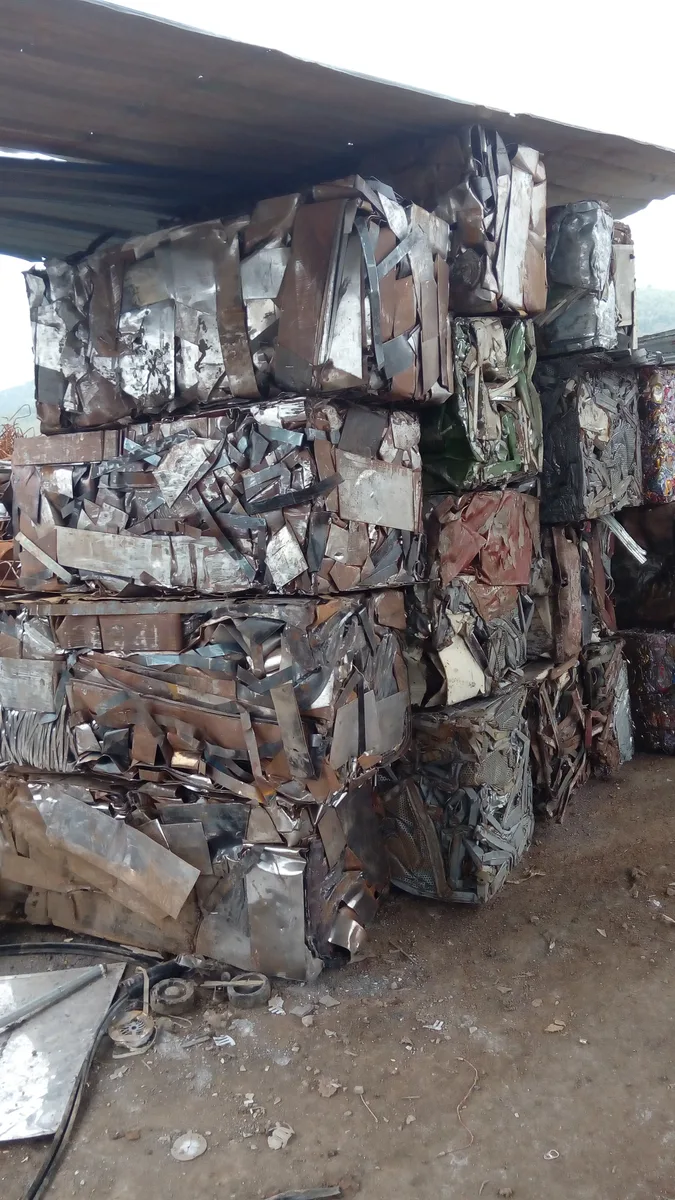
Light-Gauge Ferrous Scrap Baling
Practical sorting, preparation and equipment-selection guidance for light-gauge ferrous scrap, supported by representative material photos.
Read application guide ↗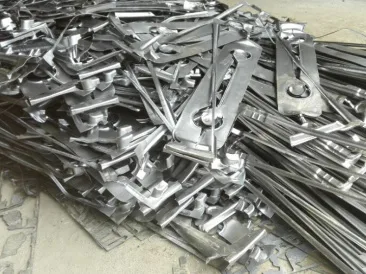
Stamping Steel Scrap Baling & Recycling
Practical sorting, preparation and equipment-selection guidance for stamping steel scrap, supported by representative material photos.
Read application guide ↗07 / QUESTIONS & SUPPORT
Product questions,
answered.
Frequently Asked Questions
Delivery scope, technical support and frequently asked questions.
Frequently asked questions
Will baling guarantee a lower freight cost?
No. Transport cost depends on the load, route, handling, receiver and actual output. No quantified freight saving is established here.
How should shipment weight be recorded?
Use suitable measured weights and the agreed gross or net basis. Review the batch-weighing guidance rather than using series bale-weight estimates.
Can every bale be stacked for shipment?
Do not assume this. Confirm stability, handling and restraint for the actual bale and transport plan with the responsible parties.
Does the machine include a scale or dispatch software?
Those features are not established by the supplied series information. Specify and confirm them separately if required.
Can different steel grades share a shipment?
Follow the buyer’s requirements and keep the relevant batches identifiable. Mixing a load does not authorize mixing its material grades within bales.
What helps confirm a suitable configuration?
Supply representative approved scrap, receiving limits, proposed pickup equipment and dispatch layout. Compare the mixed-gauge steel offcut guidance when the incoming sheet thickness varies.
Equipment Recommendation
Tell Us About Your Material and Capacity
Share the key operating conditions below so our team can compare suitable equipment and prepare a practical configuration.