
Metal Balers
Front-Out Y81Q Steel Baler for Segregated Ferrous Scrap Batches
Retain steel-grade identity from accepted container to finished bale
Review front-out baling for segregated ferrous scrap, including grade identification, changeover, contamination control and batch acceptance.
PRODUCT VIDEO
Front-Out Y81Q Steel Baler for Segregated Ferrous Scrap Batches video
01 / PRODUCT DESCRIPTION
Product Overview
Purpose, machine structure and its role in the recycling process.
Keep useful grade information through compression
Ferrous scrap is not automatically one interchangeable material grade. A workshop may need to keep different steel specifications, coatings or production sources separate to meet its buyer’s requirements. The Front-Out Y81Q Steel Baler for Segregated Ferrous Scrap Batches focuses on preserving those distinctions while assessing a front-out baler for approved light steel production scrap.
The proposed machine provides a compression and forward-discharge arrangement. It does not identify the alloy, certify the grade or make a mixed container homogeneous. Establish the required segregation rules before choosing how material will be stored, loaded and recorded. A clear batch definition is more useful than an unsupported claim about the value of the finished bale.
02 / MATERIALS & OUTPUT
Prepared Materials
Suitable scrap materials, industries and operating scenarios.
Define the accepted batch in practical terms
Agree what belongs in each batch with the relevant production and recycling teams. Record known grade, source and condition, and identify features that require separate handling, such as coated sheet, oily remnants or an uncertain material label. Use the site’s approved identification methods rather than relying on appearance alone.
Only load material that falls within the selected machine’s confirmed limits. Review thickness, dimensions and shape independently of steel grade. A correctly identified alloy can still be unsuitable because a strip is too long or a formed part cannot be loaded as proposed. Refer to the mixed-gauge steel offcut guidance when discussing the relationship between geometry and thickness.
Keep nonferrous pieces, nonmetal attachments, tooling and unrelated debris out of accepted ferrous batches. Reject sealed or pressurized containers, hot scrap, unknown contamination and unapproved heavy components. The baler is not represented as a sorting system or a treatment process for hazardous residue.
03 / STRUCTURE & FEATURES
Equipment features.
Features and Selection Benefits
Operational advantages and configuration benefits for buyers.
Make separation visible at each handover
Clearly marked incoming positions can help operators distinguish an approved batch from material awaiting a decision. Finished-bale identification can then refer back to a defined container or production lot. This supports the site’s recordkeeping when used consistently, but it does not guarantee a recycler’s grading decision or a particular selling price.
Forward discharge gives the site a known collection direction. Plan how a bale is identified after it reaches the agreed safe receiving position, without sending a person into the working area. Keep the next batch’s container away from the previous batch’s loose remnants. Compare the loading and collection layout guidance for arranging the two material movements.
At changeover, follow the manufacturer’s approved process for checking whether material remains in relevant areas. Access for inspection or cleaning must use the prescribed stop and isolation procedure. Do not assume a visually empty loading area proves that every remnant has been removed, and do not improvise cleaning while components can move.
Select controls and loading alternatives according to the actual work. Optional PLC or manual control does not establish automated grade tracking, barcode handling or automatic cleaning. If the project requires those functions, describe them explicitly and obtain a separate confirmed scope rather than treating them as standard equipment.
04 / WORKING PRINCIPLE
Operation and Maintenance
Practical guidance for safe operation and routine maintenance.
Test segregation as well as the finished shape
Before ordering, share the required batch categories, examples of acceptable material and the process for rejecting an uncertain container. Provide the expected container-to-bale record format and a layout for incoming, held and finished material. Ask the supplier to confirm the proposed preparation and loading method for each reviewed feed family.
During acceptance, record the identified material, machine configuration and conditions actually demonstrated. Check the agreed bale handling method, visible stability and transfer of batch identification. If measured weights are required, use a suitable separate weighing arrangement. A nominal series bale-weight range is not a measurement or proof of grade purity.
Routine operation should retain the same acceptance rules when schedules change. Inspect wear surfaces, hydraulic connections and controls according to the machine manual, and report defects before use. Keep rejects clearly separated and document any mixed batch rather than relabelling it as a known grade without verification.
05 / TECHNICAL REFERENCE
Six Series References and Options
Key selection data and model-dependent specification ranges.
Review the proposed machine specification
The six attributes below are drawn from the user-supplied HBQ front-out series information. They are reference values or options for reviewing a proposed Y81Q installation, not a verified specification for one Y81Q model. Confirm each attribute, the approved material envelope and the selected configuration in the written quotation. Do not combine endpoints from different series ranges into a new machine specification.
Front-Out Baler Reference Video is the designated equipment and process reference. It is not evidence that the material on this page was tested, or that a particular capacity, bale weight or configuration has been achieved.
| Attribute | Series reference / option |
|---|---|
| No-load cycle reference | 180 seconds; no-load condition, not a production rate |
| Arrangement | Horizontal type |
| Listed feed-system option | Mobile bin; confirm applicable configuration |
| Listed motor option | Taizhou Taida; confirm order configuration |
| Series steel-plate thickness | 12–30 mm; configuration dependent |
| Bale discharge | Forward push-out |
The related Germany front-discharge project is a layout and collection reference, not a Y81Q trial of this page’s material or proof of its configuration.
06 / SOLUTIONS & CUSTOMER CASES
Plan the complete process.
RELATED NEWS
News & buying guides
CUSTOMER CASES
Related project references
Each reference identifies its own equipment and project scope; it is not a test record for every material on this product page.

APPLICATIONS
Material preparation guides
These are related material guides. Follow each guide’s feedstock limits; a related material is not automatically approved for every machine configuration.
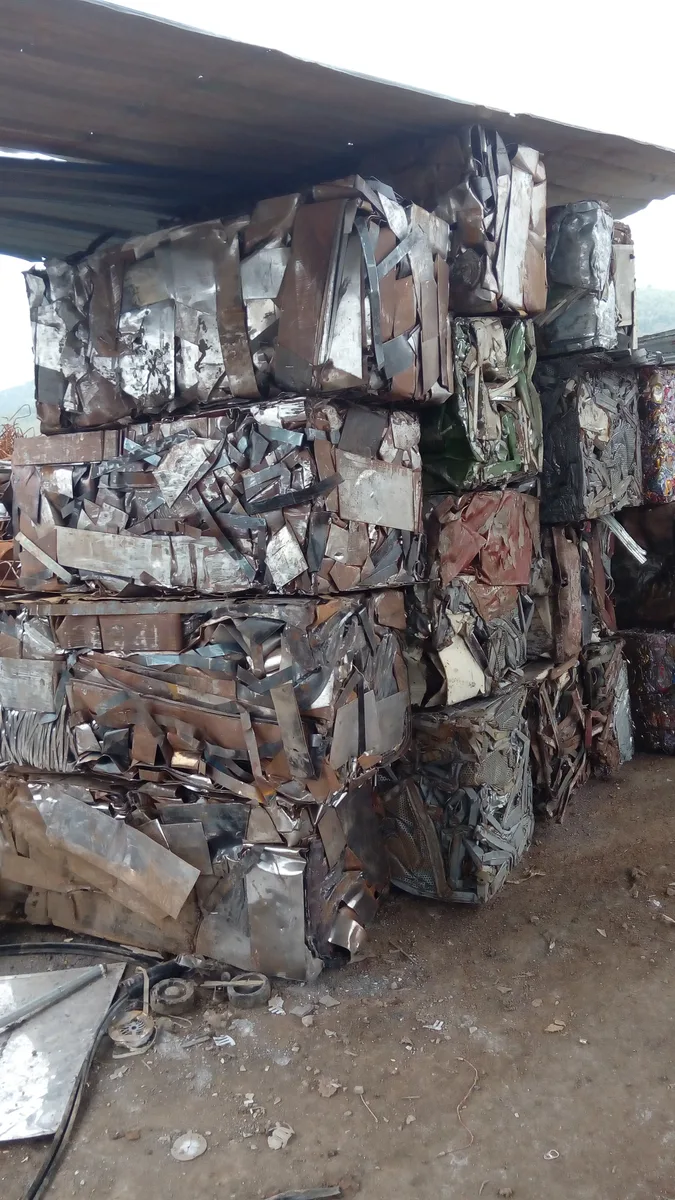
Light-Gauge Ferrous Scrap Baling
Practical sorting, preparation and equipment-selection guidance for light-gauge ferrous scrap, supported by representative material photos.
Read application guide ↗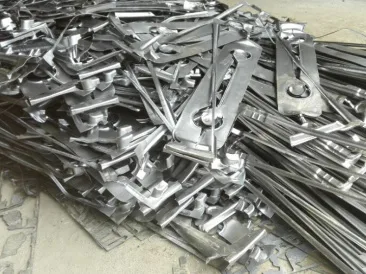
Stamping Steel Scrap Baling & Recycling
Practical sorting, preparation and equipment-selection guidance for stamping steel scrap, supported by representative material photos.
Read application guide ↗07 / QUESTIONS & SUPPORT
Product questions,
answered.
Frequently Asked Questions
Delivery scope, technical support and frequently asked questions.
Frequently asked questions
Can the baler tell one steel grade from another?
No grade-identification capability is established. Use the site’s approved identification and acceptance process before loading.
Can coated and uncoated sheet be put in one batch?
Follow the downstream buyer’s requirements and the machine’s material approval. Do not assume that both are interchangeable because they are ferrous.
How should a change from steel to aluminum be planned?
Treat it as a separate material changeover. The material-changeover guidance addresses the additional segregation questions.
Does a dense-looking bale prove material purity?
No. Appearance and compacted form cannot establish the grade, composition or absence of unwanted material.
Should each batch be weighed separately?
Use the method needed for your records and buyer agreement. The batch-weighing guidance explains how to plan a separate measurement step.
What information is needed for a quotation?
Provide grade categories, representative shapes and thicknesses, contamination details, batch sizes, loading method and the required recordkeeping and collection arrangement.
Equipment Recommendation
Tell Us About Your Material and Capacity
Share the key operating conditions below so our team can compare suitable equipment and prepare a practical configuration.