
Hydraulic compression: consolidates suitable loose metal inside a defined chamber.
Metal Balers
Y81Q Steel Scrap Compress Baler
Front-Out Hydraulic Baler for Steel Sheet Offcuts and Light Ferrous Scrap
The Y81Q Steel Scrap Compress Baler is a front-out hydraulic baler for prepared steel sheet offcuts, stamping scrap and light ferrous scrap. It compacts loose metal into manageable bales for storage and transport. Configuration depends on scrap dimensions, thickness, loading method and the required bale size.
Front-out dischargePrepared steel scrapHydraulic compressionMaterial-based selection
Suitable materials
PRODUCT VIDEO
Y81Q Steel Scrap Compress Baler video
01 / PRODUCT DESCRIPTION
Product Overview
Purpose, machine structure and its role in the recycling process.
What is the Y81Q Steel Scrap Compress Baler?
The Y81Q Steel Scrap Compress Baler is a front-out hydraulic metal baler intended for prepared steel scrap. Loose sheet offcuts and stamping remnants are loaded into the chamber, compressed into a bale and discharged through the front outlet. The resulting package is easier to stack, move and transport than the same material in a loose form.
It is suited to discussions with scrap collection yards, stamping workshops and metal recyclers that need to consolidate light ferrous scrap. A quotation should begin with the material itself: grade, thickness, largest piece size, loose density and daily quantity. These factors determine whether the proposed chamber, hydraulic configuration and discharge layout match the job.
Front-out discharge also affects the site layout. Reserve a clear receiving area in front of the machine and plan a safe route for bale removal. The three equipment photographs show front-out baler arrangements from the company image library; the final supplied configuration must be confirmed in the approved quotation.
02 / MATERIALS & OUTPUT
Applications & Materials
Suitable scrap materials, industries and operating scenarios.
Reading the material photographs
The photographs show metal strip or wire bales, mixed sheet-metal bales, tangled wire bales and loose used aluminium beverage cans. They illustrate feedstock or package forms, rather than a matched before-and-after test or a verified Y81Q output result. Visual appearance alone does not establish alloy, purity, bale density or machine capacity.
Aluminium cans and prepared wire may be considered only after reviewing the proposed configuration and feed preparation. Keep aluminium separate from steel. Wire diameter, length and tangling can require cutting and controlled loading; beverage cans must be emptied and cleared of foreign material. Confirm suitability against representative samples before ordering.
Suitable steel scrap and preparation
Sheet steel offcuts: clean, thin sheet remnants cut to fit the approved chamber.
Stamping skeletons: punched sheet and production trim, assessed for spring-back and maximum dimensions.
Light-gauge steel scrap: sorted light ferrous pieces with foreign objects removed.
Prepared steel strips: manageable lengths that can be loaded without uncontrolled bridging or entanglement.
Keep steel grades separated where the downstream buyer requires it. Remove batteries, sealed containers, hazardous residues and non-metal contamination. Heavy solid sections, oversize parts and highly tangled material need a separate engineering assessment. Fine machining chips require assessment for a briquetting process rather than assuming the same baling arrangement is suitable.
Bale weight, density and stability depend on feedstock and configuration. Confirm the receiving recycler or furnace feed requirements before agreeing the finished package.
03 / STRUCTURE & FEATURES
Equipment features.
Features & Benefits
Operational advantages and configuration benefits for buyers.
Front-out discharge and practical features
Front discharge: directs the finished bale to a planned receiving area for collection.
Material-based selection: chamber dimensions and the proposed force must match actual scrap geometry and thickness.
Recycling workflow: supports sorting, temporary storage and transport preparation without changing metal grade or removing contamination.
Typical operating sequence
Inspect and sort the scrap, prepare oversized pieces where necessary, load within the approved chamber limits, run the specified compression cycle, discharge the bale and clear the collection area. Use the supplied operating manual and trained operators; never reach into the chamber or bypass a guard or interlock. Isolate power and release stored hydraulic energy before maintenance.
05 / TECHNICAL REFERENCE
Technical Parameters
Key selection data and model-dependent specification ranges.
Y81Q configuration and quotation basis
Y81Q is the product designation supplied for this page. Compression force, chamber dimensions, bale dimensions, motor power, cycle time and throughput must be confirmed for the selected configuration. No fixed numerical rating is implied by the product title or the library photographs.
Feedstock: prepared steel sheet offcuts and light ferrous scrap, subject to review.
Discharge arrangement: front-out; confirm receiving clearance and bale handling.
Electrical supply: specify local voltage and frequency in the enquiry.
Capacity basis: evaluate loading time, compression cycle, discharge time and material consistency together.
Acceptance basis: agree the test material, bale dimensions and output measurement before ordering.
Operation & Maintenance
Practical guidance for safe operation and routine maintenance.
Selection, maintenance and project planning
Send representative material photos, sheet thickness, maximum piece dimensions, estimated hourly or daily quantity, target bale size, loading method and available floor space. Include site voltage, operating hours and the equipment used to remove bales. For a dependable capacity estimate, count loading, discharge and handling time as part of the complete production cycle.
Before each shift, follow the manual to inspect guards, hoses, fittings, lubrication points, oil level and the discharge area. Keep the machine and cooler clean, observe oil temperature and stop operation if leakage, abnormal noise or unstable movement appears. The correct oil grade, filter service interval and pressure settings must follow the supplied documentation; do not increase pressure to compensate for unsuitable scrap.
For procurement planning, use the related baler quotation and production-planning guides below. They help define the material information and acceptance criteria needed for a project-specific proposal.
06 / SOLUTIONS & CUSTOMER CASES
Plan the complete process.
RELATED NEWS
News & buying guides
Scrap Metal Baler Throughput: How to Plan Real Production
Plan baler capacity around saleable output per working hour, including loading and discharge. A nominal press cycle is only one part of the production picture.
Read details ↗Buying a Scrap Metal Baler: What to Include in Your RFQ
A useful scrap metal baler quotation starts with representative scrap, the buyer’s bale specification and a complete handling plan. Use this checklist to compare proposals on the same basis.
Read details ↗APPLICATIONS
Material preparation guides
These are related material guides. Follow each guide’s feedstock limits; a related material is not automatically approved for every machine configuration.
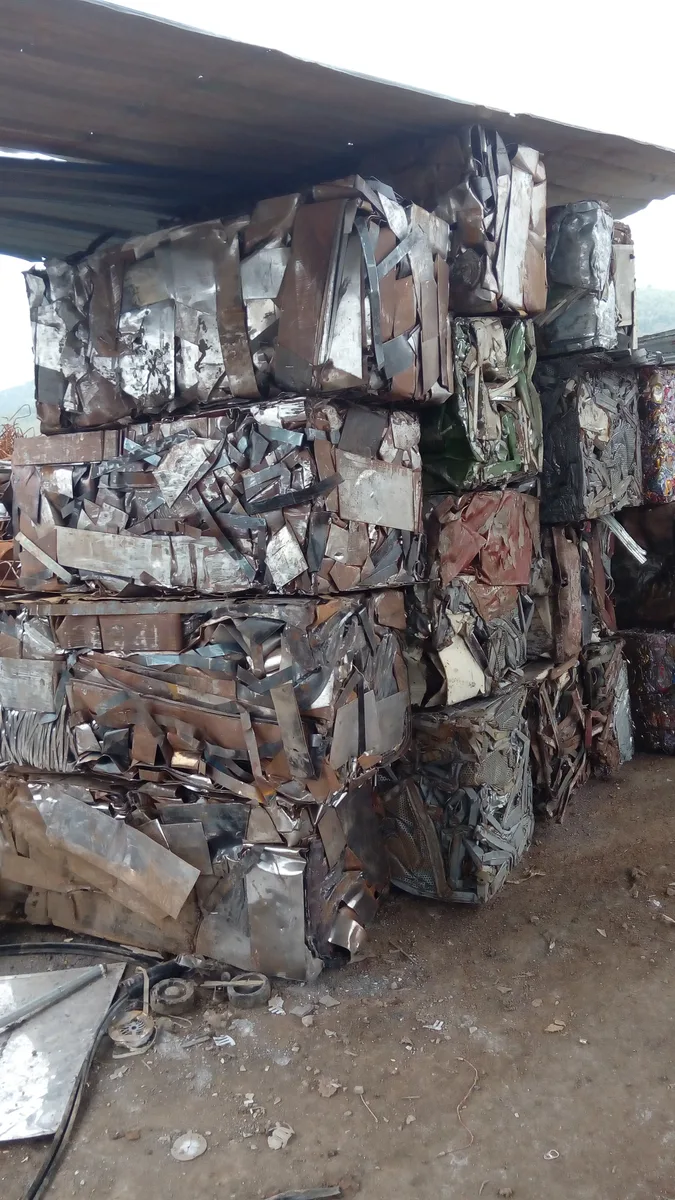
Light-Gauge Ferrous Scrap Baling
Practical sorting, preparation and equipment-selection guidance for light-gauge ferrous scrap, supported by representative material photos.
Read application guide ↗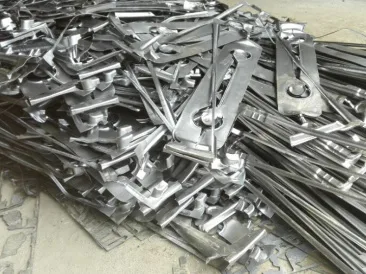
Stamping Steel Scrap Baling & Recycling
Practical sorting, preparation and equipment-selection guidance for stamping steel scrap, supported by representative material photos.
Read application guide ↗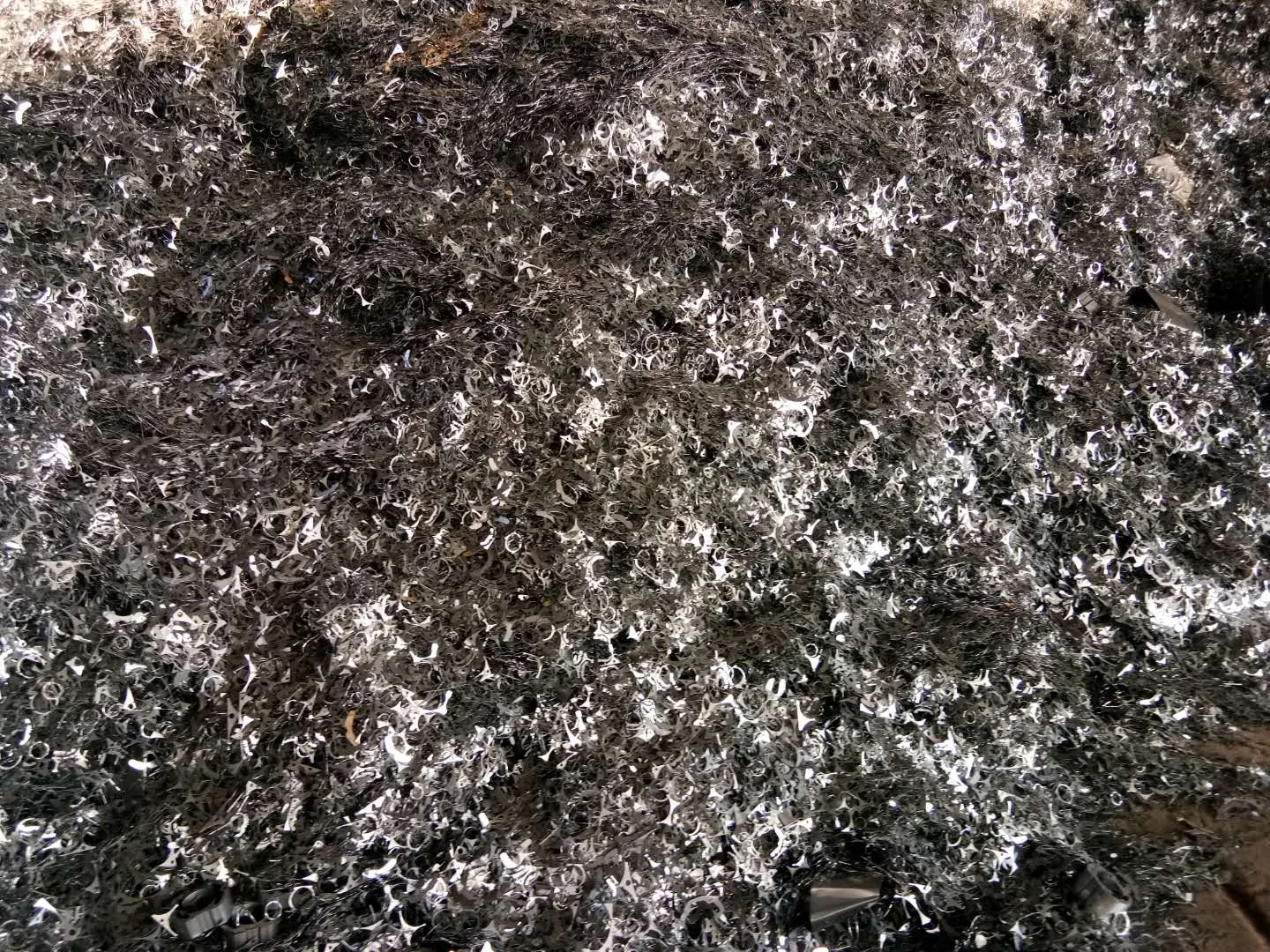
Silicon Steel Sheet Scrap Baling
Practical sorting, preparation and equipment-selection guidance for silicon steel sheet scrap, supported by representative material photos.
Read application guide ↗07 / QUESTIONS & SUPPORT
Product questions,
answered.
Y81Q Steel Scrap Baler FAQ
Delivery scope, technical support and frequently asked questions.
Can this baler process aluminium cans as well as steel scrap?
Aluminium cans are an optional material for configuration review, not a guaranteed capability inferred from a photograph. Confirm loose bulk density, contamination, feeding method and the required bale dimensions with the supplier. Keep aluminium separate from ferrous scrap and test representative material before agreeing output targets.
Are the material bale photographs actual Y81Q test results?
No matched production test has been provided for these images. They are material and package-form illustrations supplied for this page. Use an agreed test with identified scrap and the selected Y81Q configuration to verify density, bale dimensions and throughput.
What materials can the Y81Q bale?
Start with prepared steel sheet offcuts, stamping remnants and light ferrous scrap. Acceptance depends on thickness, dimensions, spring-back and contamination. Send samples or clear photos before confirming a configuration.
What does front-out discharge mean?
The completed bale leaves through the front discharge outlet. The installation must leave adequate clearance for the bale and the handling equipment, with people kept outside the discharge zone.
What is the hourly capacity?
A verified figure requires the selected configuration and representative scrap. Loading consistency, loose density, cycle time and bale removal all affect the hourly result. Request a test or an agreed calculation basis instead of relying on a generic rating.
Can it handle heavy steel or long tangled wire?
Do not assume this. Heavy solid sections, oversized pieces and tangled wire may require cutting, shearing or a different baler. Review the largest and most difficult pieces before selecting equipment.
Can steel chips be processed in the same way?
Fine machining chips behave differently from sheet scrap. Chip size, moisture and oil content must be reviewed for a suitable briquetting or preprocessing route.
What bale size and density will I get?
Bale dimensions are configuration-specific, while weight and density also depend on scrap grade, form and loading. Agree these targets and the test feedstock in the technical specification.
What maintenance should operators plan?
Follow the manual for hydraulic oil, filters, lubrication, hose inspection and cooling-system cleaning. Isolate the machine and release stored energy before service. Pressure adjustment and fault diagnosis require qualified personnel.
What information is needed for a quotation?
Provide material photos, thickness, maximum dimensions, daily tonnage, target bale size, feeding method, voltage, shift pattern and a site layout. These details let the supplier assess force, chamber size and front-discharge clearance.
Equipment Recommendation
Tell Us About Your Material and Capacity
Share the key operating conditions below so our team can compare suitable equipment and prepare a practical configuration.
✓ Material & Capacity Review✓ Configuration Recommendation✓ Pricing & Lead-Time Inquiry