
Metal Balers
Front-Out Y81Q Steel Baler for Centralized Press Shop Scrap Handling
Coordinate a shared baling station without assuming a direct press-line connection
Plan a central front-out steel baling station with collection routes, approved feed queues, operator responsibility and press-shop acceptance checks.
PRODUCT VIDEO
Front-Out Y81Q Steel Baler for Centralized Press Shop Scrap Handling video
01 / PRODUCT DESCRIPTION
Product Overview
Purpose, machine structure and its role in the recycling process.
Make the shared station fit the press shop
A centralized scrap station receives material from several production points and returns finished bales to a common collection route. The Front-Out Y81Q Steel Baler for Centralized Press Shop Scrap Handling is a selection enquiry for that arrangement. Its purpose is to help assess how approved light steel scrap reaches the baler, how competing arrivals are managed and how forward discharge fits the plant layout.
Centralization does not establish an automatic connection to the presses. The supplied series information does not confirm conveyors, synchronized controls or unattended operation. Treat any such interface as a separate engineered scope. For a manually coordinated station, the first design document should be a practical material-flow plan that includes people, containers and collection equipment.
02 / MATERIALS & OUTPUT
Prepared Materials
Suitable scrap materials, industries and operating scenarios.
Describe every stream reaching the central point
Identify the approved material coming from each press or work area. Note grade, thickness, geometry, residual process fluids and the form in which it arrives. A central collection point can conceal differences if all containers use the same generic steel-scrap label. Keep unfamiliar or rejected material outside the accepted queue.
Ask the supplier to review long strips, connected skeletons and formed pieces separately. The chosen machine must be suitable for the actual incoming forms after any required preparation. The mixed-gauge steel offcut guidance helps frame thickness variation, but no general title establishes that all press-shop scrap can be loaded together.
Exclude hot scrap, sealed or pressurized items, heavy components outside the approved limits and material with unknown contamination. Provide clear instructions for removing foreign objects before acceptance. The station is not a substitute for upstream sorting or for the site’s established handling and environmental procedures.
03 / STRUCTURE & FEATURES
Equipment features.
Features and Selection Benefits
Operational advantages and configuration benefits for buyers.
Choose an arrangement that exposes bottlenecks
A shared station can make responsibilities and inspection points easier to define when its operating rules are followed. One accepted-feed area gives the operator a consistent place to review incoming containers. A separate finished-bale area can reduce uncertainty about which material is ready for collection. These are layout opportunities, not guaranteed productivity improvements.
Forward discharge establishes the direction in which the selected machine presents the bale. Reserve that receiving area and the approved pickup approach before deciding where incoming containers wait. The loading and collection layout guidance provides related planning questions. A clear footprint alone is insufficient if a collection vehicle must cross the loading operator’s position.
Assign responsibility for the next accepted batch and for confirming that collection is complete. Discuss visibility, communication and the actual control package with the supplier. Do not infer interlocks, automatic queue management or traffic protection from a PLC option. Required safeguards and documented procedures must match the final installation.
Consider how the station operates when a press produces a temporary surplus or a container is rejected. A planned holding area and an agreed response can prevent unsuitable material from being pushed into the queue merely to clear floor space. Assess storage limits through the plant’s own safety and operations review.
04 / WORKING PRINCIPLE
Operation and Maintenance
Practical guidance for safe operation and routine maintenance.
Measure the whole collection cycle during acceptance
Present the supplier with arrival patterns, container types and a layout showing maintenance access as well as routine movements. Use representative approved scrap from the relevant production streams. Ask for a machine-specific drawing and confirmation of the loading and receiving arrangements rather than scaling the installation from a series photograph.
A useful acceptance exercise follows a batch from its collection point to its final bale position. Record preparation, loading, machine operation and collection separately so delays are not attributed to the wrong step. Do not derive guaranteed tonnes per hour from a general cycle-time range or a bale-weight estimate.
Train the people who deliver containers as well as the baler operators. Maintain housekeeping around the receiving zone and follow prescribed checks for hydraulic components, wear areas and controls. Stop and isolate the machine before access for cleaning, jam clearing or maintenance. Review the queue arrangement again if the plant introduces a new material stream.
05 / TECHNICAL REFERENCE
Six Series References and Options
Key selection data and model-dependent specification ranges.
Review the proposed machine specification
The six attributes below are drawn from the user-supplied HBQ front-out series information. They are reference values or options for reviewing a proposed Y81Q installation, not a verified specification for one Y81Q model. Confirm each attribute, the approved material envelope and the selected configuration in the written quotation. Do not combine endpoints from different series ranges into a new machine specification.
Front-Out Baler Reference Video is the designated equipment and process reference. It is not evidence that the material on this page was tested, or that a particular capacity, bale weight or configuration has been achieved.
| Attribute | Series reference / option |
|---|---|
| Wear-plate alternatives | NM450 or Hardox450; specify selected material |
| Wear-plate arrangement | Interchangeable wear steel plate |
| Listed feed-system option | Mobile bin; confirm applicable configuration |
| Material application reference | Light metal scrap / nonferrous metal; actual feed approval required |
| Working pressure reference | 21.5 MPa; confirm selected model |
| Series steel-plate thickness | 12–30 mm; configuration dependent |
The related Germany front-discharge project is a layout and collection reference, not a Y81Q trial of this page’s material or proof of its configuration.
06 / SOLUTIONS & CUSTOMER CASES
Plan the complete process.
RELATED NEWS
News & buying guides
CUSTOMER CASES
Related project references
Each reference identifies its own equipment and project scope; it is not a test record for every material on this product page.

APPLICATIONS
Material preparation guides
These are related material guides. Follow each guide’s feedstock limits; a related material is not automatically approved for every machine configuration.
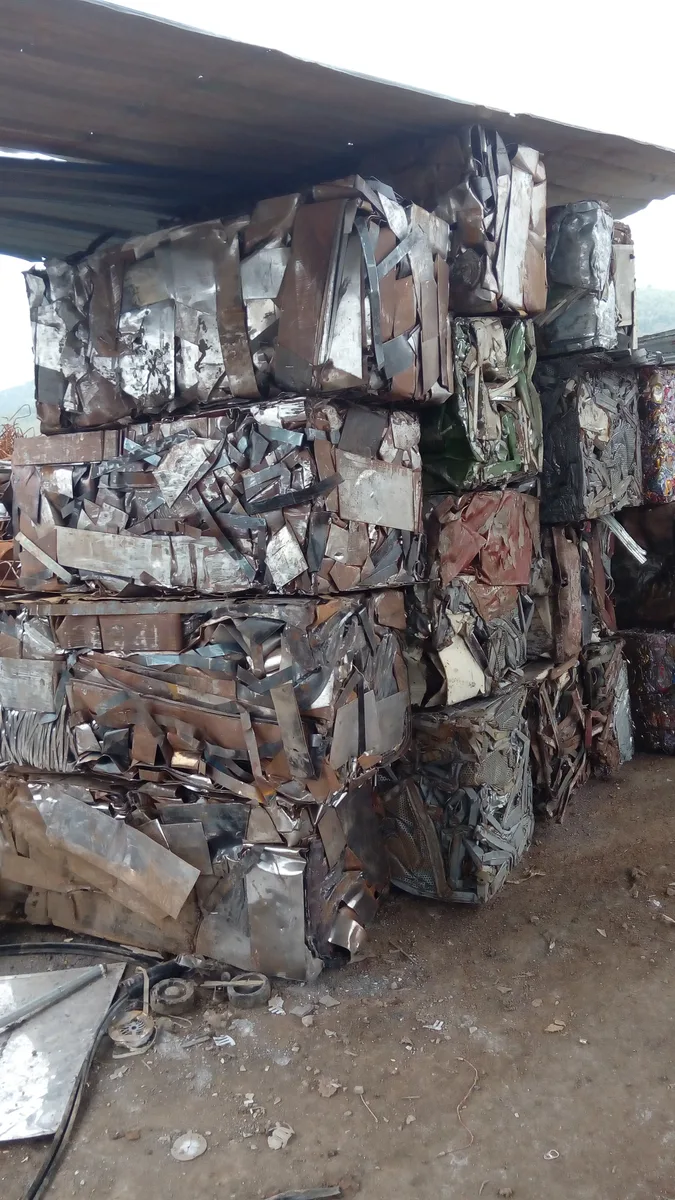
Light-Gauge Ferrous Scrap Baling
Practical sorting, preparation and equipment-selection guidance for light-gauge ferrous scrap, supported by representative material photos.
Read application guide ↗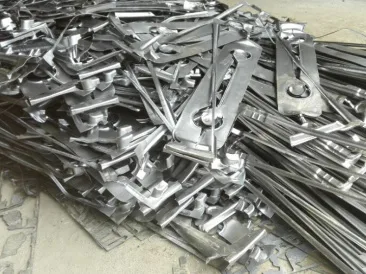
Stamping Steel Scrap Baling & Recycling
Practical sorting, preparation and equipment-selection guidance for stamping steel scrap, supported by representative material photos.
Read application guide ↗07 / QUESTIONS & SUPPORT
Product questions,
answered.
Frequently Asked Questions
Delivery scope, technical support and frequently asked questions.
Frequently asked questions
Does centralized handling mean the baler connects directly to each press?
No. This page covers a shared station. Direct conveyors, controls and synchronized operation would require a separate confirmed engineering scope.
Can scrap from different presses be mixed?
Only within the approved material and recycler requirements. Keep incompatible grades, finishes or uncertain streams separate and identifiable.
Where should finished bales wait?
Use the agreed receiving and storage area beyond the machine’s working zone. Review the forward-end forklift pickup guidance for the collection interface.
How is a suitable capacity selected?
Supply realistic arrival patterns and representative material. Evaluate the full handling process rather than calculating output from unrelated series figures.
What happens when the queue is full?
Define a plant procedure for holding or redirecting accepted containers. Do not obstruct discharge, maintenance access or emergency routes.
What should be reviewed before moving the station indoors?
Check floor, access, ventilation and services for the proposed installation. The indoor installation guidance outlines the questions to confirm with the supplier.
Equipment Recommendation
Tell Us About Your Material and Capacity
Share the key operating conditions below so our team can compare suitable equipment and prepare a practical configuration.