
Metal Balers
Side-Push Metal Baler for Scrap Yards
Scrap Yard Baling: From Incoming Lot to Identified Bale
The HBT side-push family can support suitable prepared metal-scrap baling in a scrap yard. Review variable supplier loads, sorting and lot identification before agreeing the machine, loading method and buyer requirements.
PRODUCT VIDEO
Side-Push Metal Baler for Scrap Yards video
01 / PRODUCT DESCRIPTION
Scrap Yard Baling: From Incoming Lot to Identified Bale
Application selection for the existing HBT side-push family.
Scrap Yard Baling: From Incoming Lot to Identified Bale
The HBT side-push family can support suitable prepared metal-scrap baling in a scrap yard. Review variable supplier loads, sorting and lot identification before agreeing the machine, loading method and buyer requirements.
A Side-Push Metal Baler for Scrap Yards must be considered alongside the yard's receiving and segregation practices. The HBT horizontal hydraulic arrangement compacts a suitable prepared charge and pushes the finished bale sideways. The changing condition of supplier loads is a central selection issue, even when the intended output is described simply as a metal bale.
A load delivered by a regular fabrication customer can differ from a mixed collection with uncertain attachments or concealed contents. The baler does not identify those differences for the yard. Inspection, acceptance and preparation need their own process before material reaches the loading area. This page focuses on that supplier-to-bale chain rather than a new model or a guaranteed commercial return.
For the basic machine arrangement, see the HBT side push-out overview. The yard application adds questions about incoming lots, rejected material, storage and dispatch that cannot be answered by pressing force or a picture of a compact package alone.
02 / MATERIALS & OUTPUT
Define the Prepared Material Streams
Keep material identification and preparation separate from compaction.
Define the scrap grades the yard intends to accept for baling and the information requested with each load. Record the source, visible material forms, maximum pieces and contamination that may affect preparation. A supplier description should guide inspection, not replace it. Unknown or suspect items need a hold point outside the accepted charging stream.
- Separate ferrous, aluminum, copper and other grades to match buyer requirements.
- Review attachments, coatings, liquids and mixed nonmetallic material.
- Keep batteries, sealed containers and pressurized or hazardous items out of ordinary feed.
- Identify oversized sections, long wire and dense cast pieces for separate assessment.
- Retain lot identity where the sale or receiving specification requires traceability.
The four material images are separate library references, not proof that an unsorted delivery is ready to bale. Photographs of finished packages, if shown, do not establish results from this machine. The approved feed is the material remaining after the yard's inspection and preparation, not everything that can arrive at its gate.
The four material photographs show loose light ferrous sheet and formed offcuts, aluminum sheet pieces, aluminum profile offcuts, and loose stainless utensils or formed scrap. These are separate material streams, each subject to its own preparation and configuration review, not an instruction to bale them together.
04 / WORKING PRINCIPLE
Plan the Handling Workflow
Define people, equipment and the side-discharge interface.
Separate delivery inspection, sorting, accepted-feed storage and the machine operating area in the site plan. Define where rejected items go so that they cannot be inadvertently returned to the charge. Consider the path of vehicles and handling equipment when arranging the baler's loading side and lateral discharge route. People should not need to cross an active receiving zone to reach an ordinary workstation.
Use the approved feeding arrangement and keep the charge within the selected machine's loading envelope. Never ask an operator to force protruding material into a moving closure. Full-automatic or semi-automatic control options still require defined supervision and safe material handling. Follow the supplied procedures for stopping, isolation and obstruction removal.
After discharge, identify the bale before it joins sale stock. Connect it with the accepted material lot or grade and the relevant buyer requirements. Use suitable collection equipment, not hands, to guide or support a moving package. Keep routine checks of guards, stops, hydraulic hoses and leakage in the maintenance plan, using the intervals and instructions supplied for the selected machine.
05 / TECHNICAL REFERENCE
Selected HBT Technical Attributes
Five supported reference attributes, not a fabricated model rating.
These attributes describe the HBT side-push equipment family. Options and site-specific arrangements must be confirmed in the selected technical configuration.
| Technical attribute | HBT reference |
|---|---|
| Machine layout | Horizontal |
| Model series | HBT |
| Bale discharge | Side push-out |
| Drive type | Hydraulic |
| Motor voltage | Configured for the installation electrical supply |
Force, chamber dimensions, bale weight and production rate are not inferred from a material title. Confirm those values against representative feedstock and the agreed machine configuration.
Operating options: full-automatic or semi-automatic, as confirmed by Dershan. The technical proposal defines the controlled actions and operator responsibilities. The option name does not establish automatic feeding, automatic sorting, unattended operation or a guaranteed production rate.
Configuration and Acceptance Review
Specify representative feed and the conditions to be checked.
Prepare the quotation around a realistic picture of yard receipts. List regular grades, irregular deliveries and the preparation needed to turn each accepted load into feed. Include maximum piece dimensions, representative photographs, typical daily variation and existing handling equipment. Describe any intention to change streams through the day rather than presenting an unrealistic single uniform feed.
Ask the receiving buyer about package dimensions, grade separation, contamination and unloading. Compression cannot turn a rejected grade into an accepted one, and this page makes no price, freight-saving or remelting-yield guarantee. Bale characteristics and production rate must be agreed for the actual material and selected configuration.
A useful acceptance review follows an intended lot from the approved-feed area through loading, compression, side discharge and collection. It should record preparation and handling conditions, not only the final appearance. Use the steel scrap and aluminum scrap guides for narrower material questions. Send the yard layout, grade list, site supply and dispatch requirements through the Dershan contact page for configuration review.
06 / SOLUTIONS & CUSTOMER CASES
Plan the complete process.
RELATED NEWS
News & buying guides
Buying a Scrap Metal Baler: What to Include in Your RFQ
A useful scrap metal baler quotation starts with representative scrap, the buyer’s bale specification and a complete handling plan. Use this checklist to compare proposals on the same basis.
Read details ↗Scrap Metal Baler Throughput: How to Plan Real Production
Plan baler capacity around saleable output per working hour, including loading and discharge. A nominal press cycle is only one part of the production picture.
Read details ↗CUSTOMER CASES
Related project references
Each reference identifies its own equipment and project scope; it is not a test record for every material on this product page.

APPLICATIONS
Material preparation guides
These are related material guides. Follow each guide’s feedstock limits; a related material is not automatically approved for every machine configuration.
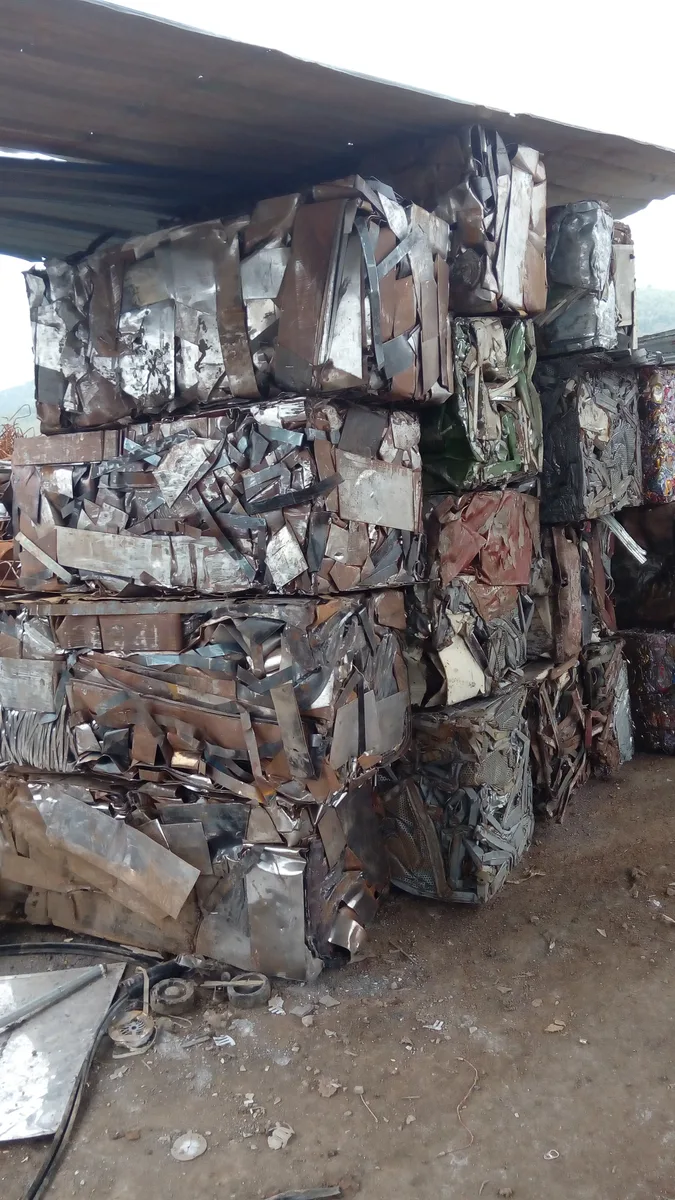
Light-Gauge Ferrous Scrap Baling
Practical sorting, preparation and equipment-selection guidance for light-gauge ferrous scrap, supported by representative material photos.
Read application guide ↗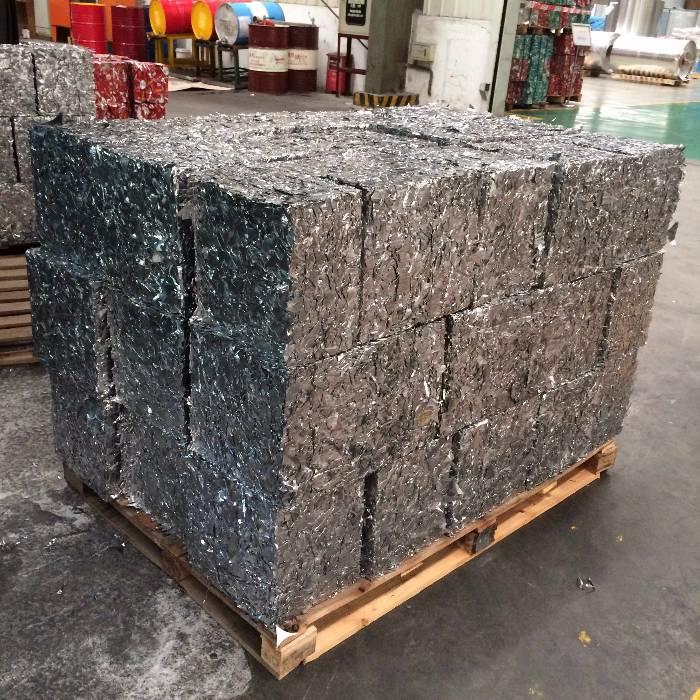
Mixed Aluminum Scrap Baling & Recycling
Sort and bale mixed aluminum scrap, cast pieces, profiles and shredded material for compact storage, traceable handling and recycling.
Read application guide ↗07 / QUESTIONS & SUPPORT
Product questions,
answered.
Side-Push Metal Baler for Scrap Yards FAQ
Practical answers for this application.
Can all scrap received by a yard be put into this baler?
No. Accept and prepare only material within the agreed machine and handling scope. Heavy sections, unknown contents and hazardous articles do not become suitable because the product is intended for a scrap yard.
Does a familiar supplier remove the need for load inspection?
No. Keep the yard's acceptance process in place and record relevant changes in material or contamination. Supplier history is not proof that every item in a new load is acceptable.
Where should rejected material be kept?
Use a defined area and procedure that prevent rejected or unresolved items from returning to the accepted charging stream. The exact arrangement belongs in the site's material-handling plan.
Why retain grade or lot identity after baling?
The receiving buyer may require particular metals, sources or contamination limits. A compact package should remain traceable to the accepted material rather than becoming an anonymous mixed bale.
Does side-push baling guarantee a better scrap price?
No commercial return is guaranteed here. Buyer acceptance, grade, contamination, logistics and market conditions remain separate from the mechanical act of compressing the material.
What makes a scrap-yard enquiry useful?
Include regular and variable grades, maximum piece dimensions, preparation methods, contamination, daily receipts, handling equipment, site layout, electrical supply and the buyer's bale and dispatch requirements.
Equipment Recommendation
Tell Us About Your Material and Capacity
Share the key operating conditions below so our team can compare suitable equipment and prepare a practical configuration.