
Metal Balers
Side-Push Steel Scrap Baler
HBT side-push equipment selection for steel scrap
An HBT side-push steel scrap baler compresses prepared steel sheet and fabrication offcuts into rectangular bales, then pushes the bale sideways for collection. Select the machine around actual scrap dimensions, section thickness, feeding method and the required discharge space.
PRODUCT VIDEO
Side-Push Steel Scrap Baler video
01 / PRODUCT DESCRIPTION
Steel Offcut Baling Overview
A material-specific guide for fabrication and recycling operations.
Side-Push Steel Scrap Baler: Material Preparation and HBT Selection
Material-specific preparation, handling and configuration guidance for the HBT side-push machine family.
A Side-Push Steel Scrap Baler is a hydraulic machine for reducing the handling volume of suitable prepared steel scrap. The HBT arrangement forms a rectangular bale inside a horizontal chamber and moves it out through a side discharge route. This page focuses on sheet offcuts and fabrication scrap, rather than presenting every type of steel as interchangeable feed.
Loose steel offcuts can occupy bins inefficiently because their shape leaves open spaces between pieces. Controlled baling can make collection and transport more manageable, provided the resulting bale suits the buyer's handling equipment and acceptance requirements. A visually compact bale is not evidence of a particular density or a guaranteed reduction in transport cost. Those outcomes depend on the incoming mix and the selected configuration.
Use this material guide together with the HBT side push-out machine overview. The same series can be considered for different prepared materials, but the chamber dimensions, section limits and loading plan need a separate review for each application. Selecting a larger machine solely because an offcut is steel is not a substitute for checking its thickness and geometry.
02 / MATERIALS & OUTPUT
Prepare Steel Scrap Before Loading
Separate grades and remove unsafe or unsuitable feed.
Start by identifying what the scrap actually contains. Light sheet skeletons, cropped strips and small fabrication offcuts may have very different loading behavior. Long strips can bridge the chamber or protrude across a closing surface. Dense, thick pieces can concentrate load and should not be treated as equivalent to light sheet. Oversize pieces may require preparation before they are accepted for baling.
- Separate carbon-steel grades where the downstream buyer requires traceable lots.
- Measure the largest pieces, including length, width and maximum section thickness.
- Remove packaging, wood, nonmetal contamination and loose items that do not belong in the batch.
- Exclude sealed vessels, batteries, pressurized components and other hazardous articles.
- Review oily, wet, coated or unusual scrap with the processing and receiving teams before loading.
Do not use the baler as a sorting device or assume that compression makes contaminated material acceptable. Keep incoming stock, rejected pieces and finished bales in clearly separated areas. If the feed changes from thin stamping scrap to heavy structural cuttings, stop and reassess suitability rather than retaining the old loading recipe.
04 / WORKING PRINCIPLE
Compression and Side-Push Discharge
Plan loading, compaction, ejection and collection as one process.
The operating sequence begins with a controlled load of approved scrap. Material must fit the designated charging envelope and remain clear of closing surfaces. Hydraulic compression then forms the bale according to the approved machine sequence. Once the compression and discharge conditions are satisfied, the bale is pushed sideways into the planned receiving area.
The discharge route is an important distinction from a side turn-out machine. A push-out arrangement needs a clear lateral path and suitable support for the exiting bale. The equipment layout should account for the collection method, operator location and vehicle movements. Do not assume that a side-push design eliminates the need for space around the machine.
Keep people outside the loading and discharge zones while the machine is operating. Inspection, cleaning and blockage removal must follow the approved isolation procedure; operators should never reach into the chamber to rearrange scrap during a cycle. Routine checks should cover guards, stops, hoses, fasteners, leakage and the condition of the receiving area.
05 / TECHNICAL REFERENCE
Selected HBT Technical Attributes
Five selected attributes from the supplied HBT reference.
These attributes describe the HBT side-push equipment family. Options and site-specific arrangements must be confirmed in the selected technical configuration.
| Technical attribute | HBT reference |
|---|---|
| Motor voltage | Configured for the installation electrical supply |
| Model series | HBT |
| Control options | PLC automatic or manual, as specified |
| Remote control | Optional; confirm in the selected configuration |
| Bale discharge | Side push-out |
Force, chamber dimensions, bale weight and production rate are not inferred from a material title. Confirm those values against representative feedstock and the agreed machine configuration.
Choose a Baler for Your Steel Workflow
Use representative scrap information rather than a title alone.
A useful enquiry includes photographs of a representative scrap batch, not just the cleanest pieces. Provide the maximum dimensions, approximate loose bulk condition, variation between shifts and the intended loading method. Also describe the receiving buyer's bale requirements and whether the output will be lifted, conveyed or collected by another machine.
Electrical supply, working hours and available space affect the configuration review. Required production should be discussed as a complete workflow including sorting, loading and bale collection, not merely a compression cycle. The selected attributes above describe available HBT features; numerical performance and optional equipment must be confirmed in the technical proposal for the actual material.
For a separate nonferrous stream, see the aluminum scrap guide instead of treating steel and aluminum as one unsorted feed. Send the material information through Dershan's contact page to request an application review. The review should establish what can be processed, what needs preparation and which requirements need a trial.
06 / SOLUTIONS & CUSTOMER CASES
Plan the complete process.
RELATED NEWS
News & buying guides
Buying a Scrap Metal Baler: What to Include in Your RFQ
A useful scrap metal baler quotation starts with representative scrap, the buyer’s bale specification and a complete handling plan. Use this checklist to compare proposals on the same basis.
Read details ↗Scrap Metal Baler Throughput: How to Plan Real Production
Plan baler capacity around saleable output per working hour, including loading and discharge. A nominal press cycle is only one part of the production picture.
Read details ↗CUSTOMER CASES
Related project references
Each reference identifies its own equipment and project scope; it is not a test record for every material on this product page.

APPLICATIONS
Material preparation guides
These are related material guides. Follow each guide’s feedstock limits; a related material is not automatically approved for every machine configuration.
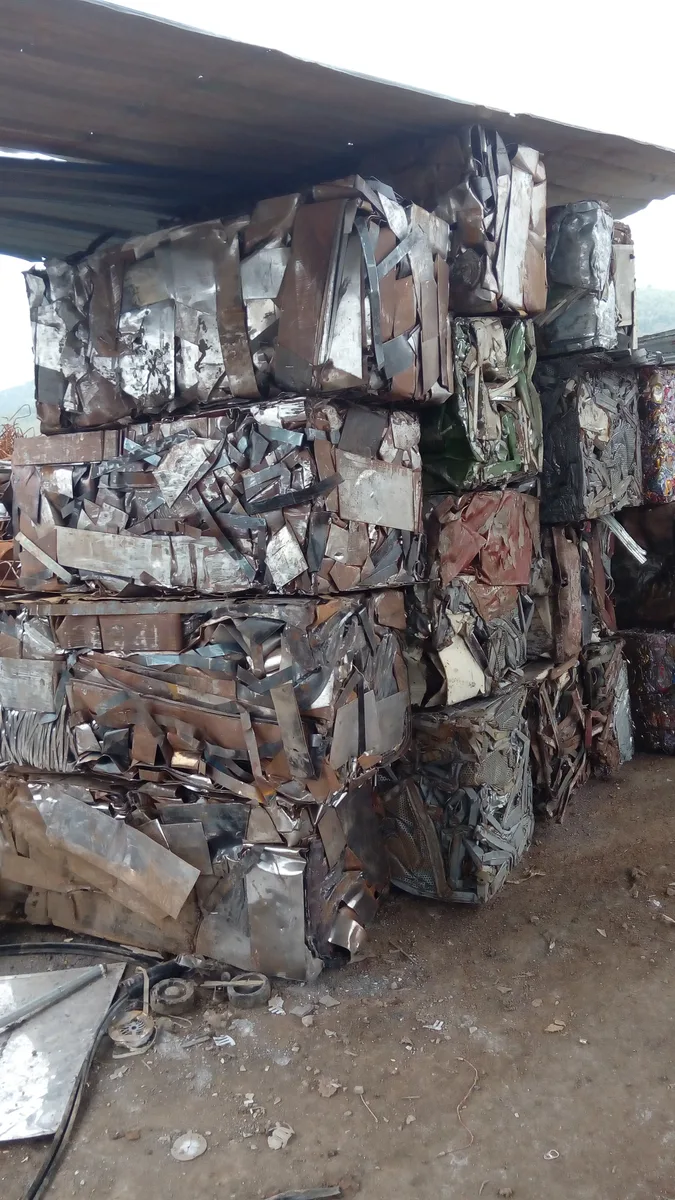
Light-Gauge Ferrous Scrap Baling
Practical sorting, preparation and equipment-selection guidance for light-gauge ferrous scrap, supported by representative material photos.
Read application guide ↗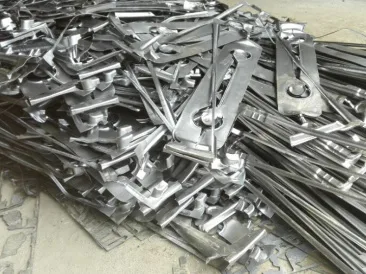
Stamping Steel Scrap Baling & Recycling
Practical sorting, preparation and equipment-selection guidance for stamping steel scrap, supported by representative material photos.
Read application guide ↗07 / QUESTIONS & SUPPORT
Product questions,
answered.
Steel Scrap Baler FAQ
Practical questions about steel offcuts and side discharge.
Can this machine bale every type of steel scrap?
No. Suitability depends on thickness, dimensions, shape and the selected machine. Light sheet offcuts should not be equated with heavy beams, solid blocks or hardened components.
Do long steel strips need preparation?
They may. Strips must fit the approved charging envelope without bridging, projecting across closures or creating unsafe handling. Send their dimensions and photographs for review.
Does side-push mean side turn-out?
No. Side-push moves the finished bale laterally through a discharge route. A turn-out machine uses a different discharge arrangement, so equipment images and layout plans must match the chosen type.
What determines the weight of a steel bale?
The scrap mix, chamber and bale dimensions, loading consistency and compression configuration all influence weight. A fixed weight should not be promised from the material name alone.
Can stainless steel be mixed into the same steel batch?
Keep grades separate where recovery value or the buyer's specification requires it. See the stainless-steel baling guide for alloy-specific preparation considerations.
What information is needed before quotation?
Provide scrap photographs, maximum dimensions and thickness, loading method, required output, target bale acceptance conditions, electrical supply and a site layout showing the side discharge area.
Equipment Recommendation
Tell Us About Your Material and Capacity
Share the key operating conditions below so our team can compare suitable equipment and prepare a practical configuration.